Contents
Watching your beloved dog struggle with movement can be incredibly distressing. Whether it’s a slight limp, difficulty getting up, or a reluctance to play, signs of hip pain in dogs can signal underlying joint issues. As pet owners, providing comfort and improving our dog’s quality of life is paramount. Fortunately, there’s a wide range of hip and joint pain relief for dogs available, from proactive management to advanced veterinary interventions. Understanding these options is the first step toward helping your canine companion regain their zest for life.
Recognizing the Signs of Joint Discomfort
Before exploring solutions, it’s vital to recognize when your dog is experiencing joint pain. Dogs are masters at hiding discomfort, a survival instinct that can make early detection challenging. However, subtle changes in behavior or movement can indicate underlying issues, such as developing canine hip dysplasia or arthritis.
Keep an eye out for these common indicators:
- Reluctance to jump, climb stairs, or play
- Difficulty getting up from a resting position
- Lameness or limping, especially after exercise
- Stiffness or soreness, particularly in the morning or cold weather
- Decreased activity levels or enthusiasm for walks
- Licking, biting, or chewing at affected joints
- Changes in temperament, such as irritability or withdrawal
- Muscle atrophy in the affected limb
Learning about common pet injuries can help you identify these subtle shifts more effectively. Prompt recognition allows for earlier intervention, which can significantly impact the long-term effectiveness of any hip and joint pain relief for dogs.
Understanding the Causes of Hip and Joint Pain
Several factors can contribute to joint pain in dogs. Some are genetic, others are age-related, and some can be due to injury or lifestyle. Understanding the root cause helps in choosing the most effective hip and joint pain relief for dogs and developing a comprehensive care plan.
Common Causes Include:
- Osteoarthritis (Degenerative Joint Disease): This is the most common cause, especially in older dogs. It involves the progressive breakdown of cartilage within the joint, leading to bone-on-bone friction, inflammation, and pain.
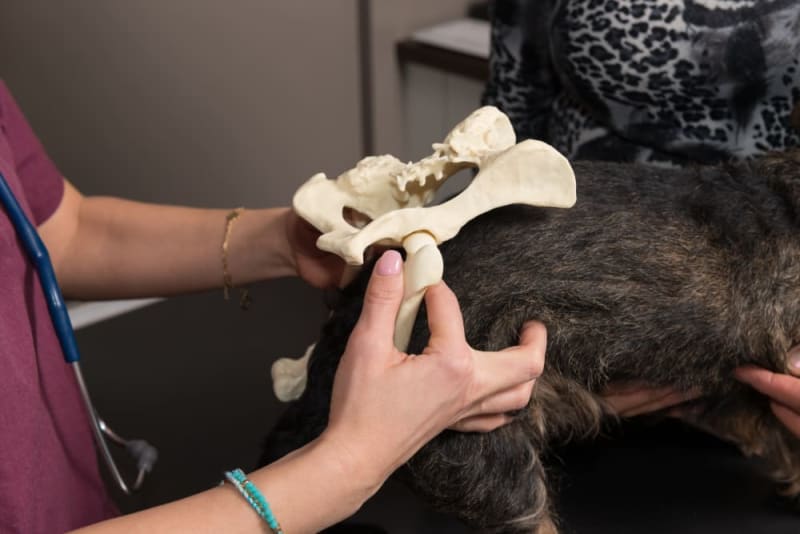
- Canine Hip Dysplasia: A genetic condition where the hip joint doesn’t form correctly, leading to looseness, instability, and eventually arthritis. While often associated with large breeds, it can affect dogs of any size.
- Elbow Dysplasia: Similar to hip dysplasia, but affecting the elbow joint. Early signs of elbow dysplasia in dogs are crucial for early management.
- Trauma or Injury: Accidents, falls, or sprains can lead to acute joint pain and potentially chronic issues if not treated properly.
- Ligament Damage: Cruciate ligament tears in the knee are very common and can cause significant instability and pain.
- Luxating Patella: A condition where the kneecap slips out of place, commonly seen in smaller breeds.
- Obesity: Excessive weight puts undue stress on joints, exacerbating existing conditions and increasing the risk of new ones.
Lifestyle and Preventative Approaches
Before diving into medical interventions, consider the foundational role of lifestyle management in providing mobility support for dogs. These strategies can often prevent or delay the onset of severe joint issues and enhance the effectiveness of other treatments.
Key Preventative Measures and Lifestyle Adjustments:
- Weight Management: Maintaining an ideal body weight is perhaps the single most impactful factor in hip and joint pain relief for dogs. Even a few extra pounds can significantly increase joint stress and inflammation.
- Controlled Exercise: Regular, low-impact exercise, such as swimming or short walks on soft surfaces, helps strengthen muscles around the joints without causing excessive wear and tear. Avoid high-impact activities, especially for dogs predisposed to joint issues.
- Nutritional Support: High-quality dog food provides essential nutrients. For dogs with or at risk of joint problems, certain dietary ingredients can be beneficial.
- Comfortable Environment: Provide orthopedic beds to cushion joints and prevent pressure sores. Ramps or pet stairs can help dogs avoid painful jumps and climbs.
- Warmth: Keep your dog warm, particularly in colder weather, as cold can exacerbate joint stiffness and discomfort.
Medical and Veterinary-Guided Pain Relief Options
When lifestyle changes aren’t enough, or for more severe conditions, your veterinarian will likely recommend specific medical interventions. These strategies aim to reduce pain and inflammation, slow disease progression, and improve your dog’s mobility support for dogs.
1. Anti-Inflammatory and Pain Medications
Your veterinarian may prescribe anti-inflammatory medications. These medications work by reducing inflammation and pain in the joints. It’s critical to use these exactly as prescribed and never to administer human medications, as they can be toxic to dogs.
2. Joint Supplements
Many pet owners turn to joint supplements as part of their hip and joint pain relief for dogs strategy. These often contain ingredients like glucosamine, chondroitin, and omega-3 fatty acids, which are believed to support cartilage health and reduce inflammation. While not a cure, they can sometimes improve comfort and mobility support for dogs.
3. Physical Therapy and Rehabilitation
Just like in humans, physical therapy can be incredibly beneficial for dogs with joint issues. A certified canine rehabilitation therapist can design a program that includes:
- Hydrotherapy: Underwater treadmill exercises reduce weight-bearing stress while strengthening muscles.
- Therapeutic Exercises: Specific movements to improve range of motion, strength, and balance.
- Massage and Manual Therapy: To relieve muscle tension and improve circulation.
- Laser Therapy and Acupuncture: Non-invasive treatments that can reduce pain and inflammation.
4. Surgical Interventions
For severe cases, such as advanced canine hip dysplasia or significant ligament damage, surgery may be the most effective option. Procedures can range from corrective surgeries to total joint replacements (e.g., hip replacement), offering a dramatic improvement in pain and function. While significant, these surgeries can provide long-term solutions for hip pain in dogs that don’t respond to other treatments. For serious injuries, understanding when to take a dog to the emergency vet is crucial.
The Importance of Veterinary Consultation
Navigating the various options for hip and joint pain relief for dogs can be overwhelming. It is essential to work closely with your veterinarian to develop a tailored treatment plan for your dog. A thorough examination, possibly including X-rays or other diagnostics, will help pinpoint the exact cause and severity of the joint pain. Never self-diagnose or administer treatments without professional guidance.
Your veterinarian can guide you through the process, discuss the pros and cons of each treatment, and help you make informed decisions that are best for your dog’s health and well-being. They can also advise on how to care and treat dogs with arthritis in back legs or address other specific issues more broadly.
A Holistic Approach to Long-Term Well-being
Ultimately, providing effective hip and joint pain relief for dogs often involves a multi-modal approach, combining several of the strategies discussed. Early detection, consistent management, and ongoing veterinary care are key to improving your dog’s comfort and maintaining their mobility support for dogs throughout their life.
Remember, your dedication to their well-being ensures they can continue to enjoy walks, playtime, and cuddle sessions for years to come. Recognizing the signs, understanding the underlying causes, and exploring all available treatment options are vital responsibilities of a loving pet owner. Taking proactive steps can greatly enhance your pet’s quality of life, allowing them to remain active and happy.
At North MS Pet Emergency, we understand that prompt and effective care for hip and joint pain in dogs can significantly improve their quality of life. Our team is equipped to provide the urgent care and advanced diagnostic services needed to address acute joint issues. Contact us today if you believe your dog requires emergency veterinary care. We’re here to help when your regular vet is closed, ensuring your beloved companion gets the attention they need.
FAQs
1. What are common signs of hip and joint pain in dogs?
Common signs include limping, difficulty standing up or climbing stairs, reluctance to play, decreased activity, and noticeable stiffness, especially after rest. Your dog might also lick or chew at the affected joint area.
2. How can I relieve my dog’s hip and joint pain at home?
At-home relief can involve providing a comfortable, orthopedic bed, maintaining a healthy weight through diet, and gentle, regular exercise. Supplements like glucosamine and chondroitin can also be beneficial, but consult your vet first.
3. When should I take my dog to the vet for joint pain?
You should take your dog to the vet if their pain is sudden, severe, worsens over time, or significantly impacts their quality of life. A vet can diagnose the underlying cause and recommend appropriate medical treatments.
4. Can diet help with hip and joint pain in dogs?
Yes, diet plays a crucial role. Maintaining an ideal weight reduces stress on joints, and some specialized dog foods contain joint-supporting ingredients like omega-3s and antioxidants. Feeding a balanced, high-quality diet is key.
5. Does exercise help or hurt dogs with joint pain?
Controlled, low-impact exercise like short walks and swimming can help strengthen muscles around the joints and improve flexibility. However, over-exertion or high-impact activities can worsen pain, so moderation and veterinary guidance are essential.
Recent Posts
-
 What Pet Owners Should Expect With a Dog Femur Bone Fracture
 -
 Injuries That Require Immediate Care After a Cat Is Hit by a Car
 -
 Early Signs of Grape Toxicity in Dogs That Should Never Be Ignored
 -
 Dog Back Leg Paralysis Treatment That Can Improve Mobility Outcomes
 -
 How to Properly Clean a Cat Wound and Prevent an Infection