
Few things are as alarming as watching a dog that was perfectly fine moments ago suddenly lose its balance, tilt its head sharply to one side and begin stumbling in circles. The instinct for most owners is to assume the worst. A stroke, a seizure, something catastrophic in the brain. In many cases, however, what they are witnessing is vestibular disease, a condition that looks terrifying but is often more treatable than it first appears. Understanding whether vestibular disease in dogs can be cured, what causes it and when the situation truly requires urgent veterinary care gives owners the clarity they need to act effectively.
What Is Vestibular Disease in Dogs?
The vestibular system is the neurological network responsible for maintaining balance and coordinating spatial awareness. It tells the brain where the body is positioned relative to gravity, ensures that the eyes stay focused during head movement and coordinates the limbs to maintain stable posture. The core components of this system sit within the inner ear and connect to the brainstem through the vestibular nerve.
When any part of this system is disrupted, the brain receives conflicting or inaccurate signals about the body’s orientation. The result is the sudden and dramatic onset of balance problems in dogs that owners find so frightening. Vestibular syndrome in dogs can be peripheral, meaning it originates in the inner ear or vestibular nerve, or central, meaning it originates in the brainstem or cerebellum itself. This distinction is clinically important because central disease carries a more serious prognosis and requires more thorough investigation.
What Causes Vestibular Syndrome in Dogs?
Identifying the underlying cause is the first step toward determining whether and how the condition can be treated.
Idiopathic Vestibular Disease
The most common cause of sudden vestibular syndrome in dogs, particularly in older dogs, is idiopathic vestibular disease. Idiopathic simply means the cause cannot be identified. This is also commonly referred to as old dog vestibular disease or canine idiopathic vestibular syndrome. It tends to appear suddenly with no prior warning, affects middle-aged to senior dogs most frequently and typically improves substantially within 72 hours. Most dogs recover significantly within two to three weeks.
Despite how severe it looks, idiopathic vestibular disease causes no permanent brain damage and does not require aggressive treatment. It is the most favorable cause of vestibular syndrome in dogs to receive as a diagnosis.
Inner Ear Infection (Otitis Interna)
Infection of the inner ear is a significant and treatable cause of vestibular dysfunction. Bacteria or fungi can invade the inner ear either through the external ear canal or via the bloodstream. Dogs with a history of chronic ear infections or those that have had untreated outer or middle ear disease are at elevated risk. Inner ear infections require appropriate antimicrobial therapy and may take several weeks to resolve fully.
Hypothyroidism
An underactive thyroid gland is a recognized cause of vestibular disease in dogs, particularly in middle-aged and older dogs of larger breeds. The link between thyroid hormone deficiency and vestibular dysfunction is well established in dogs and distinguishes them from cats in this regard. Hypothyroidism-related vestibular disease typically responds well to thyroid hormone supplementation.
Trauma
Head trauma from a vehicle accident, a fall or another high-impact event can damage the inner ear or injure the brainstem, both of which result in vestibular signs. Any dog that develops balance problems in dogs following a traumatic event should be evaluated promptly rather than monitored at home. For guidance on stabilizing a pet before reaching the clinic, read more about how to handle pet trauma before reaching emergency care.
Toxin Exposure
Certain medications and environmental toxins can damage the inner ear structures, a condition called ototoxicity. Dogs that have been exposed to high doses of specific antimicrobials, antiseptic ear cleaners or other chemical agents may develop sudden vestibular signs. If toxin exposure is suspected, this is a pets emergency that requires immediate veterinary evaluation. Review the most common household hazards for pets for reference on what to look out for at home.
Neurological Conditions
Central vestibular disease arises from conditions directly affecting the brainstem or cerebellum. Brain tumors, inflammatory brain disease, strokes and certain infections of the central nervous system can all produce vestibular signs that may be difficult to distinguish from peripheral disease on examination alone. Central causes tend to produce more severe and progressive deficits and often require advanced imaging such as MRI to diagnose.
Recognizing the Signs of Vestibular Disease in Dogs
The signs of vestibular syndrome in dogs appear suddenly and can be dramatic. Knowing what to watch for helps owners respond appropriately.
Head Tilt
A pronounced tilt of the head to one side is the hallmark sign of vestibular disease. The tilt favors the side of the affected inner ear or vestibular nerve. It may be mild or so extreme that the head is nearly perpendicular to the body. The head tilt can persist for weeks even after other symptoms have resolved.
Loss of Balance and Falling
Dogs with vestibular disease frequently fall to one side, veer off course when walking and may roll uncontrollably in severe cases. This occurs because the brain is receiving distorted information about body position. The legs themselves retain their normal strength, which distinguishes vestibular ataxia from weakness caused by spinal or neuromuscular disease.
Nystagmus
Nystagmus is a rapid involuntary flickering of the eyes, either from side to side or up and down. It results from the disruption of the normal system that coordinates eye movements with head position. Nystagmus is distressing for the dog because the visual environment appears to be in constant motion, which contributes significantly to nausea.
Nausea and Vomiting
The disorientation of vestibular dysfunction produces a form of severe motion sickness. Most affected dogs vomit repeatedly in the early stage of the condition. Even dogs that do not vomit will often show nausea signs such as drooling, lip licking and refusal to eat.
Circling
Some dogs walk in persistent tight circles, always in the same direction. This circling pattern reflects the asymmetrical signals the brain is receiving from the two sides of the vestibular system.
Reluctance to Move
Because movement dramatically worsens the sense of disorientation, many dogs with vestibular disease prefer to stay completely still. They may press their head against a wall or the floor and resist attempts to move them. This stillness is a coping response rather than a sign of paralysis.
Can Vestibular Disease in Dogs Be Cured?
This depends entirely on the underlying cause. The answer ranges from full resolution without treatment to lifelong management depending on what is driving the vestibular dysfunction.
| Cause | Curability | Expected Outcome |
| Idiopathic vestibular disease | Yes, resolves on its own | Most dogs recover fully within 2 to 3 weeks |
| Inner ear infection | Yes, with treatment | Resolves with appropriate antimicrobial therapy |
| Hypothyroidism | Managed, not cured | Improves significantly with thyroid supplementation |
| Trauma | Depends on severity | Partial to full recovery possible with supportive care |
| Toxin exposure | Depends on extent of damage | Variable, may leave residual deficits |
| Brain tumor | Generally not curable | Managed with palliative care or specialist referral |
| Inflammatory brain disease | Managed with medication | Controlled but often requires long-term treatment |
| Stroke | Partial recovery possible | Supportive care; degree of recovery varies |
For the most common cause, idiopathic vestibular disease, the answer to whether vestibular disease in dogs can be cured is yes. Most dogs recover on their own without specific treatment beyond supportive care. For other causes, cure depends on how early the underlying condition is identified and how well it responds to treatment.
How Is Vestibular Disease Diagnosed?
A thorough physical and neurological examination is the starting point. The veterinarian evaluates the dog’s mental status, assesses gait, tests postural reactions and closely examines the eyes for nystagmus characteristics. The direction and pattern of nystagmus can give useful information about whether the disease is peripheral or central in origin.
Initial Diagnostic Tests
Blood work including a complete blood count, chemistry panel and thyroid hormone levels is typically performed to look for systemic causes including hypothyroidism and infectious disease. Urinalysis provides additional information about overall organ health.
Ear Examination
Otoscopic examination of the ear canals evaluates for infection, polyps, foreign bodies and other abnormalities that could be causing or contributing to the vestibular signs.
Advanced Imaging
When central vestibular disease is suspected, or when a dog does not improve as expected over the first 72 hours, MRI or CT scanning of the brain and inner ear is the most sensitive tool for identifying the cause. These are performed under general anesthesia and are typically available through referral to a veterinary specialist.
Treatment for Vestibular Syndrome in Dogs
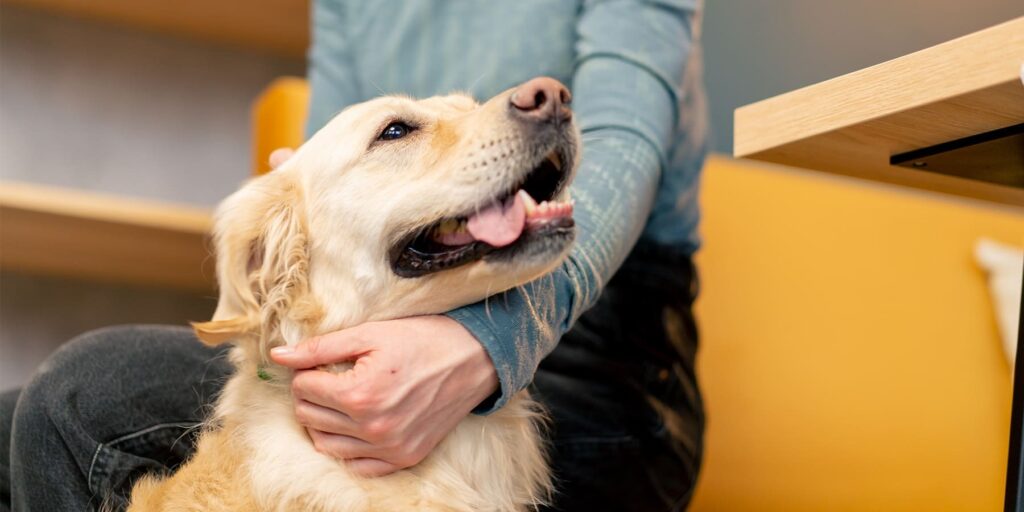
Treatment is directed by the identified cause. For idiopathic vestibular disease, management is primarily supportive and focused on keeping the dog comfortable and safe while the condition resolves.
Supportive Care at Home
Dogs with idiopathic vestibular disease can often be managed at home with appropriate safety measures in place. Confine the dog to a single room or a padded area where it cannot fall down stairs or injure itself on hard furniture. Remove access to elevated surfaces. Place food, water and the toilet area within easy reach on the same level. Carry the dog outside for bathroom breaks if it cannot navigate steps safely.
Managing Nausea
Anti-nausea medications prescribed by a veterinarian can significantly improve a dog’s comfort and encourage eating during the acute phase. Managing nausea early also reduces the risk of aspiration if vomiting is frequent.
Treating the Underlying Cause
When vestibular syndrome in dogs has an identifiable cause, that cause is treated directly. Inner ear infections receive appropriate antimicrobial treatment. Hypothyroidism is managed with thyroid hormone supplementation. Inflammatory brain conditions are treated with anti-inflammatory therapy under specialist guidance. Toxic exposures are addressed with supportive care aimed at reducing further damage.
Recovery Timeline
For idiopathic vestibular disease, most dogs show noticeable improvement within the first two to three days and substantial recovery within two to three weeks. A mild residual head tilt may remain permanently in some dogs but does not affect quality of life in a meaningful way. For other causes, the timeline depends on the nature and severity of the condition being treated.
When Is This a Pets Emergency?
Not every dog with vestibular signs needs to go to an emergency clinic at midnight, but certain presentations absolutely do. Understanding when balance problems in dogs cross into true emergency territory is one of the most important things this guide can offer.
Go to an emergency vet immediately if:
- The dog cannot stand at all or is rolling violently and injuring itself
- The dog appears confused, disoriented or unaware of its surroundings
- Seizures occur at any point
- The dog has experienced a recent traumatic event
- Toxin ingestion is known or suspected
- Symptoms are rapidly worsening rather than staying stable or improving
- The dog is not improving at all within 72 hours of onset
These presentations suggest central vestibular disease, trauma-related injury or toxic damage, all of which require urgent diagnostic workup and treatment. Understanding why timing matters in these situations is covered in this resource on the impact of delayed emergency care for pets.
If the dog is mentally alert, able to stand with assistance and symptoms appear stable or already beginning to improve, a same-day or next-morning appointment with your regular veterinarian may be appropriate, though a call to the clinic first to describe the symptoms is always advisable.
It is also worth noting that for dogs with known spinal conditions, vestibular signs can sometimes overlap with neurological symptoms from spinal disease. Understanding how spinal injury can affect your dog helps distinguish between the two presentations.
Moving Forward After a Vestibular Episode
For most dogs, a vestibular episode, particularly if it is idiopathic, is an isolated event rather than the beginning of a progressive disease. However, some dogs do experience recurrence, and any future episode should prompt a veterinary visit even if the dog recovered fully from the first one.
After recovery, keeping up with regular veterinary checkups is the most effective way to monitor for underlying conditions including thyroid disease, ear infections and other health changes that could predispose a dog to future vestibular events. Senior dogs in particular benefit from twice-yearly examinations that include blood panels and ear assessment.
What Every Dog Owner Should Know
Vestibular syndrome in dogs is startling precisely because it appears so suddenly and so severely. But for the majority of affected dogs, it is not the catastrophe it looks like at the moment. Knowing that idiopathic vestibular disease resolves on its own, understanding which signs point toward a more serious cause and knowing when this becomes a true pet emergency gives you the tools to respond clearly rather than in panic.
At North MS Pet Emergency, we provide after-hours and weekend emergency care for dogs experiencing sudden neurological signs including balance loss and vestibular dysfunction. If your dog cannot stand, is seizing or is showing signs of rapid deterioration, do not wait. Contact us immediately for emergency evaluation and support.
FAQs
Q: Can vestibular disease in dogs be cured completely?
A: For idiopathic vestibular disease, yes. Most dogs recover fully within two to three weeks without specific treatment. For other causes such as inner ear infections or hypothyroidism, treatment of the underlying condition leads to significant or full recovery in most cases.
Q: How do I tell vestibular disease apart from a stroke in my dog?
A: Vestibular disease typically leaves the dog mentally alert and responsive despite the balance loss. A stroke or central neurological event often causes changes in consciousness, weakness in multiple limbs or seizures. A veterinarian and often imaging are needed to confirm which is occurring.
Q: Is vestibular syndrome in dogs painful?
A: The condition itself is not typically painful, but the severe nausea and disorientation it causes are distressing. Dogs often appear panicked in the acute phase. Managing nausea with prescribed medication significantly improves their comfort during recovery.
Q: Should I restrict my dog’s activity during vestibular disease recovery?
A: Yes. Confine the dog to a safe area away from stairs and elevated surfaces. Carry it outside for bathroom breaks if needed. Limiting movement reduces the risk of injury from falls and allows the vestibular system to compensate without additional physical stress.
Q: Can balance problems in dogs from vestibular disease come back?
A: Recurrence is possible, particularly in older dogs. If a dog experiences a second vestibular episode, a veterinary visit is recommended to rule out an underlying cause such as hypothyroidism or chronic ear disease, even if the first episode was idiopathic.
Recent Posts
-
 Why Are Lilies Poisonous to Cats and How Fast Symptoms Can Appear
 -
 What Are the Signs of Pyometra in Dogs and Why It Cannot Wait
 -
 How To Recognize Warning Signs In A Pet In Pregnancy
 -
 Why Some Pet Emergencies Require Overnight Pet Care And Monitoring
 -
 Understanding Tumor Removal Surgery for Pets and What It Involves