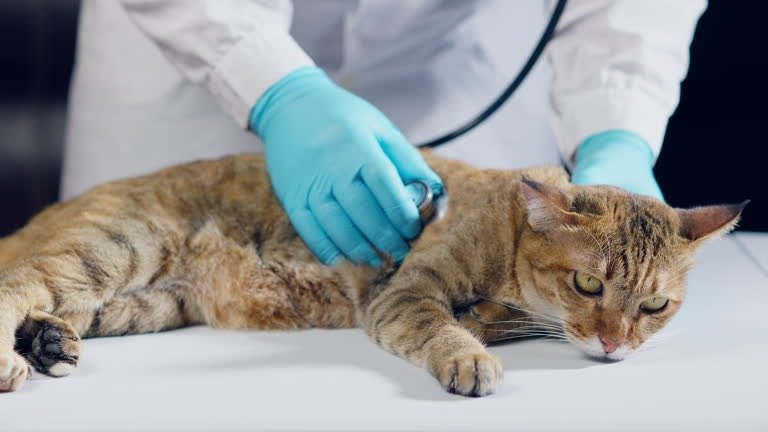
Few moments are more frightening for a cat owner than watching their pet suddenly drop to the floor, go limp or lose consciousness without any warning. If you are asking yourself “why did my cat collapse”, you are not alone in that panic, and the urgency you feel is completely appropriate. Collapse in cats is never a normal event and should always be treated as a potential emergency until a veterinarian has assessed the situation.
This guide explains the most common causes of collapse in cats, how to tell them apart, what to do in the immediate moments after it happens and when you need to contact emergency vets for cats without any further delay.
What Does It Mean When a Cat Collapses?
A collapse occurs when a cat suddenly loses the ability to maintain normal posture and falls to the floor. The nature of the collapse can vary considerably. Some cats go completely limp and unresponsive. Others remain partially conscious but cannot stand or coordinate their limbs. Some shake or paddle their legs. Some recover within seconds while others remain unresponsive for longer.
These differences in presentation are clinically meaningful because they help point toward the underlying cause. The speed of onset, the duration, what the cat looks like during the episode and how it behaves immediately afterward all provide important diagnostic information for the veterinary team.
Collapse is not a diagnosis in itself. It is a sign that something significant is happening within the body, and identifying what that is requires a thorough examination and often diagnostic testing.
Common Causes of Collapse in Cats
Seizures in Cats
Seizures are one of the most common and recognizable causes of sudden collapse. A seizure occurs when abnormal electrical activity in the brain disrupts normal neurological function. During a generalized seizure, a cat typically loses consciousness, falls to one side and shows involuntary muscle activity such as paddling of the legs, jaw chomping or body stiffening. Urination or defecation may occur. The episode typically lasts between one and three minutes, after which the cat enters a post-seizure phase called the postictal period, where it may appear confused, disoriented, temporarily blind or excessively sleepy.
Seizures in cats can be caused by brain tumors, inflammatory brain disease, toxin ingestion, severe metabolic disturbances such as low blood sugar or liver disease, hypertension and, less commonly in cats than dogs, primary epilepsy. A first seizure always warrants veterinary evaluation. A seizure lasting more than five minutes or multiple seizures within a 24-hour period is a status epilepticus emergency requiring immediate intervention.
Syncope or Cat Fainting
Cat fainting, also called syncope, occurs when there is a sudden brief reduction in blood flow to the brain. Unlike a seizure, fainting typically involves a brief loss of muscle tone and consciousness without the involuntary muscular activity. The cat usually goes limp rather than rigid and recovers relatively quickly. The episode may look milder than a seizure but the underlying causes are no less serious.
Common causes of syncope in cats include cardiac arrhythmias, severe heart disease, significant low blood pressure and obstructive diseases of the heart that reduce cardiac output. A cat that faints may appear to recover quickly and seem normal immediately afterward, which can make owners underestimate the severity of what happened. Any episode of cat fainting warrants same-day veterinary evaluation at a minimum.
Cardiac Events
Heart disease is a significant cause of sudden collapse in cats, particularly in middle-aged to older cats and certain predisposed breeds. Hypertrophic cardiomyopathy is the most common form of heart disease in cats, and in some cases it causes no prior symptoms before a collapse or acute emergency occurs. Cats with cardiac disease may collapse due to severely reduced cardiac output, a dangerous arrhythmia or the development of aortic thromboembolism, a devastating complication in which a blood clot lodges in the major blood vessel at the base of the aorta and cuts off blood supply to the hind limbs.
Aortic thromboembolism produces sudden and dramatic hind limb paralysis, severe pain, cold limbs and often respiratory distress. It is one of the most acutely painful emergencies in feline medicine and requires immediate emergency vets for cat contact. Read more about recognizing hidden symptoms of heart disease in cats to understand what signs may have preceded the collapse.
Severe Low Blood Sugar
Hypoglycemia, or abnormally low blood sugar, deprives the brain of glucose and can cause weakness, collapse and seizure-like activity. It is most commonly seen in cats that are diabetic and have received insulin without eating, but it can also occur in cats with insulin-secreting tumors of the pancreas, severe liver disease and sepsis. A cat collapsing due to hypoglycemia may appear glassy-eyed, tremble, be unresponsive or show muscle twitching.
Toxin Ingestion
Many common household substances and certain plants can cause sudden neurological or cardiovascular collapse in cats. Certain flowers including some lily species cause rapid kidney failure that can progress to neurological signs. Insecticides, some essential oils and various human medications are highly toxic to cats and can cause seizures or cardiovascular collapse. If you suspect your cat has come into contact with any potentially toxic substance, this is an emergency and you should contact emergency vets for cats immediately while reviewing information on understanding cat toxicity symptoms.
Respiratory Failure
Collapse from respiratory failure occurs when the body can no longer maintain adequate oxygen delivery. Severe asthma, pleural effusion (fluid around the lungs), pneumonia and chest injuries can all compromise breathing to the point where the cat collapses from oxygen deprivation. These cats often show a period of labored breathing before collapsing. If you observed breathing difficulty before the collapse, this is critical information to share with the veterinary team. Learn more about how to recognize and manage pet asthma attacks for context on respiratory emergencies in cats.
Severe Anemia
When red blood cell levels drop critically low, the body cannot deliver adequate oxygen to the brain and muscles. This can result in collapse, particularly during or after physical activity. Causes of severe anemia in cats include immune-mediated hemolytic disease, toxin-induced red blood cell destruction, blood loss from internal hemorrhage and bone marrow failure.
Trauma
Cats that have experienced head trauma, a fall from height or a vehicle collision may collapse due to brain injury, internal bleeding or spinal cord damage. The collapse may occur immediately after the incident or be delayed by several hours as internal injury progresses. Any cat involved in a traumatic event that then collapses or shows weakness should be treated as a medical emergency. Read more about how to handle pet trauma before reaching emergency care for guidance on what to do in those first critical moments.
Severe Infections and Sepsis
Cats with overwhelming systemic infections or sepsis can collapse as the body’s circulatory system fails to maintain adequate blood pressure and organ perfusion. These cats are typically very unwell in the hours preceding collapse with signs such as fever, lethargy and reduced appetite. Collapse in this context indicates the infection has progressed to a critical stage.
How to Tell Different Causes Apart
While only a veterinarian can definitively diagnose the cause of a collapse, the observations you make during and after the episode are enormously valuable.
| Observation | Possible Cause |
| Rigid body, paddling legs, jaw chomping | Seizure |
| Sudden limpness, quick recovery | Syncope or cat fainting |
| Hind limb paralysis, crying out in pain, cold legs | Aortic thromboembolism |
| Labored breathing before or after | Respiratory or cardiac cause |
| Exposure to toxic substance | Toxin-related collapse |
| Recent trauma or fall | Trauma-related injury |
| Known diabetic cat, missed meal | Hypoglycemia |
Try to note how long the episode lasted, whether the cat lost consciousness completely, whether there was any muscle activity and how the cat behaved in the minutes immediately afterward. This information will significantly help the veterinary team during their assessment.
What to Do Immediately After Your Cat Collapses
The moments following a collapse are critical. Staying as calm as possible and taking the right steps can make a meaningful difference.
Step 1: Do Not Put Your Hand Near the Mouth
If the cat is having seizures in cats, it may bite reflexively even without intending to. Do not attempt to hold the tongue or put anything in the mouth. Cats cannot swallow their tongue during a seizure.
Step 2: Keep the Cat Safe and Still
Move any hard or sharp objects away from the cat to prevent injury during convulsions. Place a soft towel or blanket underneath if possible. Do not restrain the cat firmly during a seizure, as this can increase injury risk. For a cat that is limp and unresponsive, keep it flat and still.
Step 3: Time the Episode
Note when the collapse started and how long it lasts. If seizures in cats continue for more than five minutes, this is a medical emergency that cannot wait. Call emergency vets for cats immediately while the episode is still ongoing.
Step 4: Note Everything You Observed
As soon as the episode ends, write down everything you saw, when it started, how long it lasted, what the cat’s body looked like, whether it was conscious, what happened immediately afterward and any potential exposures to toxins or trauma that day. This information is often more helpful than owners realize.
Step 5: Contact Emergency Vets for Cats
Even if the cat appears to recover fully and seems normal within minutes, do not assume the episode was harmless. Collapse and cat fainting always require veterinary evaluation. Call your regular veterinarian or an emergency clinic immediately and describe what happened. They will advise you on how urgently the cat needs to be seen.
Step 6: Transport Safely
Place the cat in a carrier lined with a soft towel. Keep the environment quiet and minimize handling during transport. If the cat is not breathing or has no detectable heartbeat, inform the emergency clinic immediately so they can prepare for resuscitation efforts on arrival.
What to Expect at the Emergency Vet
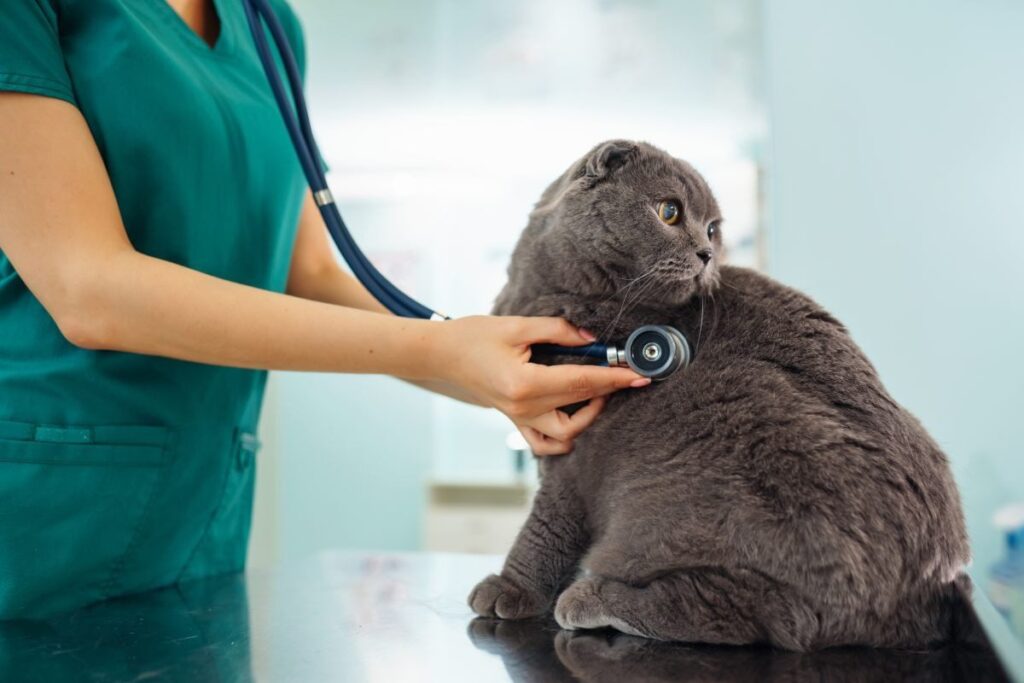
When you arrive at an emergency clinic, the team will begin by assessing the cat’s vital signs including heart rate, respiratory rate and blood pressure. Gum color and capillary refill time give rapid information about circulation and oxygen delivery.
Diagnostic Testing
Blood work including a complete blood count and chemistry panel provides information about organ function, blood sugar levels, red blood cell levels and evidence of infection or toxin exposure. Blood pressure measurement is performed because hypertension is a significant cause of neurological events in cats. Chest X-rays and abdominal ultrasound help identify cardiac abnormalities, fluid accumulation and internal injuries. An electrocardiogram may be performed if a cardiac arrhythmia is suspected.
Stabilization First
Stabilizing the cat takes priority over comprehensive diagnostics. Oxygen supplementation, intravenous fluid support and emergency medications to stop ongoing seizures or address arrhythmias are administered as needed before the diagnostic picture is fully clear.
When Is This an Immediate Emergency?
All collapses in cats warrant veterinary contact. Some situations require you to go to emergency vets for cats without any delay.
Go immediately if the cat has not regained consciousness, if seizures in cats are ongoing for more than five minutes, if the cat is breathing with obvious difficulty, if hind limbs are cold and paralyzed, if the cat has a known or suspected toxic exposure, if gums are pale, white, blue or gray, or if the cat is in obvious and severe pain. Do not wait for a regular appointment in any of these situations. Understanding the impact of delayed emergency care in pets makes clear that timing is critical when the nervous system, heart or oxygen supply is compromised.
After the Emergency: Next Steps
Once the cat has been stabilized and the underlying cause identified, a follow-up care plan is discussed with the owner. For cats with cardiac disease, ongoing monitoring and management are required. For cats that have had a first seizure, investigation into the cause and decisions about long-term management are made based on the diagnostic findings. For cats with metabolic causes, addressing the underlying disease is the priority.
Many cats that collapse from treatable causes go on to live comfortable lives with appropriate management in place. The key is reaching emergency vets for cats quickly enough that stabilization and diagnosis can happen before secondary complications develop.
Act First, Ask Questions Later
When a cat collapses, it is natural to want to wait and see whether it recovers on its own. In most cases, waiting is the wrong decision. Whether the cause is seizures in cats, cat fainting from a cardiac event, toxin ingestion or something else entirely, the window for effective intervention is often narrow. Acting immediately by contacting emergency vets for cats gives your cat the best possible chance of a full recovery.
At North MS Pet Emergency, we are available after hours and throughout weekends to evaluate cats presenting with collapse, seizures, cardiac events and other acute neurological emergencies. Our team is equipped to stabilize, diagnose and begin treatment quickly when every second matters. Contact us immediately if your cat has collapsed.
FAQs
Q: Why did my cat collapse and then seem fine immediately after?
A: Quick recovery after collapse often points toward syncope or cat fainting caused by a brief cardiac arrhythmia or blood pressure drop. Appearing normal afterward does not mean the event was harmless. Same-day veterinary evaluation is still strongly recommended.
Q: How do I tell a seizure apart from cat fainting?
A: Seizures in cats typically involve muscle rigidity, paddling and jaw movements, followed by a confused recovery period. Cat fainting usually causes sudden limpness with a quicker return to normal. Both require veterinary evaluation but a prolonged seizure is the more immediate emergency.
Q: Should I take my cat to emergency vets after a first-time collapse?
A: Yes. A first-time collapse always warrants veterinary evaluation. If the cat is still unresponsive, still seizing, struggling to breathe or in obvious pain, go to emergency vets for cats immediately without waiting to call ahead.
Q: Can stress cause a cat to collapse?
A: Extreme stress can trigger cardiac arrhythmias in cats with underlying heart disease, which may cause fainting. True collapse from stress alone in a healthy cat is uncommon. Any episode of collapse should be evaluated to rule out a medical cause rather than attributed to stress.
Q: What is the most dangerous cause of collapse in cats?
A: Aortic thromboembolism, which causes sudden hind limb paralysis and severe pain, is among the most immediately life-threatening causes. Status epilepticus and respiratory failure are also critical emergencies. Any of these situations require emergency vets for cat contact without delay.
Recent Posts
-
 What Happens if a Dog Eats Ibuprofen and When It Becomes an Emergency
 -
 Why Cats Suddenly Lose Use of Their Back Legs From a Blood Clot
 -
 Why Are Lilies Poisonous to Cats and How Fast Symptoms Can Appear
 -
 What Are the Signs of Pyometra in Dogs and Why It Cannot Wait
 -
 How To Recognize Warning Signs In A Pet In Pregnancy