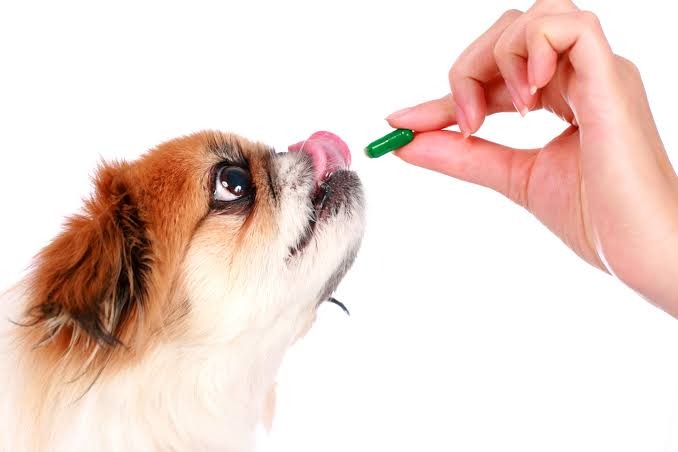
A bottle of ibuprofen tips off the nightstand, or a few tablets spill out of a purse onto the floor, and by the time you notice, your dog has already swallowed one or two. It seems like such an ordinary medicine cabinet item that it is easy to assume the risk is small. Understanding what happens if a dog eats ibuprofen tells a different story, because this common human pain reliever is one of the more frequent and more dangerous accidental poisonings veterinary emergency teams see.
This guide covers why ibuprofen is so much more dangerous to dogs than to people, the ways dogs typically get into it, the ibuprofen toxicity in dogs symptoms to watch for, how it is diagnosed and treated, and why any known ingestion is a reason to call an emergency vet right away, regardless of how many pills were involved.
What Happens if a Dog Eats Ibuprofen?
Ibuprofen belongs to a class of medications called nonsteroidal anti-inflammatory drugs, or NSAIDs, which work by blocking certain enzymes involved in pain and inflammation. In people, this same mechanism is generally well tolerated at normal doses. In dogs, the margin between a dose that does nothing and a dose that causes serious harm is much narrower, which is why even amounts that seem small by human standards can cause real damage. This is one of the reasons NSAID poisoning in dogs falls under North MS Pet Emergency’s poisoning and toxicity care services, since the resulting injury can affect both the stomach and the kidneys at once.
Why Dogs Are More Sensitive to NSAIDs Than Humans
The enzymes ibuprofen blocks are also responsible for protecting the stomach lining and maintaining healthy blood flow to the kidneys. Dogs process and clear NSAIDs from their system differently than people do, which means the drug stays active in their body longer relative to the dose given. The combination of a narrower safety margin and slower clearance is why a dose that a person might take without a second thought can cause ulcers or kidney injury in a dog.
Why There Is No Safe Amount to Estimate at Home
Because every dog’s size, breed, and individual sensitivity affects how much damage a given exposure can cause, there is no reliable formula an owner can use at home to decide whether an ingestion is serious enough to warrant a call. A veterinary team can weigh a dog’s weight against the amount believed to have been swallowed and the concentration of the product involved, but that calculation still only tells part of the story, since two dogs of similar size can react quite differently to the same exposure. This is a major reason emergency teams treat every known or suspected ibuprofen ingestion as urgent rather than trying to sort ahead of time which cases are likely to be minor.
What Leads to Ibuprofen Toxicity in Dogs?
Most cases of ibuprofen toxicity happen by accident, though the routes of exposure vary more than owners often expect.
Getting Into a Pill Bottle or Purse
Dogs are curious and food-motivated, and pill bottles, purses, and nightstand drawers are common places where medication gets left within reach. Some dogs will chew through a bottle that looks completely secure to a person, especially if there is any flavored coating or residue on the outside.
Being Given Ibuprofen by Well-Meaning Owners
Some cases happen because an owner, not realizing the danger, gives a dog ibuprofen for pain or a limp, assuming that what is safe for a person must be safe for a dog in a smaller amount. This is never a safe assumption, since dogs lack the same tolerance for this medication that people have, regardless of how the dose is scaled down for size.
Chewable or Flavored Medication Formulations
Some ibuprofen products, particularly children’s formulations, are flavored or chewable, which makes them more appealing to a dog than a plain tablet would be. A dog who would normally ignore a bitter pill may seek out and consume an entire bottle of a sweeter-tasting version.
Repeated Exposure Over Time
In some cases, a dog is given or gets into small amounts of ibuprofen more than once, and the cumulative effect on the stomach and kidneys builds over days or weeks rather than showing up after a single incident. This pattern can be harder to recognize than a single large ingestion, since the connection to the medication is less obvious.
Getting Into the Trash or an Unsecured Counter
Ibuprofen bottles and blister packs are often thrown away still holding a few leftover tablets, and a dog that raids the trash or counters a bag left within reach can end up swallowing far more than anyone realizes. Medications are just one of many common household hazards that dogs get into this way, alongside cleaning products, certain foods, and other items that seem harmless sitting out but are not meant for a dog to reach.
Signs of Ibuprofen Toxicity in Dogs
Ibuprofen toxicity in dogs symptoms typically fall into two categories: damage to the digestive tract and damage to the kidneys, and both can develop at the same time.
Vomiting
Vomiting is often the earliest sign, sometimes appearing within hours of ingestion. As the toxicity progresses and the stomach lining becomes more damaged, vomit may contain streaks of blood or look like coffee grounds, which reflects digested blood. Because vomiting has many possible causes, it can be tempting to wait and see whether it resolves, but any vomiting after a known or suspected ibuprofen ingestion should be treated as a reason to call rather than watched from home the way you might approach vomiting from an unrelated cause.
Reduced Appetite
A dog affected by ibuprofen often stops eating normally, even before other signs become obvious. This reflects both nausea from stomach irritation and the general unwell feeling that comes with early toxicity, and it can be one of the only outward clues in a dog who has gotten into medication without anyone seeing it happen.
Lethargy
Dogs frequently become noticeably tired and less interested in normal activity as the toxicity affects their overall system. This can be subtle at first and easy to attribute to a dog simply having an off day.
Dark or Tarry Stool
As stomach ulcers develop and bleed, digested blood in the stool causes it to look unusually dark, black, or tarry. This is a significant sign of gastrointestinal bleeding and should never be dismissed as a minor digestive upset.
Increased Thirst and Urination
As the kidneys begin to sustain damage, dogs may drink more water and urinate more frequently than usual in the earlier stages of kidney involvement, reflecting the kidneys’ declining ability to concentrate urine properly.
Decreased or Absent Urination
As kidney damage progresses further, urine output can drop significantly or stop altogether. This is one of the most serious signs of ibuprofen toxicity and indicates the kidneys are struggling to function.
Seizures or Collapse
In severe cases, toxins that the kidneys can no longer filter, combined with significant blood loss from gastrointestinal bleeding, can lead to seizures or collapse. This represents the most critical stage of ibuprofen toxicity and requires immediate intensive treatment, and dogs who reach this point often need more prolonged hospitalization than those treated at an earlier stage.
Comparing Mild and Severe Ibuprofen Toxicity in Dogs
| Severity | Common Signs | Underlying Damage |
| Mild or early | Vomiting, reduced appetite, mild lethargy. | Early stomach lining irritation. |
| Moderate | Dark or bloody stool, vomiting blood, increased thirst. | Stomach ulceration, early kidney stress. |
| Severe | Decreased urination, seizures, collapse. | Kidney failure, risk of stomach perforation. |
How Is Ibuprofen Toxicity in Dogs Diagnosed?
Diagnosis relies heavily on a known or suspected history of ingestion, so telling the veterinary team what medication was involved, how much may have been consumed, and roughly when it happened is some of the most valuable information you can provide. Bringing the medication bottle along, if available, helps the team calculate the level of risk quickly, and even a rough estimate of how many tablets are missing from the bottle can meaningfully change how urgently the team proceeds.
In cases where no one witnessed the ingestion but ibuprofen toxicity is suspected based on symptoms alone, the diagnostic process leans more heavily on bloodwork patterns and ruling out other causes of vomiting, appetite loss, or kidney changes, which can take longer and delay the start of targeted treatment.
Bloodwork is central to evaluating the extent of damage, checking kidney values as well as red blood cell counts, since significant gastrointestinal bleeding can cause anemia. A veterinarian may also check for signs of protein loss or changes suggesting a stomach ulcer has developed. In cases where perforation of the stomach or intestine is a concern, abdominal imaging may be used to look for free fluid or air in the abdomen, which would indicate a surgical emergency rather than one managed with medication alone.
Because ibuprofen toxicity in dogs symptoms can look similar to other gastrointestinal or kidney problems, sharing the timeline of exposure as precisely as possible helps the veterinary team narrow down the diagnosis faster and choose the right starting point for treatment rather than working through a broader list of possible causes first.
Treatment for Ibuprofen Toxicity in Dogs
Treatment depends heavily on how much time has passed since ingestion and how significant the signs are by the time a dog is seen.
Inducing Vomiting Within the First Hour
If a dog is brought in shortly after ingestion, a veterinarian may induce vomiting to remove as much of the medication as possible before it is absorbed. This window closes quickly, which is part of why calling immediately after a known ingestion matters even if a dog seems completely fine in the moment.
Activated Charcoal and Gastrointestinal Protectants
Activated charcoal can help bind remaining medication in the digestive tract, reducing how much is absorbed into the bloodstream. Medications that protect and coat the stomach lining are often started as well, aiming to reduce further irritation and support healing of any ulceration that has already begun.
IV Fluid Therapy to Protect the Kidneys
Intravenous fluids help maintain blood flow to the kidneys and support their function while the body clears the medication, which is one of the most important interventions for reducing the risk of lasting kidney damage. Fluid therapy is often continued for one to several days depending on how the kidney values respond.
Monitoring for Ulcers and Kidney Function
Ongoing bloodwork tracks how the kidneys are responding to treatment, while monitoring for continued vomiting, blood in the stool, or abdominal pain helps the team catch a worsening ulcer before it becomes a bigger problem. Dogs with more significant exposure are typically hospitalized for this monitoring rather than sent home the same day.
Recovery and Follow-Up Care
Once a dog is stable, recovery time depends on how much damage occurred before treatment started. Dogs treated early for a mild exposure often recover within a few days, while those with significant ulceration or kidney involvement may need repeat bloodwork over the following weeks to confirm that kidney values have returned to normal and the stomach lining has fully healed.
When to Contact an Emergency Vet
Any known or suspected ingestion of ibuprofen, or any other NSAID, warrants an immediate call, even if your dog seems completely normal in the moment. The impact of delayed emergency care is significant here, since the earliest and most effective intervention, inducing vomiting before the medication is absorbed, is only possible within a narrow window after ingestion.
You should also seek emergency care right away if your dog is vomiting, especially with any blood present, has dark or tarry stool, seems unusually tired, or is drinking or urinating noticeably more or less than normal. Dogs showing signs of kidney disease from any cause are already more vulnerable to NSAID-related kidney injury, which is another reason to mention any known medication history when you call.
North MS Pet Emergency serves as an emergency vet for dogs and cats whenever a known exposure like this happens outside normal business hours, which is often exactly when these incidents occur. Do not wait until morning or until your regular veterinarian’s office opens if you have any reason to suspect your dog got into ibuprofen or another NSAID.
Keeping Human Medications Out of Reach
Ibuprofen is one of the most common accidental poisonings in dogs precisely because it is so common in human households, and most owners have no idea what happens if a dog eats ibuprofen until it has already occurred. Keeping all medications, including anything flavored or chewable, well out of reach and never giving a dog human pain medication without direct veterinary guidance are the simplest ways to prevent this entirely avoidable emergency.
Simple habits make a real difference here. Storing medications in a closed cabinet rather than a nightstand drawer or open purse, disposing of empty bottles somewhere a dog cannot reach, and asking guests to keep their own medications zipped away when visiting with a dog in the house all reduce the chance of an accidental ingestion happening in the first place. None of these steps take much effort, but together they close off most of the ways dogs typically end up exposed.
At North MS Pet Emergency, we function as an overnight and weekend emergency vet for cats and dogs across North Mississippi, Northwest Alabama and Southwest Tennessee. If your dog has gotten into ibuprofen or is showing any signs described in this guide, do not wait. Contact us immediately for emergency evaluation and care.
FAQs
Q: What happens if a dog eats ibuprofen?
A: Ibuprofen can cause stomach ulceration and kidney damage in dogs, even at doses that seem small. Signs range from vomiting and reduced appetite in milder cases to dark, bloody stool, decreased urination, and collapse in more severe cases.
Q: How much ibuprofen is dangerous for a dog?
A: Dogs have a much narrower safety margin for NSAIDs than people do, and there is no dose considered universally safe. Any known ingestion should be treated as a potential emergency rather than assessed at home based on the dog’s size.
Q: What are the first signs of NSAID poisoning in dogs?
A: The earliest signs are usually vomiting, reduced appetite, and lethargy, sometimes appearing within a few hours of ingestion. These can look mild at first, which is why any known exposure should prompt a call regardless of how the dog appears, rather than waiting to see whether more obvious signs develop.
Q: Can ibuprofen toxicity in dogs be treated?
A: Yes, especially when caught early. Treatment may include inducing vomiting, activated charcoal, stomach-protecting medications, and intravenous fluids to support the kidneys, with the best outcomes seen when treatment begins soon after ingestion and worse outcomes when significant time has already passed.
Q: Is it ever safe to give a dog ibuprofen for pain?
A: No. Ibuprofen and other human NSAIDs are not considered safe pain relief options for dogs under any circumstances, and giving one without veterinary guidance carries a real risk of causing the toxicity described in this guide rather than relieving pain safely. A veterinarian can prescribe pain relief formulated specifically for dogs when needed, which avoids this risk entirely.
Recent Posts
-
 What Happens if a Dog Eats Ibuprofen and When It Becomes an Emergency
 -
 Why Cats Suddenly Lose Use of Their Back Legs From a Blood Clot
 -
 Why Are Lilies Poisonous to Cats and How Fast Symptoms Can Appear
 -
 What Are the Signs of Pyometra in Dogs and Why It Cannot Wait
 -
 How To Recognize Warning Signs In A Pet In Pregnancy