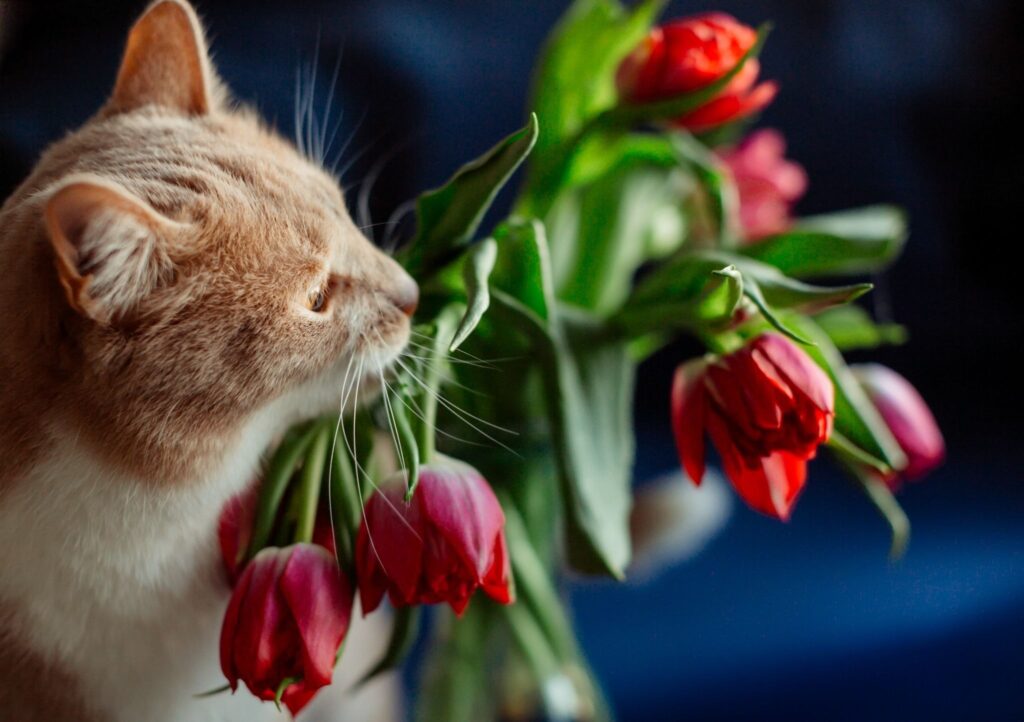
A fresh bouquet on the kitchen counter seems harmless enough, until you notice your cat has been sniffing at it, or worse, chewing on a petal that fell to the floor. If that bouquet contains lilies, what feels like an ordinary moment can turn into a true emergency within hours. Understanding why are lilies poisonous to cats is not just interesting trivia; it is information that can save a cat’s life, because this is one plant where waiting to see what happens is not a safe option.
This guide covers what makes lilies so dangerous specifically to cats, the different ways a cat can be exposed, the signs of lily toxicity in cats symptoms as they progress, how veterinarians diagnose and treat exposure, and why any known contact with a lily, even without visible symptoms yet, is a reason to call an emergency vet immediately.
Why Are Lilies Poisonous to Cats?
Lilies contain a toxin that causes acute kidney failure in cats, and remarkably, the exact compound responsible is still not fully identified by veterinary science. What is well established is the effect: even a small amount of plant material can cause a cat’s kidneys to stop functioning within one to three days of exposure. This is one of the reasons lily toxicity falls under North MS Pet Emergency’s poisoning and toxicity care services, since so few toxins act this fast or this severely on a single organ system.
What makes this especially alarming is how little exposure it takes. Unlike many household toxins where a small nibble might cause only mild irritation, with true lilies, even two or three petals, a few leaves, or the pollen a cat licks off its own fur while grooming can be enough to cause fatal kidney damage. There is no known safe amount, and no size, age, or breed of cat is naturally protected from the effect.
Which Lily Varieties Are Actually Dangerous
Not every plant called a “lily” carries this risk, and the distinction matters enormously. True lilies, which include Easter lilies, tiger lilies, stargazer lilies, Asiatic lilies, and daylilies, are the ones responsible for kidney failure in cats. Peace lilies and calla lilies, despite their names, are not true lilies at all and belong to a different plant family entirely. They can still cause mouth and throat irritation from calcium oxalate crystals if chewed, which is unpleasant but not life-threatening in the same way.
If you are not sure which variety you have, the safest assumption is to treat any unidentified lily-like plant as a true lily until you can confirm otherwise. Florists frequently mix true lilies into arrangements labeled simply as “mixed bouquet” or “seasonal flowers,” so the absence of the word “lily” on packaging does not guarantee a bouquet is safe.
What Causes Lily Toxicity in Cats?
Exposure can happen in more ways than most owners expect, since cats do not need to eat a large portion of the plant for toxicity to occur.
Ingesting Any Part of the Plant
Chewing on petals, leaves, or stems is the most obvious route of exposure, but it does not take much. Cats are natural chewers and explorers, and a bouquet left within reach is often too tempting to resist, especially for younger or more curious cats.
Drinking Water From a Vase
Toxic compounds from the plant can leach into the water in a vase, which means a cat does not need to touch the lily itself to be poisoned. Even after the flowers themselves are thrown away, water left behind in a vase can remain a hazard until it is emptied and rinsed out.
Grooming Pollen Off Fur
Lily pollen is bright and easily transferred onto a cat’s fur or whiskers simply by walking past the flower. Cats are meticulous groomers, and licking pollen off their coat later is enough to deliver a toxic dose, even if the cat never appeared interested in the plant itself.
An Incompletely Understood Toxic Mechanism
Researchers have not yet isolated the specific compound in true lilies responsible for kidney damage. What is clear from decades of documented cases is that the toxic effect is specific to cats. Dogs who chew on lilies may experience mild stomach upset, but they do not develop the same kidney failure, which makes this one of the rare toxins where the household risk is essentially species-specific to cats.
Signs of Lily Toxicity in Cats
Lily toxicity in cats symptoms follow a fairly predictable and fast-moving timeline, which is part of why recognizing them quickly matters so much.
Early Signs Within Hours
Within the first one to six hours after exposure, cats often begin drooling, vomiting, and acting unusually quiet or withdrawn. These early signs are sometimes mistaken for a minor stomach upset, which is exactly the window where treatment is most effective if it is not missed.
Reduced Appetite
A cat who has ingested lily material often loses interest in food entirely, even treats or favorite meals. This can persist even once the initial vomiting has settled down, which owners can mistake for the cat simply “recovering.”
Increased Thirst and Urination
As the kidneys begin struggling to filter toxins from the bloodstream, cats may drink more water and urinate more frequently in the first day or so, an early sign that the kidneys are under significant stress.
Decreased or Absent Urination
This is one of the most serious signs and typically develops one to three days after exposure. As kidney failure progresses, urine output drops and can stop altogether. This progression mirrors what can happen with kidney failure in cats from other causes, though with lily toxicity it unfolds over days rather than months or years.
Dehydration
Vomiting, reduced water intake, and impaired kidney function all contribute to dehydration that worsens quickly without intervention. Signs can include dry or tacky gums, skin that is slow to spring back when gently pinched, and sunken-looking eyes.
Seizures or Tremors
As toxins build up in the bloodstream that the kidneys can no longer filter out, some cats develop tremors or seizures, signaling a medical crisis.
Collapse or Coma
In advanced, untreated cases, cats can become unresponsive as complete kidney failure sets in. Without aggressive treatment started early, this stage is frequently fatal within days of exposure.
Comparing True Lilies and Non-Toxic Look-Alikes
| Plant | Toxicity Level | Effect on Cats |
| True lilies (Easter, tiger, stargazer, Asiatic, daylily) | Severely toxic | Acute kidney failure, potentially fatal without treatment. |
| Peace lily | Mildly toxic | Mouth and throat irritation, drooling, vomiting. |
| Calla lily | Mildly toxic | Similar oral irritation, not kidney damage. |
How Is Lily Toxicity in Cats Diagnosed?
Diagnosis relies heavily on a clear history of exposure, so bringing along a piece of the plant, its packaging, or even a photo can speed up the process significantly. Veterinarians take this history seriously even when a cat is not yet showing obvious signs, because understanding cat toxicity symptoms in general means recognizing that exposure itself, not just visible illness, is often the trigger for starting treatment.
Bloodwork is central to diagnosis and ongoing monitoring, particularly kidney values such as BUN and creatinine. Because these values can look completely normal in the first 12 to 24 hours even in a cat that will go on to develop severe kidney damage, veterinarians often begin treatment based on known or suspected exposure alone rather than waiting for bloodwork to confirm a problem that may not show up yet.
Treatment for Lily Toxicity in Cats
Lily poisoning in cats treatment is time-sensitive in a way that few other toxin exposures are.
Inducing Vomiting Within Hours
If a cat is brought in within one to two hours of ingestion, a veterinarian may induce vomiting to remove as much plant material as possible, sometimes followed by activated charcoal. This is never something to attempt at home.
Aggressive IV Fluid Therapy
Regardless of how a cat presents, aggressive intravenous fluid therapy is the cornerstone of treatment, typically continued for 48 hours or longer, to flush the kidneys and support their function before permanent damage sets in.
Monitoring Kidney Function
Repeated bloodwork over the following days tracks how the kidneys are responding to treatment. Some cats recover full kidney function with prompt, aggressive care, while cats treated later in the timeline may be left with lasting kidney damage.
When to Contact an Emergency Vet
Any known or suspected exposure to a lily is a reason to call immediately, even if your cat looks completely normal right now. This is one of the few situations where the impact of delayed emergency care is measured in hours rather than days.
You should also seek emergency care right away if your cat is drooling, vomiting, unusually lethargic, drinking or urinating more or less than normal, or showing any signs of dehydration, particularly if there are lilies anywhere in the home.
Keeping Cats Safe From a Common but Deadly Flower
Lilies are a common, beautiful, and completely ordinary part of many bouquets and gardens, which is exactly what makes them so dangerous. The question of why are lilies poisonous to cats rarely crosses an owner’s mind until it is too late, so the most protective thing you can do is learn the risk now, keep true lilies out of any home with a cat, and act immediately if exposure ever happens.
At North MS Pet Emergency, we function as an overnight and weekend emergency vet for cats across North Mississippi, Northwest Alabama and Southwest Tennessee. If your cat has been near a lily or is showing any signs described in this guide, do not wait. Contact us immediately for emergency evaluation and care.
FAQs
Q: Why are lilies poisonous to cats?
A: Lilies contain a toxin, not yet fully identified by researchers, that causes acute kidney failure specifically in cats. Even a small amount of plant material, pollen, or vase water can be enough to cause fatal kidney damage within one to three days of exposure.
Q: What are the first signs of lily toxicity in cats?
A: The earliest signs, usually appearing within one to six hours, are drooling, vomiting, and lethargy. These can look like a minor stomach upset at first, which is why any known exposure should be treated as an emergency.
Q: Are all types of lilies dangerous to cats?
A: No. True lilies, including Easter, tiger, stargazer, Asiatic, and daylily varieties, cause severe kidney damage. Peace lilies and calla lilies only cause mild mouth irritation, though it is safest to keep any plant you are unsure about away from cats entirely.
Q: What does lily poisoning in cats treatment involve?
A: Treatment centers on aggressive intravenous fluid therapy to protect and flush the kidneys, often started before bloodwork confirms damage, along with inducing vomiting if the exposure is caught within the first couple of hours.
Q: Can a cat survive lily poisoning?
A: Many cats recover fully when treatment begins quickly, often within the first 18 hours of exposure. The odds decline significantly the longer treatment is delayed, which is why any suspected exposure warrants an immediate call to an emergency vet for cats.
Recent Posts
-
 Why Are Lilies Poisonous to Cats and How Fast Symptoms Can Appear
 -
 What Are the Signs of Pyometra in Dogs and Why It Cannot Wait
 -
 How To Recognize Warning Signs In A Pet In Pregnancy
 -
 Why Some Pet Emergencies Require Overnight Pet Care And Monitoring
 -
 Understanding Tumor Removal Surgery for Pets and What It Involves