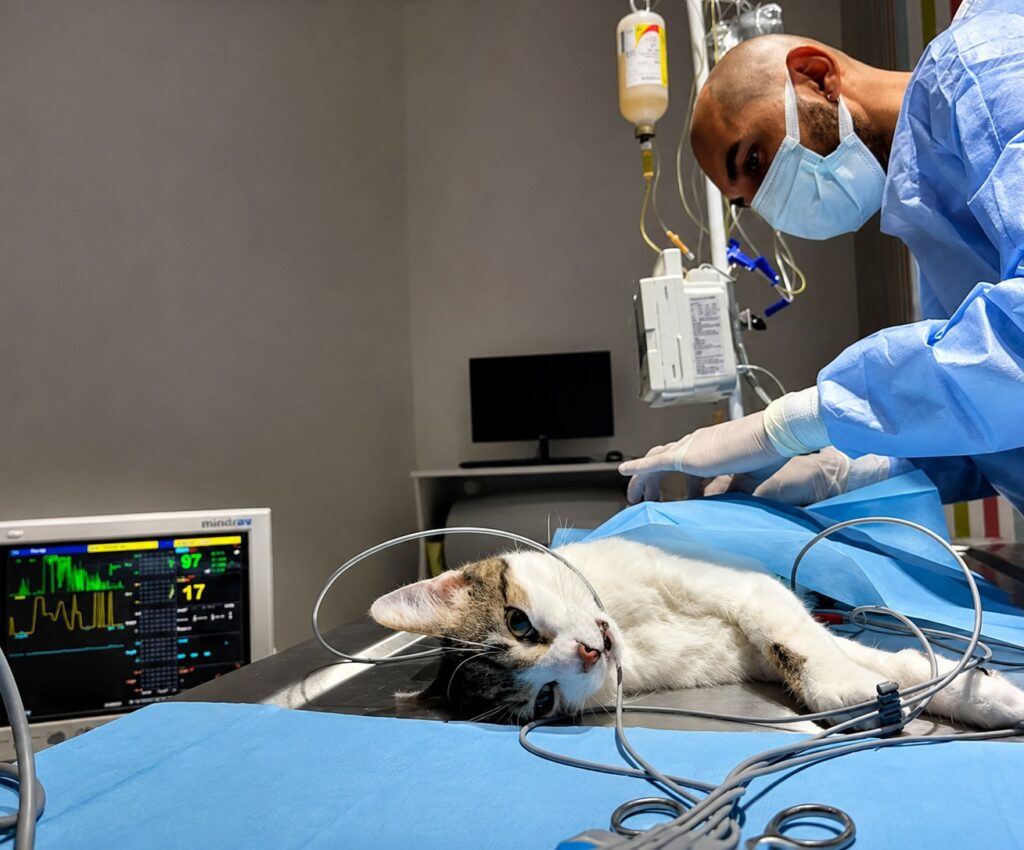
When a pet is stabilized at the emergency clinic and appears to be resting comfortably, it can be tempting to assume the hardest part is over. In many cases it is. But for a significant number of emergency conditions, the hours after initial treatment are just as critical as the moments of crisis that brought the animal in. Conditions that look stable can deteriorate without warning, and the changes that signal a turn for the worse often happen at night when owners are asleep and no professional is present at home.
Overnight pet care in a veterinary setting is not simply a precaution. For many conditions it is a clinical necessity, and understanding why makes it easier for owners to accept the recommendation rather than feeling anxious about leaving their pet behind. Knowing pet emergency signs every owner should know is the first step, but knowing what happens after those signs are addressed is equally important.
This guide explains which conditions commonly require extended overnight monitoring, what emergency care for pets looks like through the night and why the structure of an emergency pet hospital is designed the way it is.
Why Overnight Monitoring Exists in Veterinary Medicine
Emergency medicine for animals follows the same fundamental principle as human emergency medicine: stabilization is not the same as resolution. When a pet is brought in with a serious condition, the initial focus is on stopping the immediate threat. Fluid therapy is started for dehydration, oxygen is provided for respiratory distress, blood transfusions are given for severe anemia and surgical interventions stop bleeding. These interventions address the crisis.
What they do not always address are the secondary consequences that emerge in the hours that follow. A dog that was successfully resuscitated after internal bleeding may develop clotting abnormalities overnight. A cat that presented with seizures may seize again once the initial medication begins to wear off. A pet recovering from surgery may show early signs of surgical site infection, fluid accumulation or cardiac arrhythmia that are subtle at first but require prompt intervention if caught early. Without trained staff present to identify and respond to these developments, they can escalate before the owner even realizes something has changed.
This is precisely why emergency pet hospital facilities that provide overnight pet care are structured differently from daytime clinics. Staff are present throughout the night specifically to monitor vital signs, observe subtle behavioral changes and repeat diagnostics as needed. The goal is continuity of observation during the period of highest risk.
Conditions That Most Commonly Require Overnight Monitoring
Not every emergency visit results in an overnight stay. Straightforward lacerations, minor fractures that are casted and stable patients who have fully recovered from brief sedation may be discharged the same day with appropriate home care instructions. But a significant group of conditions require staying in an emergency pet hospital through the night, and understanding which these are helps owners prepare when the recommendation is made.
Post-Surgical Recovery
Surgery is one of the most common reasons a pet stays overnight. The immediate post-operative period carries risks including reactions to anesthesia, changes in heart rate and blood pressure, pain that needs adjusting, incision complications and fluid balance issues. Monitoring is most critical in the first 12 hours after a procedure. Pets that have undergone abdominal surgery, tumor removal or any procedure involving significant blood loss are particularly important to monitor through the night. For context on what surgical recovery involves, the guide on tumor removal surgery for pets outlines what the post-operative period looks like and why hospital observation during this window is so clinically important.
Internal Bleeding
A pet that arrives with suspected or confirmed internal bleeding and is stabilized with fluid therapy or a blood transfusion has not had the source of bleeding repaired unless surgery was performed. Even after surgical correction, the risk of rebleeding, clotting system failure and secondary anemia remains significant in the hours after intervention. Vital signs, red blood cell levels and abdominal assessments need to be repeated through the night to catch any deterioration early. The dog internal bleeding symptoms guide explains how rapidly these cases can change, which illustrates why continuous observation is not optional.
Severe Dehydration and Fluid Therapy Patients
Pets receiving intravenous fluids for severe dehydration require ongoing monitoring of their fluid balance, electrolyte levels and response to therapy. Too little fluid leaves the dehydration uncorrected. Too much fluid can cause complications in pets with heart or kidney disease. Adjusting the fluid rate based on how the pet is responding is a continuous process that requires clinical judgment through the night. Understanding how severe dehydration in pets is managed gives owners helpful context on why this is not something that can simply be started and left unattended.
Diabetic Ketoacidosis
Diabetic ketoacidosis is one of the most metabolically complex conditions managed in emergency medicine. Correcting the blood sugar, acid-base balance and fluid deficit simultaneously requires constant adjustment based on serial blood tests performed every few hours. Changes in blood glucose, potassium levels and organ function happen rapidly and in response to treatment itself, meaning a patient that looks better at midnight may need a significant change in their management by two in the morning. Both the diabetes in dogs and diabetes in cats resources describe the severity of ketoacidotic crises and why they represent one of the most intensive monitoring scenarios in emergency pet hospitals.
Seizures
A pet that arrives in active seizure or that has had a cluster of seizures within 24 hours requires overnight monitoring for recurrence. The period immediately following a seizure, called the postictal period, carries its own risks including respiratory compromise, hyperthermia and risk of a second seizure event. Medications used to stop seizures have duration limits, and their effect needs to be assessed continuously. Pets with known neurological conditions requiring emergency care should be monitored through the night rather than sent home once the immediate episode is controlled. For a broader view of what seizure presentations look like and why they require urgent attention, this guide on why a cat might collapse covers the neurological context in detail.
Toxin Ingestion
Many toxic substances have delayed effects that do not become apparent until hours after ingestion. Anticoagulant rodenticides, for example, do not cause visible bleeding for one to several days after ingestion, but early monitoring allows the veterinary team to assess clotting function and begin treatment before bleeding becomes clinically apparent. Other toxins affect the heart rhythm, kidneys or nervous system in ways that continue to evolve long after the pet initially appears stable. Reviewing the most common household hazards for pets helps owners understand the range of substances that can have these delayed effects.
Respiratory Emergencies
Pets with severe asthma, pneumonia, pleural effusion or other conditions affecting breathing require continuous monitoring because respiratory status can change rapidly. Oxygen therapy needs to be assessed for effectiveness and adjusted over time. A pet that is breathing adequately on supplemental oxygen may deteriorate quickly if that oxygen support is removed prematurely. Monitoring breathing rate, effort and oxygen saturation through the night is essential for these patients.
Parvovirus in Dogs
Dogs hospitalized for parvovirus require intensive overnight monitoring because the condition involves rapid fluid loss, protein depletion, risk of bacterial sepsis and blood sugar fluctuations, all of which worsen during the critical phase of illness. The dog parvovirus treatment guide explains why in-hospital care is so significantly more effective than outpatient management, and the overnight monitoring component is central to that difference.
Severe Anemia
Pets receiving blood transfusions for severe anemia require close monitoring for transfusion reactions, changes in red blood cell levels and signs of the underlying condition worsening. A single transfusion may be insufficient, and the decision about whether a second is needed is made based on repeat blood counts performed overnight. Understanding what are symptoms of anemia in dogs and warning signs of anemia in cats illustrates how severe these cases can be and why monitoring cannot be handed off to a concerned owner at home.
What Overnight Monitoring Actually Involves
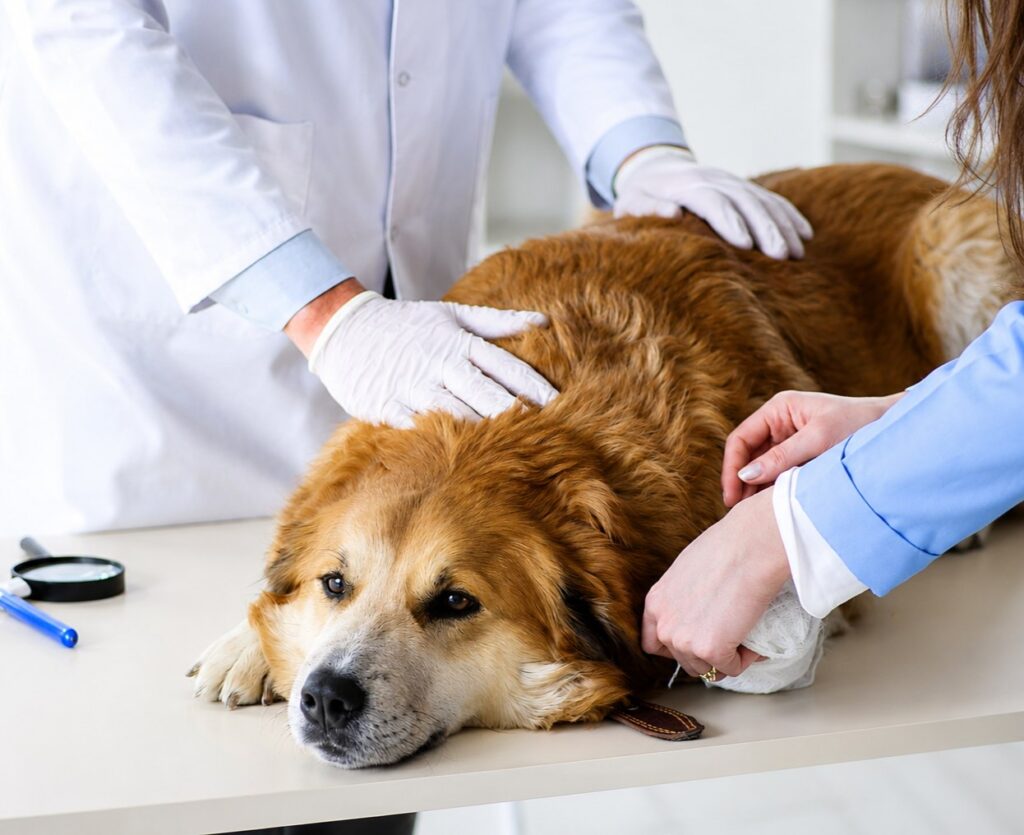
Owners who have never had a pet stay overnight at an emergency pet hospital often imagine their animal simply sleeping in a cage until morning. The reality is considerably more active.
Vital Sign Checks
Heart rate, respiratory rate, blood pressure, temperature and oxygen saturation are checked at regular intervals through the night, with the frequency determined by how critical the patient is. A patient on intravenous fluids receiving active management may be assessed every one to two hours. A more stable post-surgical patient may be assessed every two to four hours.
Serial Blood Work
For conditions affecting blood chemistry, such as diabetic ketoacidosis, kidney failure, poisoning and electrolyte disorders, blood samples are drawn multiple times overnight to track how values are changing in response to treatment. The results directly inform adjustments to fluid rate, medication dosing and overall management plan.
Pain Scoring and Comfort Assessment
Veterinary technicians trained in pain assessment evaluate hospitalized patients regularly to ensure their comfort level is appropriate and that pain management is working effectively. A patient that is more restless, more vocal or showing physiological signs of pain that were not present at the previous check will have their pain management reviewed and adjusted.
Wound and Surgical Site Monitoring
Post-surgical patients have their incisions assessed for signs of bleeding, swelling, discharge or dehiscence. Drains are monitored and measured. Any change from the expected appearance of the surgical site is documented and escalated to the attending veterinarian.
How Overnight Conditions Compare Across Common Emergencies
| Condition | Why Overnight Care Is Needed | Key Monitoring Points |
| Post-surgical recovery | Anesthesia recovery, pain, bleeding risk | Heart rate, blood pressure, incision, pain level |
| Internal bleeding | Risk of rebleeding, anemia progression | Red blood cell count, vital signs, abdomen |
| Diabetic ketoacidosis | Rapid metabolic shifts requiring adjustment | Blood glucose, electrolytes, acid-base balance |
| Seizures | Risk of recurrence, postictal complications | Neurological status, respiratory rate, temperature |
| Parvovirus | Fluid loss, protein depletion, sepsis risk | Fluid balance, blood sugar, protein levels |
| Toxin ingestion | Delayed effects, organ damage progression | Clotting times, kidney and liver values |
| Respiratory distress | Oxygen dependence, rapid change risk | Breathing rate and effort, oxygen saturation |
| Severe anemia | Transfusion adequacy, underlying condition | Red blood cell count, transfusion reaction signs |
What Owners Can Do During an Overnight Stay
Leaving a pet at an emergency pet hospital overnight is difficult for most owners, and the sense of helplessness is genuine. A few things can make the experience easier for both the owner and the pet.
Providing the admitting team with a complete history helps enormously. This includes the timeline of when symptoms began, any medications the pet currently takes, recent exposures to toxins or foreign objects and any relevant prior medical history. Accurate history leads to better initial care and more targeted monitoring.
Many emergency pet hospitals encourage owners to leave a worn item of clothing with their hospitalized pet because the familiar scent provides comfort and reduces stress. Asking the team what their preferred communication schedule is also helps manage overnight anxiety. Most facilities will contact owners immediately if there is any significant change in the pet’s condition and can provide an update call at an agreed time if the owner requests one.
Understanding the impact of delayed emergency care can also reframe the overnight stay from something that feels like a separation into something that makes clinical sense. The care happening through those hours is precisely why outcomes from serious emergencies are so much better when pets are monitored by trained professionals rather than observed at home.
When a Pet Health Checkup Becomes an Overnight Stay
Sometimes an overnight stay begins not as a planned admission but as the result of a routine or concern-prompted pet health checkup revealing something unexpected. A cat brought in for lethargy is found to have severe anemia. A dog presented for vomiting is diagnosed with an intestinal blockage needing surgery. The escalation from a checkup to overnight hospitalization can feel sudden and overwhelming, but it reflects the medical reality of what was found and what the pet needs.
In these situations, the emergency team will explain the reason for overnight monitoring, what they expect to learn from the night’s observations and what the anticipated timeline for discharge looks like. Most owners find the initial overnight stay is followed by a much clearer plan once morning diagnostics are reviewed.
Choosing the Right Emergency Pet Hospital
Not every veterinary facility offers true overnight pet care with continuous staffing. Some clinics are open for emergencies but transfer patients to another facility for overnight monitoring. When choosing where to seek emergency care for pets, it is worth asking whether the facility has staff present through the entire night or whether patients are alone between checks. Facilities providing 24-hour ICU care have staff present continuously and are equipped to respond to changes immediately rather than at set intervals.
North MS Pet Emergency operates on exactly this model, offering after-hours and 24-hour ICU weekend care for pets across North Mississippi, Northwest Alabama and Southwest Tennessee. Senior pets facing complex emergencies often benefit most from this level of continuous care, as outlined in the guide on senior pet health emergencies.
Overnight Care Is Part of Complete Emergency Medicine
Overnight pet care is not a commercial add-on or an upsell. It is a clinical tool built into the management of any condition where the first few hours of treatment are the highest-risk period. The decision to recommend it is always based on what the patient needs medically, not on convenience or routine.
At North MS Pet Emergency, we provide overnight pet care and 24-hour ICU weekend monitoring for dogs and cats facing serious conditions across our service area. Our team is present through the night to observe, adjust and respond so that owners can rest with the confidence that their pet is being watched by trained professionals. If your pet needs emergency care for pets tonight, do not wait until morning. Contact us immediately for evaluation and admission.
FAQs
Q: What does overnight pet care at an emergency pet hospital actually involve?
A: Overnight care includes regular vital sign monitoring, serial blood work, pain assessment, wound checks for surgical patients and medication adjustments. The frequency depends on the severity of the condition. A critical patient may be assessed every one to two hours throughout the night.
Q: Which conditions most commonly require overnight monitoring after emergency care for pets?
A: Post-surgical recovery, internal bleeding, diabetic ketoacidosis, seizures, parvovirus, severe anemia, toxin ingestion and respiratory emergencies are among the most common. These conditions carry significant risk of rapid change in the hours after initial stabilization.
Q: Is it safe to take my pet home instead of leaving them overnight?
A: For stable, low-risk presentations, yes. For serious conditions where vital signs or lab values may shift significantly overnight, home monitoring is not sufficient. Your emergency team will explain their recommendation based on the specific condition and the pet’s current status.
Q: Can I call during the night to check on my pet?
A: Most emergency pet hospitals have a preferred communication protocol. Ask the admitting team at drop-off what their policy is and when they will contact you if there are concerns. Many facilities can accommodate a scheduled overnight update call.
Q: How do I know if an emergency pet hospital has true overnight staffing?
A: Ask directly whether staff are present continuously throughout the night or whether patients are checked at intervals only. A true overnight ICU facility has trained veterinary staff present at all times rather than on-call from home.
Recent Posts
-
 What Does Xylitol Do to Dogs and Why It Becomes a Blood Sugar Emergency
 -
 What Happens if a Dog Eats Ibuprofen and When It Becomes an Emergency
 -
 Why Cats Suddenly Lose Use of Their Back Legs From a Blood Clot
 -
 Why Are Lilies Poisonous to Cats and How Fast Symptoms Can Appear
 -
 What Are the Signs of Pyometra in Dogs and Why It Cannot Wait