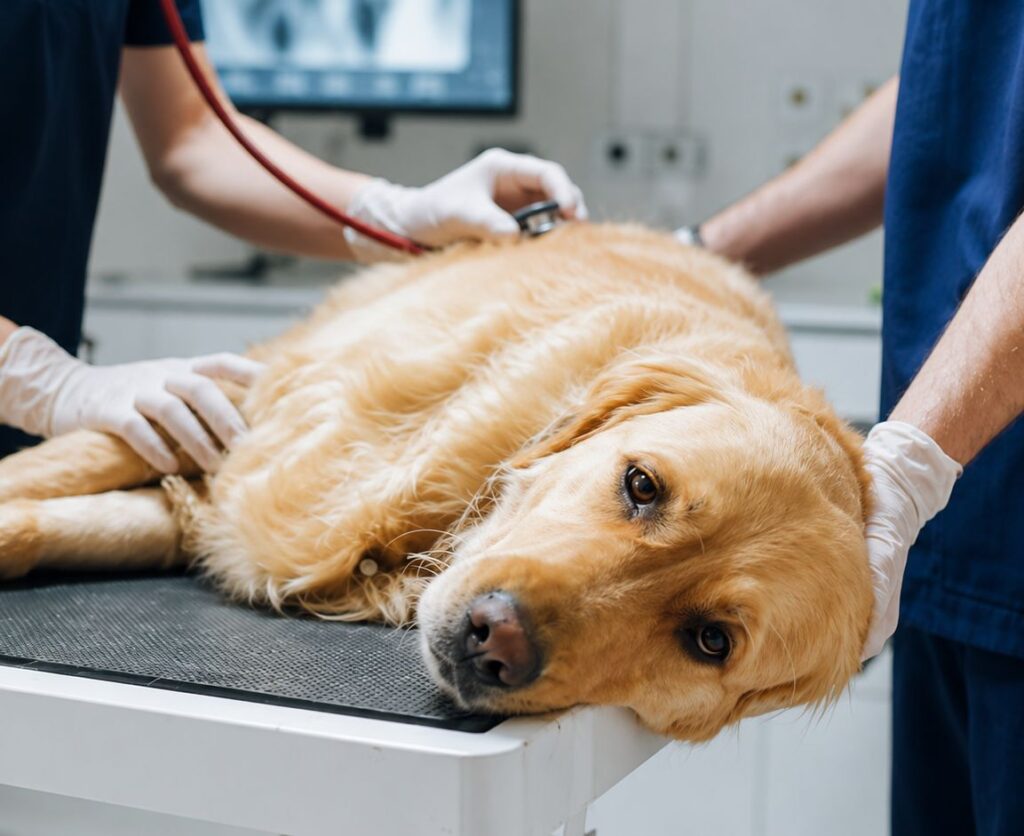
Dogs and cats explore the world with their mouths, which means they occasionally swallow things they should not. A chewed-up sock, a piece of string, a fragment of a toy or a corn cob from the trash. In many cases what goes in also comes out without incident. But when a swallowed object lodges somewhere along the digestive tract and cannot pass, the result is an intestinal blockage, a condition that moves from uncomfortable to life-threatening faster than most owners anticipate.
Recognizing the signs of intestinal blockage in pets early is one of the most protective things an owner can do. Many of the early symptoms overlap with milder gastrointestinal upsets, which is part of what makes this condition so easy to underestimate at first. Understanding what pet emergency signs every owner should know helps you distinguish between situations that can be monitored at home and those that cannot wait.
This guide covers what intestinal blockages are, what causes them, which signs to watch for at each stage, how they are diagnosed and when pet emergency treatment becomes urgently necessary.
What Is an Intestinal Blockage in Pets?
An intestinal blockage, also called a gastrointestinal obstruction, occurs when something prevents the normal passage of food, fluid and gas through the digestive tract. The obstruction can occur anywhere from the stomach through the small intestine or large intestine, and its location significantly affects which symptoms appear and how quickly the condition becomes dangerous.
Complete vs. Partial Obstruction
A complete obstruction blocks all passage entirely. Nothing can move past the site of the blockage, which causes rapid accumulation of gas and fluid above it. This is the more serious presentation and tends to cause severe, rapidly escalating symptoms. A partial obstruction allows some passage of fluid or small amounts of material past the blockage. Symptoms may be more intermittent, which makes partial obstructions easier to miss or attribute to a less serious cause. However, partial obstructions remain genuinely dangerous and can progress to complete obstruction or cause localized tissue damage over time.
Linear Foreign Bodies
One of the most dangerous types of intestinal obstruction involves what veterinarians call a linear foreign body. This occurs when a long thin object such as string, ribbon, tinsel or a hair tie is swallowed. One end anchors at the base of the tongue or at the pylorus of the stomach while the rest trails into the intestine. As the intestine attempts to push the object forward, it bunches and plicates around the linear material. The cutting action of the taut string against the intestinal wall can cause perforation and peritonitis rapidly. Cats are particularly prone to this type of foreign body ingestion. Any cat or dog seen playing with or chewing on string, ribbon or thread should be monitored closely, and if the object disappears a veterinary evaluation is warranted even if the pet seems well.
Common Causes of Intestinal Blockage in Pets
Swallowed Foreign Objects
Foreign body ingestion is the most common cause of intestinal obstruction, particularly in young dogs. Items frequently retrieved from obstructed pets include socks, underwear, corn cobs, bones, rubber balls, rawhide chews and children’s toys. Cats more commonly ingest string, hair ties, ribbon and small toy components. Items with irregular shapes or the ability to absorb fluid and swell are particularly likely to cause problems. Reviewing the most common household hazards for pets highlights many of the items commonly found in homes that pose this kind of swallowing risk.
Tumors
Masses growing within or adjacent to the intestinal wall can narrow the lumen of the intestine progressively, eventually causing partial or complete obstruction. This form tends to develop more gradually, and pet gastrointestinal health changes may be subtle over weeks before a clear crisis develops.
Intussusception
Intussusception is a condition in which one segment of intestine telescopes into the adjacent segment, effectively folding inside itself and creating a blockage. It occurs most commonly in young animals, often following intestinal inflammation caused by a viral or parasitic infection such as parvovirus in dogs. An intussusception cuts off blood supply to the affected intestinal segment and requires prompt surgical correction.
Hernias
In some cases, a portion of the intestine becomes trapped within a hernia, which is an abnormal opening in the body wall. If the trapped intestine has its blood supply compromised, this is a strangulated hernia and constitutes a surgical emergency requiring immediate intervention.
Signs of Intestinal Blockage in Pets
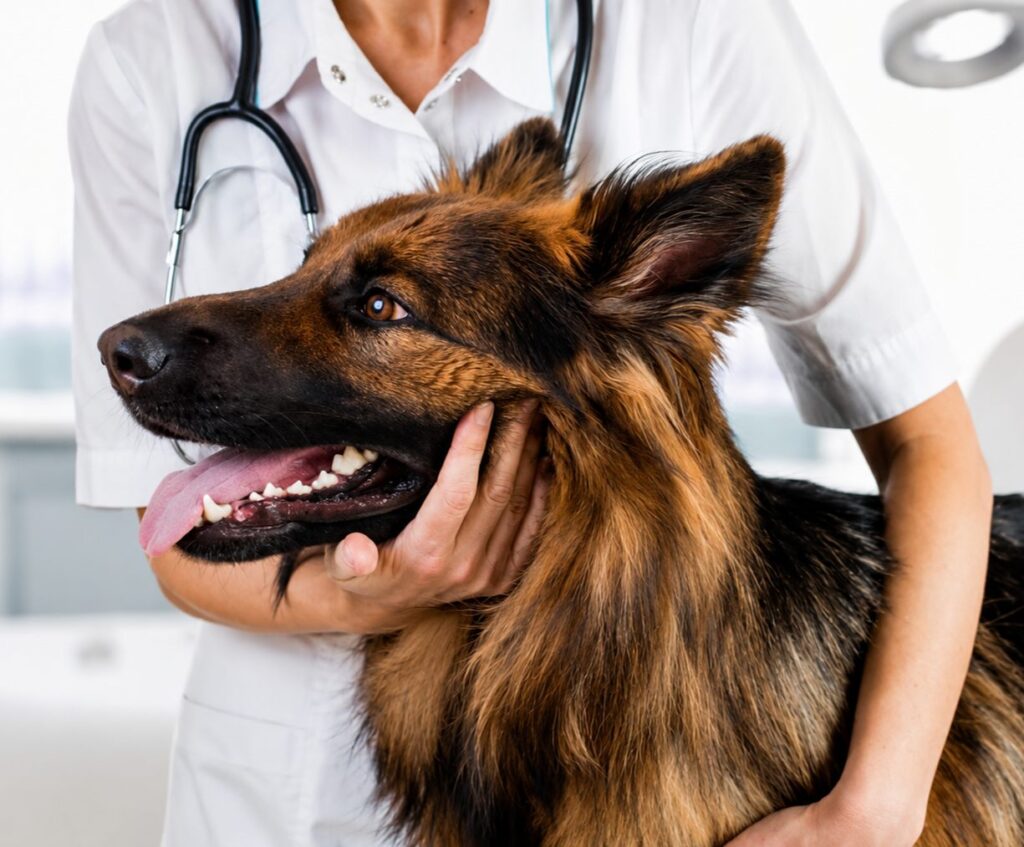
The signs of intestinal blockage in pets vary depending on where the obstruction is located, whether it is complete or partial and how long it has been present. Knowing the full range of what to watch for prevents owners from waiting too long on a symptom that appears minor in isolation.
Vomiting
Vomiting is the most consistent and prominent sign of intestinal obstruction in both dogs and cats. In a complete obstruction, vomiting tends to be frequent, forceful and persistent. The vomit may initially contain food and then transition to bile as the stomach empties. In an obstruction located in the stomach or high small intestine, vomiting typically begins soon after eating or drinking. Vomiting that recurs multiple times within a few hours, continues beyond 24 hours or contains blood should always prompt veterinary evaluation. For context on when gastrointestinal symptoms require emergency care, the guide on how to deal with severe vomiting and diarrhea in pets is a useful companion resource.
Loss of Appetite
A pet with an intestinal obstruction typically loses interest in food rapidly. This is particularly significant in cats, for whom even 24 to 48 hours without eating can trigger hepatic lipidosis, a secondary liver condition. Any cat refusing food for more than a day should be evaluated promptly regardless of what other symptoms are or are not present.
Abdominal Pain and Distension
Gas and fluid accumulate above a blockage and cause the abdomen to distend. Owners may notice the belly looks rounder or feels tighter than normal. The pet may show discomfort when the abdomen is touched, adopt a hunched posture or be reluctant to move. Some dogs assume a classic prayer position with the front end lowered and the back end raised, which is a recognized sign of abdominal discomfort. If the abdomen appears severely distended alongside vomiting and distress, this may also indicate stomach bloat, which requires its own emergency evaluation. The resource on how to handle pet stomach bloat explains that condition and how to distinguish it from other causes of abdominal swelling.
Lethargy and Weakness
Progressive lethargy accompanies most intestinal obstructions as the condition worsens. A pet that is normally energetic may become increasingly withdrawn, reluctant to move and unresponsive to usual activities. The lethargy deepens as fluid and electrolyte losses worsen from ongoing vomiting.
Absence of Defecation
A complete obstruction prevents any material from passing through to the colon, meaning the pet stops producing stools. In a partial obstruction, stools may become small and infrequent. An owner who notices a pet has not defecated for more than 24 to 48 hours alongside other symptoms listed here should include intestinal obstruction among the possible causes and seek veterinary evaluation.
Diarrhea
In some cases of partial obstruction or early obstruction, diarrhea rather than absence of stool may occur. This happens because fluid passes around the obstructing material while solid matter cannot. Bloody diarrhea is particularly concerning and suggests the intestinal wall is being damaged by the obstruction.
Signs Specific to Linear Foreign Bodies
When a linear foreign body is involved, cats may be seen pawing at their mouth, have difficulty swallowing or show visible string under the tongue. Never pull on a string or thread visible under a cat’s tongue or protruding from the rectum. Pulling can tighten the plication and cause intestinal perforation. Take the pet to a veterinarian immediately.
Red Flags vs. Monitor at Home: When to Act
| Symptom or Situation | Appropriate Response |
| Single vomiting episode, eating normally | Monitor for 12 to 24 hours |
| Vomiting two or more times within a few hours | Veterinary evaluation same day |
| Vomiting with blood or bile | Emergency veterinary care |
| Known foreign object ingested, pet symptomatic | Emergency veterinary care |
| Cat not eating for more than 24 hours | Veterinary evaluation same day |
| Abdominal distension with pain or collapse | Emergency veterinary care immediately |
| String visible in mouth or protruding rectally | Emergency veterinary care, do not pull |
| No stool for 24 to 48 hours with vomiting | Emergency veterinary care |
| Mild soft stools, alert and eating normally | Monitor and call vet for guidance |
The Risk of Intestinal Perforation and Peritonitis
The most serious complication of untreated intestinal obstruction is perforation of the intestinal wall followed by peritonitis, an infection and inflammation of the abdominal cavity. When the intestinal wall is deprived of blood supply due to pressure from the obstruction or cutting from a linear foreign body, the tissue dies and bacteria leak into the abdomen.
Peritonitis causes rapid and severe deterioration. A pet with peritonitis may show sudden worsening of all symptoms, a rigid painful abdomen, pale gums and collapse. This is among the most urgent presentations in small animal emergency medicine and requires immediate surgical intervention. The timeline from obstruction to perforation can be as short as 24 to 48 hours in complete obstruction cases, which is why the impact of delayed emergency care is so significant with this condition.
Could It Be Pet Food Poisoning?
Owners sometimes mistake the early signs of intestinal obstruction for pet food poisoning, as both conditions cause vomiting, lethargy and loss of appetite. The distinction matters because pet food poisoning typically causes diarrhea alongside vomiting and tends to improve within 24 hours once the offending food is removed, while intestinal obstruction causes persistent vomiting without improvement and does not always produce diarrhea. Reviewing recognizing pet food poisoning symptoms can help you consider both possibilities, but when in doubt, veterinary evaluation is always the safest course regardless of which cause you suspect.
How Is Intestinal Blockage Diagnosed?
Physical Examination
A thorough physical exam including careful palpation of the abdomen is the first step. An experienced veterinarian can often feel abnormal masses, gas accumulation or areas of pain that suggest obstruction. In cats, a linear foreign body under the tongue may be identified during the oral examination.
Imaging
Abdominal X-rays are typically the first imaging step and can reveal accumulation of gas and fluid above an obstruction, the outline of a radio-opaque foreign body and abnormal gas distribution patterns suggesting ileus. However, not all foreign bodies are visible on X-rays. Plastic objects, fabric and rubber may not be detectable without contrast studies or ultrasound. Abdominal ultrasound is particularly valuable for identifying soft foreign material, evaluating intestinal wall integrity and looking for signs of perforation or intussusception.
Blood Work
A complete blood count and blood chemistry panel assess the severity of fluid and electrolyte losses, check for signs of infection and evaluate organ function. These results guide surgical and anesthetic risk assessment and help determine how aggressively the patient needs to be stabilized before surgery.
Pet Emergency Treatment for Intestinal Blockage
Stabilization
Before surgery, the pet needs intravenous fluid therapy to correct dehydration and electrolyte imbalances caused by vomiting and fluid accumulation. Pain management and anti-nausea support improve comfort and readiness for anesthesia. Because vomiting-related fluid loss can be severe, understanding how the veterinary team approaches severe dehydration in pets provides helpful context on why stabilization before surgery is such an important step.
Surgery
The definitive pet emergency treatment for most intestinal obstructions is surgical intervention. A foreign body in the stomach may be removed through a gastrotomy incision in the stomach wall. A foreign body in the small intestine requires an enterotomy to open the intestinal wall and retrieve the object. If a segment of intestine has been damaged beyond viability, that segment must be removed and the healthy ends rejoined in a procedure called intestinal resection and anastomosis. Linear foreign bodies require particularly careful surgical management to avoid worsening the intestinal plication during removal.
Post-Surgical Recovery
Recovery requires hospitalization for monitoring, continued fluid therapy and gradual reintroduction of food. The surgical site is monitored for signs of dehiscence or leakage during the critical post-operative period. Most uncomplicated cases are discharged within two to four days, with dietary restrictions and activity limitations continuing at home for one to two weeks.
Protecting Your Pet’s Gastrointestinal Health
Prevention begins with awareness. Keeping potential foreign objects out of reach reduces risk significantly. This includes securing laundry, keeping small household items off the floor, disposing of food waste securely and being cautious with string, ribbon and yarn around cats. Dogs with a known tendency to chew and swallow inappropriate items need closer supervision and more durable chew options. If your pet is ever seen swallowing a foreign object and you are unsure whether it is small enough to pass safely, contact a veterinarian rather than waiting to see what happens. Protecting your pet’s gastrointestinal health long-term also means keeping up with parasite prevention, appropriate diet and routine veterinary care that can catch developing issues before they become obstructions.
At North MS Pet Emergency, we provide after-hours and weekend pet emergency treatment for dogs and cats with gastrointestinal obstructions and other acute abdominal conditions. Our team has the diagnostic imaging and surgical capabilities to evaluate and treat intestinal blockages quickly. If your pet is vomiting repeatedly, refusing food or showing signs of abdominal pain, do not wait. Contact us immediately for emergency evaluation.
FAQs
Q: What are the earliest signs of intestinal blockage in pets?
A: Repeated vomiting, loss of appetite and increasing lethargy are the most common early signs. Abdominal discomfort may also appear. These signs can develop within hours of ingesting a foreign object and should prompt veterinary evaluation rather than a wait-and-see approach.
Q: How long can a pet survive with an intestinal blockage?
A: A complete obstruction can become life-threatening within 24 to 48 hours due to tissue death and intestinal perforation risk. Partial obstructions may persist longer but still require treatment. Any suspected obstruction with symptoms warrants same-day or emergency veterinary evaluation.
Q: Can an intestinal blockage resolve on its own?
A: Small smooth objects sometimes pass without intervention. However, a pet showing vomiting and lethargy indicates the object is not passing freely. Waiting out a symptomatic obstruction risks intestinal perforation and peritonitis, both far more dangerous than early surgical intervention.
Q: Is intestinal blockage the same as pet food poisoning?
A: No, though both cause vomiting and lethargy. Pet food poisoning typically resolves within 24 hours and often includes diarrhea. Intestinal blockage causes persistent vomiting that does not improve.
Q: What should I do if I see string hanging from my cat’s mouth or rear end?
A: Do not pull on it. Pulling a linear foreign body can lacerate or perforate the intestine. Take your cat to an emergency veterinarian immediately, even if the cat appears comfortable. This is always a situation that requires professional assessment without delay.
Recent Posts
-
 Why Cats Suddenly Lose Use of Their Back Legs From a Blood Clot
 -
 Why Are Lilies Poisonous to Cats and How Fast Symptoms Can Appear
 -
 What Are the Signs of Pyometra in Dogs and Why It Cannot Wait
 -
 How To Recognize Warning Signs In A Pet In Pregnancy
 -
 Why Some Pet Emergencies Require Overnight Pet Care And Monitoring