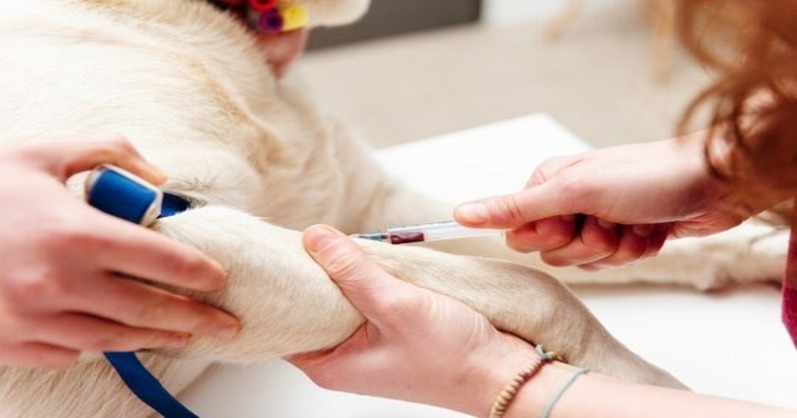
Most pet owners know that blood transfusions are a lifesaving medical procedure for people, but far fewer are aware that the same procedure is available for dogs. When a dog loses significant blood rapidly, develops severe anemia or suffers from a condition that destroys red blood cells faster than the body can replace them, a blood transfusion may be the only intervention that stabilizes them quickly enough to allow other treatments to work. Understanding whether and how dogs can get blood transfusions, what the process involves and when this level of emergency vet for dogs care becomes necessary helps owners feel more informed when they encounter this situation.
Can Dogs Get Blood Transfusions?
Yes, dogs can receive blood transfusions, and veterinary transfusion medicine has advanced considerably over the past two decades. Canine blood transfusions are a recognized and well-established component of emergency and critical care veterinary practice. They are used to treat life-threatening anemia, significant blood loss from trauma or surgery, clotting disorders and several other serious conditions that affect the blood.
The procedure shares the same fundamental principle as human transfusions: compatible donor blood is administered to a recipient whose own blood can no longer sustain adequate oxygen delivery or clotting function. However, there are meaningful differences in how canine transfusion medicine is organized and practiced compared to what most people experience in human healthcare.
How Is a Dog Blood Transfusion Different from a Human One?
Blood Types in Dogs
Dogs have a more complex blood type system than humans. The major canine blood group system is called the Dog Erythrocyte Antigen system, commonly abbreviated as DEA. There are multiple DEA types, and the most clinically significant is DEA 1, which is also sometimes described as having positive or negative variants similar to the Rh factor in human blood.
Unlike humans, dogs do not have naturally occurring antibodies against other blood types from birth. This means a dog receiving its very first blood transfusion will generally not experience a severe immediate transfusion reaction even if the blood type is not perfectly matched. However, after a first transfusion, the dog’s immune system may form antibodies against donor antigens. A second transfusion with incompatible blood can then trigger a significant and potentially dangerous transfusion reaction. For this reason, blood typing and crossmatching are performed before transfusions whenever the dog’s transfusion history is known or uncertain.
Blood Donors
Canine blood donors are typically healthy adult dogs that meet specific criteria for age, weight, temperament and health screening. Some veterinary referral hospitals and blood banks maintain donor programs with carefully screened dogs. In emergency settings where matched banked blood is not immediately available, on-site donor dogs may be used or clinics may work with regional veterinary blood banks.
Donor dogs are tested for infectious diseases that can be transmitted through blood, including tick-borne pathogens. They are blood typed, and their health is monitored regularly to ensure ongoing eligibility. The donation process for dogs is performed under light sedation or with appropriate handling and is safe when done by trained veterinary staff.
Blood Products Available for Dogs
Canine patients can receive different blood products depending on what specific component they need, which mirrors the component therapy approach used in human medicine.
Whole blood contains red blood cells, white blood cells, plasma, platelets and clotting factors all together. It is used when a patient needs multiple components urgently, particularly in acute severe hemorrhage.
Packed red blood cells are red blood cells that have been separated from the plasma. They are used specifically to treat anemia when the primary need is increasing red blood cell count and oxygen-carrying capacity without adding large volumes of fluid.
Fresh frozen plasma contains clotting factors and proteins but no red blood cells. It is used to treat clotting disorders such as those caused by anticoagulant rodenticide poisoning, where the clotting system is impaired but the red blood cell count is not critically low.
Platelet-rich products are used less frequently but are available through specialty centers for dogs with severely low platelet counts or platelet dysfunction.
When Does a Dog Need a Blood Transfusion?
A dog blood transfusion is not used for mild or moderate conditions. It is a significant medical intervention reserved for situations where the animal’s life is at immediate risk and less intensive measures are not sufficient.
Severe Anemia
Anemia, meaning a critically low red blood cell count, is the most common reason a dog receives a blood transfusion. When the packed cell volume, which is the percentage of blood made up of red blood cells, falls to a level at which the body can no longer deliver adequate oxygen to vital organs, a transfusion becomes necessary to prevent organ failure.
Anemia severe enough to require a transfusion can result from immune-mediated hemolytic anemia, in which the immune system destroys the dog’s own red blood cells, from severe bone marrow disease, from toxin-induced red blood cell destruction or from significant blood loss. Understanding the full picture of what are symptoms of anemia in dogs is essential context for recognizing when this level of intervention may be needed.
Significant Blood Loss
Trauma, internal hemorrhage from ruptured tumors or organs, gastrointestinal bleeding and surgical blood loss can all cause acute blood loss that threatens survival. In these cases a transfusion replaces the lost red blood cells quickly enough to maintain cardiovascular stability while the underlying cause of bleeding is addressed. Dogs presenting with pale gums, rapid weak pulse and collapse following trauma are among those who may need transfusion support urgently. Learn more about recognizing these situations in the guide on dog internal bleeding symptoms.
Clotting Disorders
Blood disorders in dogs that affect the clotting system rather than red blood cells are treated with plasma transfusions rather than packed red blood cells. Anticoagulant rodenticide toxicity, one of the more common acquired clotting disorders seen in dogs, depletes the clotting factors needed to stop bleeding. A dog that has ingested this type of poison may bleed into body cavities, joints or under the skin, and fresh frozen plasma provides the clotting factors needed to restore normal hemostasis while the body clears the toxin. For context on this and other toxic threats, the resource on the most common household hazards for pets is a useful reference.
Surgical Support
Some dogs undergoing major surgery, particularly those with pre-existing anemia or those expected to experience significant intraoperative blood loss, receive transfusions as part of the surgical management plan. This is typically planned in advance rather than being an emergency response.
What Does the Transfusion Process Look Like?
Pre-Transfusion Assessment
Before a transfusion is given, the veterinary team performs a physical assessment and blood tests to confirm the diagnosis, determine the severity of the anemia or blood loss and assess organ function. Blood typing and crossmatching are performed when the dog’s history allows for it.
A crossmatch test mixes small amounts of donor and recipient blood to look for immune reactions before the full transfusion is administered. This helps identify incompatibilities that might not be apparent from blood typing alone and is particularly important in dogs that have received previous transfusions.
Administration
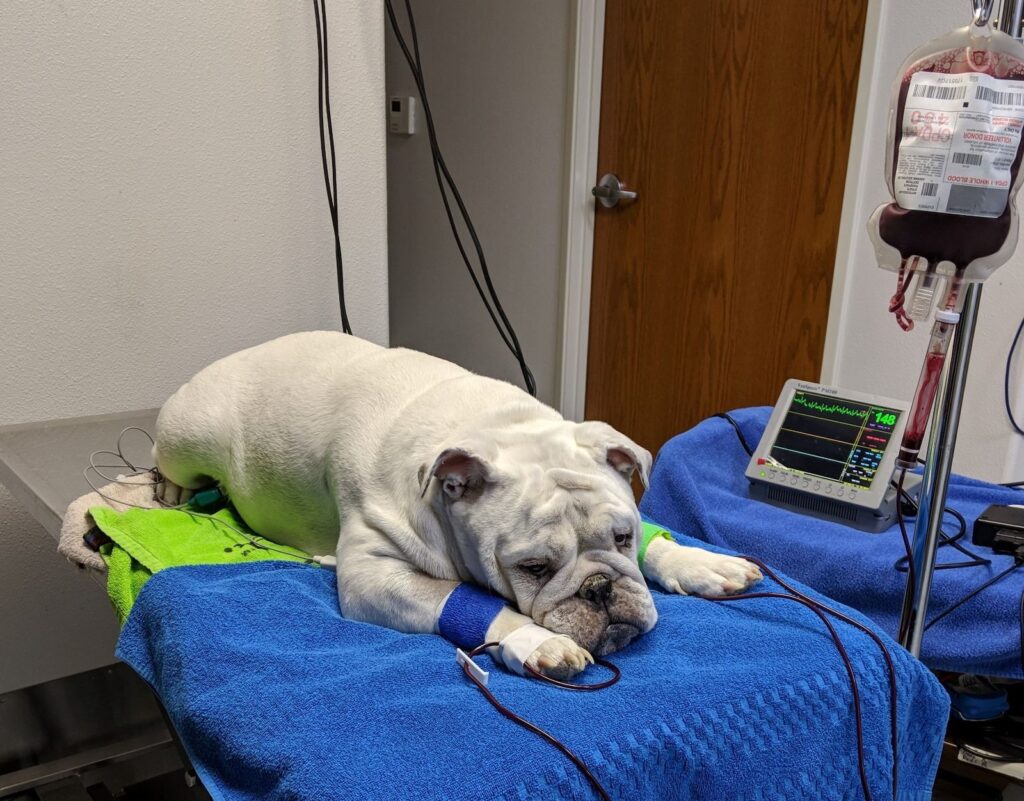
The transfusion is delivered through an intravenous catheter, most commonly placed in a front leg vein. The blood product is administered slowly at first and the dog is monitored closely for signs of a transfusion reaction during the initial period. If no reaction is observed, the rate is gradually increased. A typical packed red blood cell transfusion takes several hours to administer safely.
Throughout the transfusion, the team monitors vital signs including heart rate, respiratory rate, temperature and blood pressure. The dog is observed for shivering, facial swelling, vomiting, hives or sudden changes in breathing, all of which can indicate a reaction requiring the transfusion to be paused or stopped.
Post-Transfusion Monitoring
After the transfusion is complete, blood work is repeated to assess whether the packed cell volume has risen to an acceptable level and to evaluate organ function. The dog continues to be monitored in a hospital setting because the benefit of a transfusion, while immediate and significant, is temporary. Red blood cells from a transfusion survive in the recipient for a period of weeks, not permanently. The goal of the transfusion is always to buy time for the underlying condition to be treated so the dog’s own blood production can eventually sustain normal function.
Risks and Limitations of Canine Blood Transfusions
Transfusion Reactions
Transfusion reactions range from mild to severe. Mild reactions include low-grade fever, hives and brief vomiting that resolve when the transfusion rate is slowed. Severe reactions involving significant hemolysis, respiratory distress or cardiovascular collapse are uncommon but do occur, particularly in dogs with prior sensitization. The veterinary team is trained to recognize and respond to these reactions promptly.
Availability
Unlike in human medicine where regional blood banks are widely accessible, canine blood products are not always immediately available at every veterinary facility. Emergency vet for dogs clinics that handle critically ill patients typically maintain or have access to blood products, but availability can vary. This is one of the reasons having access to an emergency vet for dogs with critical care capabilities matters when a dog is severely anemic or hemorrhaging.
Temporary Effect
A transfusion stabilizes the patient but does not resolve the underlying cause of the blood loss or red blood cell destruction. If the primary disease, such as immune-mediated hemolytic anemia or a bleeding tumor, is not addressed, the patient will simply become anemic again. The transfusion provides a critical window of stability during which definitive diagnosis and treatment can occur.
Blood Disorders in Dogs That Commonly Lead to Transfusion
| Condition | Blood Product Used | Urgency |
| Immune-mediated hemolytic anemia | Packed red blood cells | Often emergency |
| Anticoagulant rodenticide toxicity | Fresh frozen plasma | Often emergency |
| Ruptured splenic tumor with blood loss | Whole blood or packed red cells | Surgical emergency |
| Chronic bone marrow disease | Packed red blood cells | Urgent, may be planned |
| Major trauma with hemorrhage | Whole blood or packed red cells | Emergency |
| Gastrointestinal bleeding | Packed red blood cells | Urgent to emergency |
Blood disorders in dogs that require transfusion support are among the more serious conditions in veterinary medicine, and outcomes are significantly improved by reaching emergency vet for dogs care early in the deterioration process. Understanding why pale gums in dogs are an emergency and recognizing them as a prompt to seek emergency care immediately rather than waiting can be lifesaving in these situations.
When to Contact an Emergency Vet for Dogs
If your dog is showing any combination of pale or white gums, sudden collapse or weakness, rapid breathing at rest, a distended abdomen, suspected trauma or known toxin ingestion, these are signs that urgent care is needed without delay. These presentations may indicate that a transfusion will be part of the treatment plan, and the faster the dog reaches a clinic equipped to provide it, the better the outcome.
Understanding the impact of delayed emergency care explains in clear terms why the time between recognizing these signs and arriving at a clinic matters so significantly in conditions involving blood loss and severe anemia.
What Every Owner Should Know
Blood transfusions for dogs are a well-established, effective and genuinely lifesaving intervention. They are not experimental, they are not reserved for specialist hospitals only and they are more accessible than many owners realize. The answer to can dogs get blood transfusions is a clear yes, and knowing this as an owner means you can ask the right questions and advocate for the right level of care when your dog needs it most.
At North MS Pet Emergency, we provide after-hours and weekend emergency vet for dogs services including critical care for dogs experiencing severe anemia, hemorrhage and blood disorders requiring transfusion support. If your dog is showing signs of a blood emergency, do not wait. Contact us immediately for emergency evaluation and treatment.
FAQs
Q: Can dogs get blood transfusions from any other dog?
A: Not ideally. Dogs have multiple blood types, and compatibility matters especially for dogs that have received prior transfusions. Blood typing and crossmatching are performed before transfusions to reduce reaction risk. Emergency situations sometimes require transfusion before full typing is complete.
Q: How long does a dog’s blood transfusion take?
A: A typical packed red blood cell transfusion takes between four and six hours when administered at a safe rate. The initial period is slower to watch for reactions. Plasma transfusions may be given more quickly depending on the clinical situation and the dog’s stability.
Q: What are the signs of a transfusion reaction in dogs?
A: Signs include shivering, facial swelling, hives, vomiting, sudden changes in breathing or rapid heart rate during or shortly after the transfusion. The veterinary team monitors for these continuously and will pause or stop the transfusion if a reaction occurs.
Q: How long does the benefit of a blood transfusion last in dogs?
A: Transfused red blood cells survive in the recipient’s circulation for approximately three to four weeks. The transfusion buys time for treatment of the underlying condition rather than providing a permanent fix. Ongoing monitoring and treatment of the root cause are essential.
Q: Are blood transfusions available at emergency vets for dogs?
A: Many emergency vet for dogs clinics stock or have access to blood products for critical cases. Not every facility has the same inventory, so calling ahead to describe your dog’s condition helps the team prepare. Clinics with intensive care capabilities are the most likely to have transfusion resources available.
Recent Posts
-
 What Are the Signs of Pyometra in Dogs and Why It Cannot Wait
 -
 How To Recognize Warning Signs In A Pet In Pregnancy
 -
 Why Some Pet Emergencies Require Overnight Pet Care And Monitoring
 -
 Understanding Tumor Removal Surgery for Pets and What It Involves
 -
 Early Signs of Intestinal Blockage in Pets You Shouldn’t Ignore