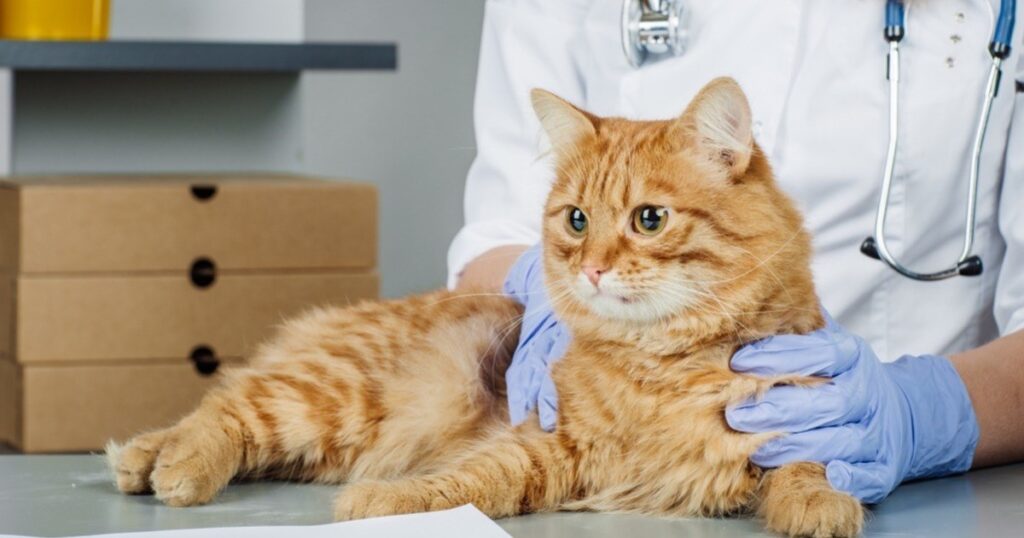
Cats are masters at hiding illness, and diabetes is no exception. Many owners look back after a diagnosis and realize the signs had been building quietly for weeks or even months before anything seemed obviously wrong. Understanding what are the symptoms of diabetes in a cat and knowing which changes in daily behavior deserve a veterinary call can make the difference between catching the condition early and managing it well, versus dealing with a crisis that developed because the early signals were missed.
Feline diabetes is one of the most manageable chronic conditions in cats when diagnosed in time. This guide explains what diabetes means for a cat’s body, the full range of cat diabetes symptoms from subtle to serious and what happens when the condition progresses without treatment.
What Is Feline Diabetes?
Diabetes mellitus is a condition in which the body loses the ability to regulate blood glucose effectively. In a healthy cat, the pancreas produces insulin, a hormone that allows glucose absorbed from food to enter cells throughout the body where it is converted into energy. When insulin production becomes insufficient or the body’s cells stop responding to insulin properly, glucose accumulates in the bloodstream while the cells remain effectively starved of energy.
How Feline Diabetes Differs from Diabetes in Dogs
The mechanism of diabetes in cats more closely resembles type 2 diabetes in people. While dogs primarily lose the ability to produce adequate insulin, cats more often develop a combination of reduced insulin secretion and insulin resistance, a state in which the body’s cells fail to respond normally to the insulin that is produced. This distinction matters because it means some cats, particularly those diagnosed early and managed with appropriate diet and treatment, can achieve diabetic remission, a state where blood sugar normalizes and insulin therapy is no longer required. This is rarely seen in dogs.
Obesity is the single most significant risk factor for feline diabetes, and it directly contributes to insulin resistance. Middle-aged to older male cats are overrepresented in diabetes diagnoses, and certain breeds including Burmese cats have a documented higher genetic predisposition.
What Are the Symptoms of Diabetes in a Cat?
The classic cat diabetes symptoms arise because the body is unable to use glucose for energy and begins compensating in ways that create observable changes in behavior, appetite and elimination habits.
Excessive Thirst
Excessive thirst in cats, also called polydipsia, is one of the earliest and most consistent signs of feline diabetes. When blood glucose rises above the kidney’s reabsorption threshold, glucose spills into the urine, drawing water with it through osmosis. This increased urinary water loss creates genuine dehydration, which drives the cat to drink far more than usual.
Owners typically notice this as a cat returning repeatedly to the water bowl, seeking water from unusual sources like dripping taps, or drinking so frequently that the water bowl needs to be refilled noticeably more often than before. Any cat showing a sustained increase in water consumption warrants a veterinary evaluation, as excessive thirst in cats points toward diabetes, kidney disease or several other conditions that all benefit from early diagnosis. The connection between this symptom and kidney disease is explored in more detail in this guide on what can cause kidney failure in cats.
Increased Urination
Increased urination, or polyuria, occurs as a direct consequence of the glucose spilling into the urine. Because glucose draws water into the renal tubules, the cat produces much larger volumes of urine than normal. Owners often notice the litter box is wetter than usual, needs changing more frequently or that the cat is spending more time in the litter box. Some cats begin urinating outside the box when the frequency or urgency becomes difficult to manage.
Increased Appetite with Weight Loss
One of the more puzzling cat diabetes symptoms for owners is a cat that seems to be eating more than ever but continues to lose weight. This paradox occurs because, without functional insulin signaling, the cells cannot access glucose from food regardless of how much the cat eats. The body interprets this cellular energy starvation as a signal to increase appetite while simultaneously breaking down fat and muscle tissue as alternative fuel sources. The result is a cat that is hungry, eating, and still losing weight progressively.
Weight Loss and Muscle Wasting
Progressive weight loss is one of the most visibly noticeable cat diabetes symptoms over time. As the body continues burning through fat and muscle mass to compensate for its inability to use glucose, owners begin to notice the cat feels bonier when picked up, the spine and hip bones become more prominent and the overall body condition score declines despite adequate or even increased food intake. Muscle wasting is particularly visible along the spine and hindquarters in cats.
Lethargy and Reduced Activity
A cat with uncontrolled feline diabetes is effectively energy-deprived at the cellular level, which produces persistent tiredness and reduced engagement with normal activities. Owners may notice the cat sleeping more than usual, showing less interest in play, grooming less thoroughly or simply appearing flat and subdued compared to its normal personality. This kind of fatigue is distinct from the occasional tiredness that follows a busy day and tends to be consistent and progressive.
Plantigrade Stance
A plantigrade stance is a distinctive and specific sign of diabetic neuropathy in cats, meaning nerve damage caused by prolonged elevated blood glucose. In a normal cat, the hind limbs are raised so the cat walks on its toes. In a cat with diabetic neuropathy, weakness in the hind limb nerves causes the cat to drop its hocks toward the ground, effectively walking flat-footed on the back legs. This gives the appearance of a crouched, low-to-the-ground hind end posture and a noticeably abnormal gait.
Plantigrade stance is one of the more advanced cat diabetes symptoms and indicates that blood glucose has been poorly controlled for long enough to cause nerve damage. In many cats, this complication is partially to fully reversible with good glucose control, but recovery takes time and is not guaranteed.
Poor Coat Condition
Cats are meticulous groomers, and a decline in coat quality is often one of the earliest subtle signs that something is wrong. A diabetic cat may develop a dull, unkempt or greasy-feeling coat as the metabolic disruption of diabetes affects skin and hair follicle health and as declining energy makes grooming feel like too much effort.
Vomiting and Decreased Appetite
As feline diabetes progresses without treatment, a cat that was previously eating ravenously may begin to lose interest in food altogether. Vomiting may develop, and the cat may appear increasingly withdrawn and unwell. This shift from increased appetite to decreased appetite often signals that the disease is progressing toward a more serious state.
Diabetic Ketoacidosis in Cats
When feline diabetes goes undiagnosed or is poorly managed, a potentially fatal complication called diabetic ketoacidosis can develop. This occurs when the body, unable to access glucose for energy, begins breaking down fat reserves at an accelerated rate. The byproducts of this fat breakdown are acidic compounds called ketones, which accumulate in the blood and disrupt the body’s normal pH balance.
Signs of Diabetic Ketoacidosis
The signs of diabetic ketoacidosis in cats include severe lethargy and weakness, complete loss of appetite, vomiting that may be persistent, a distinctive sweet or fruity odor on the breath caused by ketone accumulation, dehydration and in advanced cases collapse or loss of consciousness. These signs indicate a metabolic emergency.
Diabetic ketoacidosis requires hospitalization and intensive care including intravenous fluid therapy, electrolyte correction and careful blood glucose management. It carries a more guarded prognosis than uncomplicated feline diabetes, particularly if the cat has been unwell for several days before reaching veterinary care. Read more about how severe dehydration in pets is recognized and managed as dehydration is a major component of the ketoacidosis presentation.
How Is Feline Diabetes Diagnosed?
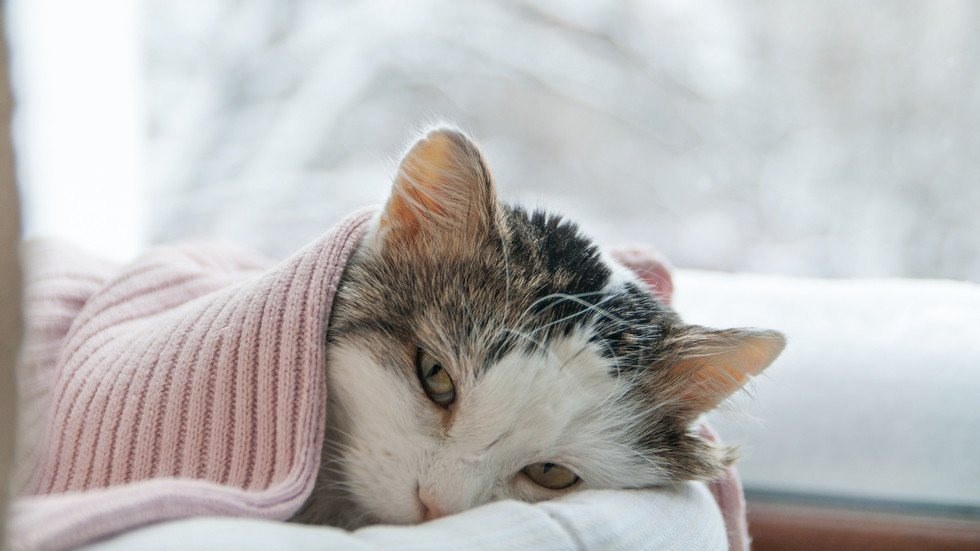
Diagnosis requires blood work and urinalysis. A persistently elevated blood glucose level combined with the presence of glucose in the urine is consistent with a diagnosis of diabetes. In cats, interpretation requires care because stress alone can elevate blood glucose temporarily to levels that overlap with diabetic ranges. This is why a measurement called fructosamine, which reflects average blood glucose over the preceding two to three weeks rather than a single moment in time, is particularly useful in cats. It helps distinguish true persistent hyperglycemia from stress-induced spikes.
Additional diagnostics including complete blood counts, blood chemistry panels and urinalysis evaluate overall organ health, screen for concurrent infections, assess kidney and liver function and look for evidence of diabetic complications. These baseline values are also important as reference points for monitoring treatment response going forward.
Managing Feline Diabetes
Management of feline diabetes aims to normalize blood glucose, eliminate clinical signs and prevent complications. The approach is individualized based on the cat’s overall health, the severity of diabetes at diagnosis and the owner’s capacity for home management.
Insulin Therapy
Most cats diagnosed with diabetes require insulin injections, typically administered twice daily around mealtimes. Owners learn to give these injections at home, and most cats tolerate them well with practice. The insulin type and dose are determined by the veterinarian and adjusted over time based on glucose monitoring results.
Dietary Management
Diet plays a particularly important role in feline diabetes management. High-protein, low-carbohydrate diets are the nutritional standard of care for diabetic cats. Reducing dietary carbohydrate reduces the post-meal glucose load that the pancreas must respond to, making blood glucose easier to stabilize and improving the chances of achieving diabetic remission in susceptible cats. Transitioning to a wet food diet is often recommended as part of this approach.
Consistent meal timing and portion control are equally important. Feeding the same amount at the same times each day creates the predictability that makes insulin dosing safe and effective.
Monitoring for Diabetic Remission
Unlike diabetic dogs, some cats with feline diabetes achieve remission, meaning blood glucose returns to normal and insulin is no longer required. Remission is more likely in cats diagnosed early, managed with appropriate diet and achieving a healthy body weight. Regular monitoring is essential because remission can be followed by relapse, and continued veterinary oversight remains important even after insulin is discontinued.
Weight Management
Since obesity is a primary driver of insulin resistance in cats, gradual weight reduction in overweight diabetic cats is an important part of long-term management. Weight loss must be controlled and gradual in cats to avoid a dangerous condition called hepatic lipidosis, so any weight reduction program should be supervised by a veterinarian.
Comparing Diabetes in Cats and Dogs
| Feature | Cats | Dogs |
| Primary mechanism | Insulin resistance plus reduced production | Primarily insufficient insulin production |
| Resembles human diabetes type | Type 2 | Type 1 |
| Diabetic remission possible | Yes, in some cases | Very rarely |
| Insulin always required | Not always if remission achieved | Almost always lifelong |
| Key dietary approach | High protein, low carbohydrate | Consistent high-fiber diet |
| Unique clinical sign | Plantigrade stance from neuropathy | Cataracts |
For a comparison with how diabetes presents and is managed in dogs, the guide on what causes diabetes in dogs provides a useful parallel read.
When to Seek Emergency Care
Well-managed feline diabetes does not typically create emergencies. However, several situations require immediate veterinary attention rather than a routine appointment.
Contact an emergency vet without delay if the cat is showing signs of diabetic ketoacidosis including persistent vomiting, complete loss of appetite, extreme weakness or a fruity breath odor. A cat that has received its insulin dose but has not eaten and is now trembling, weak or unresponsive may be experiencing hypoglycemia, which is a dangerously low blood sugar state that requires emergency intervention. Any cat that collapses, loses consciousness or is breathing abnormally warrants immediate emergency evaluation.
Understanding the impact of delayed emergency care makes clear why these situations should never be managed with a wait-and-see approach.
Catching It Before It Becomes a Crisis
Recognizing what are the symptoms of diabetes in a cat begins with observing the everyday details that reveal changes in how your cat eats, drinks, uses the litter box and moves. Excessive thirst in cats, unexplained weight loss, increased appetite and a shift in litter box habits are not signs to attribute to aging or stress without investigation. Annual blood work and urinalysis at wellness visits, and more frequent screening for senior or overweight cats, remain the most reliable way to catch feline diabetes before it progresses to the point where a crisis develops.
At North MS Pet Emergency, we provide after-hours and weekend emergency care for cats experiencing diabetic crises including ketoacidosis and hypoglycemic episodes. If your cat is showing signs of acute metabolic distress, do not wait. Contact us immediately for emergency evaluation and stabilization.
FAQs
Q: What are the earliest symptoms of diabetes in a cat to watch for at home?
A: Increased water consumption, more frequent litter box use, increased appetite alongside gradual weight loss are the earliest observable signs. These changes can develop subtly over weeks before becoming obvious, which is why noticing them early and seeking veterinary evaluation matters.
Q: Can a cat with diabetes go into remission?
A: Yes. Unlike dogs, some cats with feline diabetes achieve remission when blood glucose normalizes and insulin is no longer needed. Early diagnosis, appropriate diet and achieving a healthy body weight improve remission chances. Regular monitoring remains essential even after remission is achieved.
Q: Is excessive thirst in cats always a sign of diabetes?
A: Not always. Excessive thirst in cats can also indicate kidney disease, hyperthyroidism, liver disease or other conditions. A veterinary evaluation with blood work and urinalysis is needed to determine the cause. Diabetes and kidney disease are the two most common underlying diagnoses.
Q: What makes feline diabetes an emergency?
A: Diabetic ketoacidosis, characterized by vomiting, severe weakness, appetite loss and a sweet breath odor, is a life-threatening complication requiring hospitalization. Hypoglycemia following an insulin dose without food is equally urgent. Both situations require emergency veterinary care without delay.
Q: How often does a diabetic cat need veterinary monitoring?
A: Initially, rechecks may be needed every one to two weeks while the insulin dose is adjusted. Once stable, most diabetic cats are monitored every two to three months. Cats working toward or maintaining remission also require regular checks to detect early relapse.
Recent Posts
-
 What Are the Signs of Pyometra in Dogs and Why It Cannot Wait
 -
 How To Recognize Warning Signs In A Pet In Pregnancy
 -
 Why Some Pet Emergencies Require Overnight Pet Care And Monitoring
 -
 Understanding Tumor Removal Surgery for Pets and What It Involves
 -
 Early Signs of Intestinal Blockage in Pets You Shouldn’t Ignore