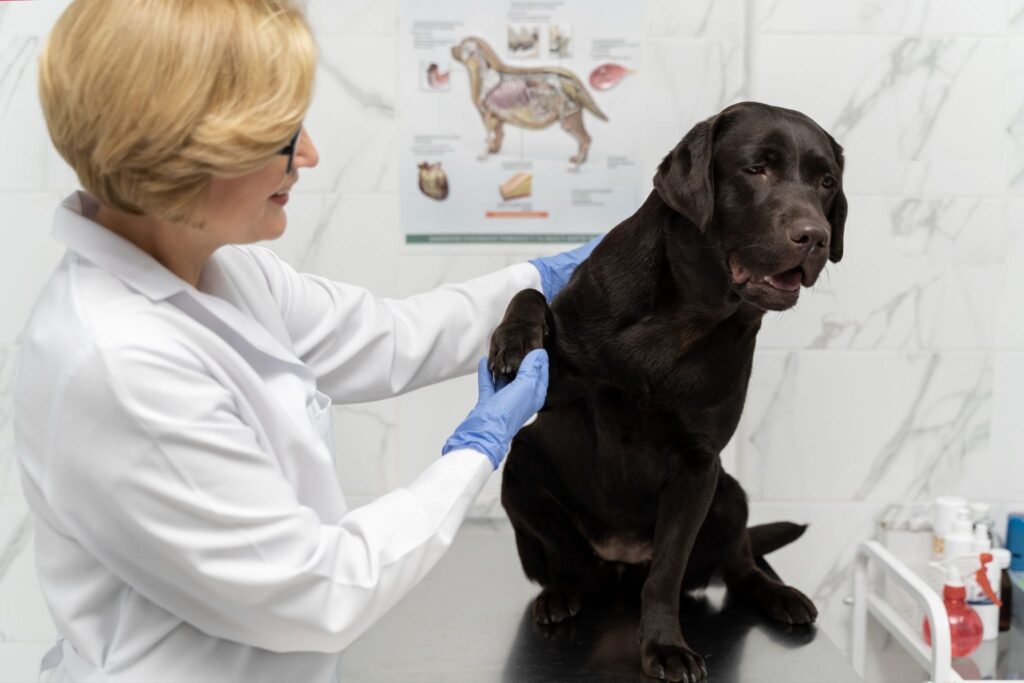
Your dog finished her heat cycle a few weeks ago, and now something feels off. She is drinking more water than usual, barely touching her food, and seems tired in a way that does not match her normal self. If she is an intact female, one of the possibilities you need to rule out quickly is pyometra, and recognizing the signs of pyometra in dogs early can be the difference between a straightforward surgery and a life-threatening emergency.
Pyometra in dogs symptoms can look deceptively mild in the first day or two, which is part of what makes this condition so dangerous. A dog who seems only a little tired or a little thirstier than usual can, within 24 to 48 hours, become a dog in shock. This guide covers what pyometra is and how it develops, the causes behind it, the signs to watch for from subtle to severe, how veterinarians diagnose and treat it, and when the situation stops being something you can monitor at home and becomes a reason to call an emergency vet immediately.
What Is Pyometra in Dogs?
Pyometra is a serious bacterial infection of the uterus that occurs in female dogs who have not been spayed. The word itself comes from Greek roots meaning “pus” and “uterus,” which describes exactly what happens: the uterus fills with infected fluid, and without treatment, that infection can spread throughout the body. Veterinarians sometimes describe it simply as a uterine infection in dogs, though that plain description undersells how quickly it can turn critical compared with a routine infection elsewhere in the body. This is one of the conditions covered under North MS Pet Emergency’s reproductive and hormonal emergencies service, since it develops quickly and often requires surgery the same day it is diagnosed.
Pyometra typically develops in the weeks following a heat cycle, when hormonal changes have already primed the uterus in a way that makes infection far more likely. It is not caused by anything the owner did or did not do. It is a natural, if dangerous, consequence of the canine reproductive cycle in dogs who remain intact, and it can affect a dog who has never been bred just as easily as one who has had litters in the past.
Open Versus Closed Pyometra
Pyometra comes in two forms, and the difference matters for how quickly a case is caught. In open pyometra, the cervix stays slightly open, which allows infected discharge to drain out through the vagina. This is unpleasant, but it also gives owners a visible warning sign early on. In closed pyometra, the cervix is sealed shut, so the infected fluid has nowhere to go. It builds up inside the uterus instead, which means there is no discharge to notice. Closed pyometra is more dangerous precisely because it is quieter. Owners often do not realize anything is wrong until the dog is showing signs of full-body illness, and the risk of the uterus rupturing and spreading infection into the abdomen is significantly higher.
Neither form is something a dog can fight off on her own, and neither should be treated as a wait-and-see situation once it is suspected. The distinction matters mainly for how urgently a case needs to be evaluated once early warning signs appear, since a closed case can look deceptively stable right up until it isn’t.
What Causes Pyometra in Dogs?
Pyometra results from a combination of hormonal changes and bacterial opportunity, and understanding both halves helps explain why it is so common in unspayed dogs of a certain age.
Hormonal Changes After a Heat Cycle
After a heat cycle, the hormone progesterone stays elevated for weeks, whether or not the dog became pregnant. Progesterone thickens the lining of the uterus in preparation for a possible pregnancy, a normal process called cystic endometrial hyperplasia when it happens repeatedly. Over time, this thickened lining becomes an ideal environment for bacteria to take hold, since progesterone also suppresses the uterus’s normal ability to contract and clear out fluid and debris.
Bacterial Infection of the Uterus
Bacteria, most commonly E. coli, are normally present in the vagina without causing harm. During and after heat, the cervix relaxes slightly to allow for potential breeding, which also gives bacteria a route into the uterus. In a healthy uterus, these bacteria are cleared out. In a uterus already thickened and compromised by hormonal changes, they multiply instead, and the infection takes hold.
Age and Repeated Heat Cycles
The risk of pyometra rises with age and with the number of heat cycles a dog has gone through without becoming pregnant. Each cycle adds another round of hormonal thickening to the uterine lining, so a dog in her later reproductive years who has never had puppies carries meaningfully more risk than a younger dog on her first or second cycle.
Never Being Spayed
The single biggest risk factor for pyometra is simply being an intact female. Spaying removes the uterus and ovaries entirely, which eliminates the possibility of this condition altogether. Every unspayed female dog is at risk regardless of breed, size, or whether she has ever been bred, which is why veterinarians consistently point to spaying as the most effective long-term prevention.
Hormonal Medications and Pregnancy Prevention Injections
Certain hormonal medications used to postpone or suppress heat cycles can further thicken the uterine lining, adding to the risk on top of what a natural heat cycle already creates. These medications are far less common than they once were for exactly this reason, and any dog who has received them should be watched even more closely for the signs described below in the weeks that follow.
Signs of Pyometra in Dogs
The signs of pyometra in dogs typically appear within two to eight weeks after a heat cycle ends, and they tend to progress from mild and easy to dismiss to severe and unmistakable. Reading through the full range below, rather than waiting for the most dramatic sign to appear, is what allows most cases to be caught while they are still straightforward to treat.
Increased Thirst and Urination
One of the earliest and most common signs is a noticeable increase in how much water your dog drinks and how often she urinates. This happens because bacterial toxins circulating in the bloodstream interfere with the kidneys’ ability to concentrate urine, so the body compensates by drinking more. Some owners notice this first as more frequent trips to the door or accidents in the house from a dog who is normally reliably housetrained.
Lethargy and Reduced Appetite
A dog developing pyometra often seems more tired than usual and less interested in food, even meals she normally enjoys. This is a general sign of systemic illness rather than something specific to the uterus, which is part of why it is easy to mistake for a minor stomach upset at first.
Vaginal Discharge
In open pyometra, owners may notice a discharge from the vulva that ranges from cloudy and blood-tinged to thick, yellow, or foul-smelling. It often shows up on bedding or furniture before it is obvious on the dog herself. This sign is absent in closed pyometra, which is exactly why the closed form is so much more likely to be missed until later.
Abdominal Swelling
As the uterus fills with infected fluid, it can grow dramatically, sometimes to a size that visibly distends the abdomen. A dog’s belly may look swollen or feel firmer than usual, particularly in closed pyometra where the fluid has no way to drain. Because a swollen abdomen can also point to pregnancy in an intact female, an exam is the only reliable way to tell the two apart.
Vomiting
Vomiting can develop as toxins from the infection build up in the bloodstream and affect the digestive system. It may come and go rather than being constant, which can make it seem less urgent than it actually is. On its own, severe vomiting and diarrhea has many possible causes, but paired with the other signs on this list in an intact female, it should raise real concern rather than be dismissed as a stomach bug.
Fever
A fever is common, though not universal. In more advanced cases, especially when the infection has progressed toward sepsis, body temperature can actually drop below normal instead of rising, which is a sign of the body being overwhelmed rather than a sign of improvement.
Collapse or Signs of Shock
Weakness, collapse, pale gums, or a rapid heart rate are signs that the infection has progressed to a systemic emergency. This can happen if the uterus ruptures or if bacterial toxins reach a critical level in the bloodstream, and it represents the most severe end of what pyometra can do if it goes untreated.
Comparing Open and Closed Pyometra
| Feature | Open Pyometra | Closed Pyometra |
| Cervix status | Slightly open, allowing drainage. | Sealed shut, no drainage possible. |
| Visible discharge | Yes, often noticed early on bedding or fur. | No, which delays detection. |
| Risk of rupture | Lower, since pressure is relieved through drainage. | Higher, since fluid and pressure build with nowhere to go. |
| How it is usually caught | Often noticed at the discharge stage. | Often not caught until systemic signs appear. |
How Is Pyometra in Dogs Diagnosed?
Diagnosis starts with a physical exam and a detailed history, including when your dog’s last heat cycle occurred, since timing is one of the strongest clues. A veterinarian will palpate the abdomen carefully, though this is done gently in suspected closed pyometra cases because of the risk of rupturing an already fragile uterus.
Bloodwork typically follows, looking for an elevated white blood cell count, which reflects the body’s response to a significant bacterial infection. Kidney values and other organ markers are checked as well, since circulating toxins can affect kidney function even before a dog appears seriously ill. A dog who has been drinking and urinating excessively may also show signs of dehydration on these initial tests, which factors into how quickly the team moves toward stabilization and surgery.
Imaging confirms the diagnosis. An abdominal x-ray can reveal an enlarged, fluid-filled uterus, while ultrasound offers a clearer picture and helps rule out pregnancy, which can look similar on an x-ray alone. Ultrasound is often the deciding factor, since it can show the uterine walls and fluid pattern that distinguish pyometra from a normal pregnancy. In many cases, bloodwork and imaging happen within the same visit, since a dog with a suspected uterine infection in dogs this severe is rarely stable enough to wait for results to trickle in over multiple appointments.
Treatment for Pyometra in Dogs
Because pyometra can progress from serious to critical within hours, treatment decisions are usually made quickly once the diagnosis is confirmed.
Emergency Spay Surgery
Surgical removal of the infected uterus and ovaries, called an ovariohysterectomy, is the standard and most reliable treatment. This is considered urgent surgery rather than a routine spay, since the goal is to remove the source of infection before it ruptures or spreads. The surgery itself is technically more involved than a planned spay because the uterus is enlarged, fragile, and full of infected fluid, which requires extra care to remove without any leakage into the abdomen. Surgery also has the added benefit of eliminating the possibility of pyometra ever recurring.
Supportive Care and Stabilization
Before and after surgery, dogs typically receive intravenous fluids to correct dehydration and support kidney function, along with antibiotics to address the underlying bacterial infection. Dogs who arrive in shock or showing signs of sepsis often need this stabilization before they are stable enough for anesthesia, which is part of why emergency veterinary teams are equipped to manage both the infection and the surgery in the same visit. Recovery afterward typically includes continued antibiotics, pain management, and monitoring for a period of days, since the body is fighting off the remaining infection even after its source has been removed.
Medical Management in Select Cases
In rare situations, usually involving a valuable breeding dog and a mild, early, open case, a veterinarian may consider medical management using medications that cause the uterus to contract and expel its contents rather than removing it surgically. This approach carries a real risk of the pyometra returning during a future heat cycle and is only appropriate under close specialist monitoring. It is not a home-based alternative to veterinary care, and it is not the recommended path for most dogs.
When to Contact an Emergency Vet
Any intact female dog showing increased thirst, reduced appetite, and lethargy within two months of a heat cycle should be evaluated promptly, even without visible discharge. Waiting to see if she improves on her own is one of the riskiest choices an owner can make with this condition, since the impact of delayed emergency care can turn a survivable infection into a life-threatening one in a matter of hours.
You should seek emergency care immediately if your dog has a swollen or firm abdomen, vomiting that will not stop, a fever or a temperature that feels unusually cool, vaginal discharge of any kind, or any signs of weakness, collapse, or pale gums. Because closed pyometra hides its most obvious warning sign, a dog who seems only mildly “off” after a recent heat cycle still deserves a same-day evaluation rather than a wait-and-see approach.
This is exactly the kind of situation an emergency vet for dogs exists to handle outside of normal business hours, since pyometra does not wait for a weekday morning appointment to become dangerous. A dog who starts showing these signs on a Friday night or over a holiday weekend needs the same urgency as one who shows them on a Tuesday afternoon.
Acting Quickly Protects Your Dog’s Health
Pyometra is frightening because it can escalate quickly, but it is also highly treatable when it is caught in time. The single most important thing an owner can do is learn the signs of pyometra in dogs before she ever needs them, and take any combination of increased thirst, lethargy, appetite loss, or discharge seriously in an intact female dog, especially in the weeks following a heat cycle.
At North MS Pet Emergency, we function as an overnight and weekend emergency vet for cats and dogs across North Mississippi, Northwest Alabama and Southwest Tennessee. If your dog is showing any of the signs described in this guide, do not wait. Contact us immediately for emergency evaluation and care.
FAQs
Q: What are the signs of pyometra in dogs?
A: The most common signs are increased thirst and urination, lethargy, reduced appetite, and in open cases, vaginal discharge. More severe signs include abdominal swelling, vomiting, fever, and collapse, which indicate the infection has become a systemic emergency.
Q: Can pyometra in dogs be treated without surgery?
A: Surgery to remove the infected uterus is the standard and most reliable treatment. Medical management without surgery is only considered in rare, mild, early cases involving breeding dogs under close specialist supervision, and it carries a real risk of the infection returning.
Q: How soon after a heat cycle does pyometra develop?
A: Pyometra most commonly develops within two to eight weeks after a heat cycle ends, once hormonal changes have thickened the uterine lining enough for bacteria to take hold. This timing is one of the key clues veterinarians use when evaluating a sick intact female dog.
Q: Is closed pyometra more dangerous than open pyometra?
A: Yes. Closed pyometra keeps infected fluid trapped inside the uterus with no visible discharge to warn owners, which delays detection and increases the risk of the uterus rupturing. Open pyometra is still a serious emergency, but the visible discharge often leads to earlier detection.
Q: How can pyometra in dogs be prevented?
A: Spaying is the only reliable way to prevent pyometra, since it removes the uterus and ovaries entirely. Any intact female dog remains at risk throughout her life, which is why prompt attention to the signs described here matters so much for dogs who have not been spayed.
Recent Posts
-
 Can Dogs Get Hypothermia and Which Symptoms Mean It Is Time to Seek Care
 -
 Why Do Cats Eat String and When a Swallowed Thread Becomes an Emergency
 -
 What Does Xylitol Do to Dogs and Why It Becomes a Blood Sugar Emergency
 -
 What Happens if a Dog Eats Ibuprofen and When It Becomes an Emergency
 -
 Why Cats Suddenly Lose Use of Their Back Legs From a Blood Clot