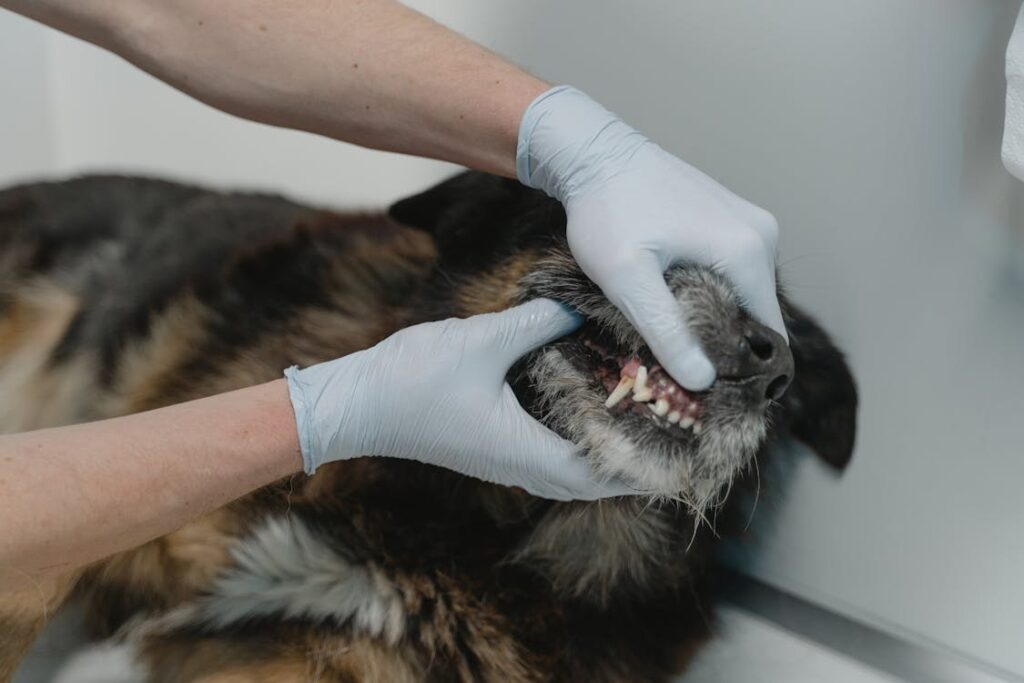
Most dog owners pay close attention to their pet’s appetite, energy and behavior, but very few think to check their dog’s gums regularly. Gum color is one of the most informative health indicators available and checking it takes only a few seconds. When you lift your dog’s lip and see gums that are pale pink, white, gray or an unusual color, the question that immediately follows is whether this is serious. The answer in most cases is yes. Pale gums in dogs are rarely a trivial finding and understanding why they occur can help you act quickly when it matters most.
This guide covers what healthy gums look like, the most common causes of pale or discolored gums, which accompanying symptoms indicate an emergency and what veterinary evaluation typically involves.
What Do Healthy Dog Gums Look Like?
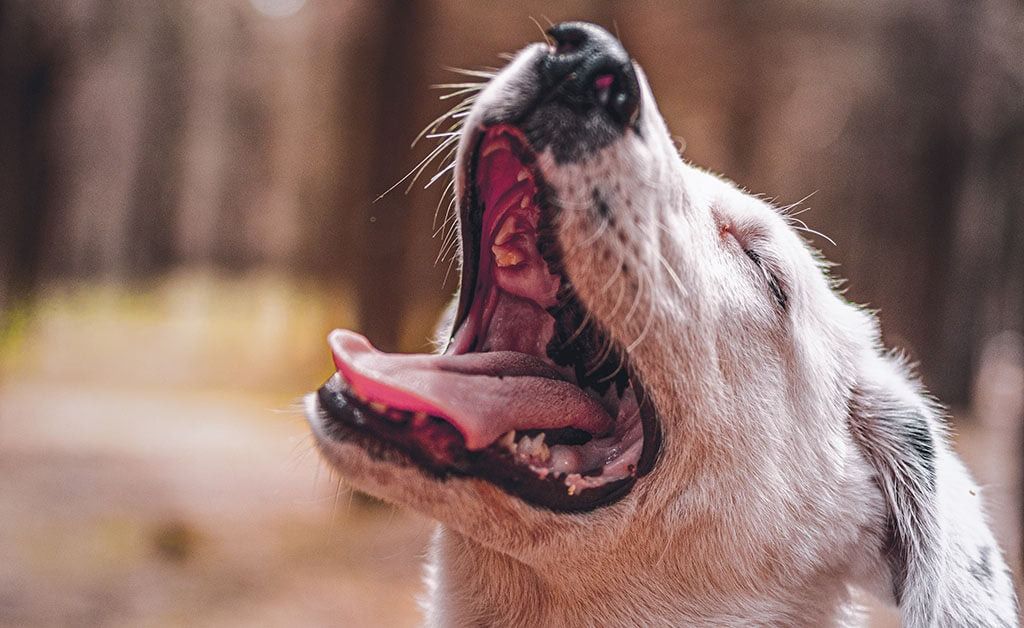
Before identifying a problem, it helps to know what normal looks like. Healthy dog gums are moist and bubble-gum pink in color. This pink color comes from the blood flowing through the small capillaries just beneath the thin gum tissue. When circulation is adequate and oxygen levels in the blood are normal, gums maintain this healthy pink tone.
A simple test called the capillary refill time (CRT) can give you additional information. Press gently on the gum with a fingertip, release it and watch how quickly the pink color returns to the blanched white spot. In a healthy dog, the color should return within one to two seconds. A refill time that is longer than two seconds suggests that circulation is compromised in some way.
It is worth checking your dog’s gums when they are healthy so you have a baseline to compare against. Pigmented gums, which appear black or spotted in some breeds, make color assessment more difficult. In these dogs, checking the inner eyelids or the gums at the very front of the mouth where pigmentation is sometimes lighter can help.
Are Pale Gums in Dogs an Emergency?
The short answer is that pale gums in dogs should always be treated as a potential emergency until proven otherwise. Gum pallor indicates that either the blood is not carrying enough oxygen, not enough blood is reaching the tissues, red blood cell numbers have dropped significantly, or the body is in a state of circulatory shock. All of these situations represent conditions that can deteriorate rapidly without medical intervention.
The urgency depends on how pale the gums are, how quickly the color change appears and what other symptoms are present. A dog with mildly pale gums and no other symptoms may have a less acute problem, but still needs same-day veterinary evaluation. A dog with white gums, rapid breathing, weakness or collapse needs emergency care immediately. When in doubt, it is always better to seek evaluation than to wait and see.
Common Causes of Pale Gums in Dogs
Understanding what causes dog pale gums helps explain why this symptom carries such urgency. Most of the conditions responsible are serious and require treatment rather than monitoring at home.
Anemia
Anemia is one of the most frequent causes of pale gums in dogs. It occurs when the number of red blood cells or the concentration of hemoglobin falls below the level needed to deliver adequate oxygen to the body’s tissues. As red blood cell levels fall, there is less blood color visible through the gum tissue, causing the characteristic pallor.
Anemia itself has many causes including blood loss from injury or internal bleeding, the destruction of red blood cells by the immune system, toxin exposure, parasitic infections such as those transmitted by ticks, bone marrow disorders and chronic diseases affecting red blood cell production. Understanding the full picture of signs of anemia in dogs gives important context for what is happening when gums lose their color. Our recent guide on what are symptoms of anemia in dogs covers this in detail and is worth reading alongside this one.
Internal Bleeding
Internal bleeding is a serious and potentially life-threatening cause of sudden pale gums in dogs. Blood lost into the abdominal cavity, chest or another internal space is not visible externally, which makes this particularly dangerous. A dog can lose a significant volume of blood internally before any outward sign of bleeding becomes apparent.
Trauma is a common trigger, but internal bleeding can also be caused by a ruptured splenic tumor, bleeding disorders affecting the clotting system, certain toxin ingestions including rodenticide poisoning that interferes with blood clotting, and gastrointestinal ulcers. A dog that has experienced recent trauma and develops pale gums should be treated as a bleeding emergency. Read more about how to control severe bleeding in pets until help arrives for guidance on what to do while transporting your dog to a clinic.
Shock
Shock is a state in which the body’s circulatory system fails to deliver adequate oxygen and nutrients to vital organs. It can result from severe blood loss, extreme dehydration, severe infection, allergic reactions, heart failure or major trauma. In shock, blood is redirected away from the outer tissues including the gums and toward the core organs in a last-ditch attempt to preserve vital function. This redistribution causes the gums to appear pale, gray or even white.
Other signs of shock include a rapid weak pulse, cold extremities, confusion or disorientation, rapid shallow breathing and collapse. Shock is a true emergency and requires immediate veterinary intervention. Every minute of delay increases the risk of irreversible organ damage.
Heart Disease
When the heart is not pumping efficiently, less blood reaches the peripheral tissues. Dogs with significant heart disease, including congestive heart failure, may develop pale or grayish gums as circulation becomes increasingly compromised. This is often accompanied by labored breathing, coughing, exercise intolerance and a distended abdomen. Our resource on symptoms and treatment for congestive heart failure in dogs explains the broader picture of this condition and the warning signs owners should recognize.
Toxin Ingestion
Several toxins commonly encountered by dogs can cause pale gums, either by destroying red blood cells directly or by interfering with the blood’s ability to clot or carry oxygen. Rodenticides that act as anticoagulants cause progressive internal bleeding, which leads to pallor and weakness that may not appear for several days after ingestion. Onions and garlic in significant quantities damage red blood cells. Zinc toxicity from ingested coins or hardware can cause a rapid destruction of red blood cells resulting in sudden severe anemia. If you suspect your dog has ingested anything toxic, seek emergency care immediately and review the most common household hazards for pets for further reference.
Immune-Mediated Hemolytic Anemia
This is a condition where the immune system turns against the dog’s own red blood cells and begins destroying them. It can develop very rapidly and cause dramatic pallor of the gums. In some cases the gums may appear yellowish rather than simply pale, a sign called jaundice that occurs when the breakdown products of destroyed red blood cells accumulate in the tissue. Immune-mediated hemolytic anemia is a veterinary emergency that requires hospitalization and aggressive treatment.
Splenic Disorders
The spleen plays a role in storing red blood cells and filtering the blood. Splenic tumors, which are relatively common in older dogs, can rupture suddenly and cause rapid internal blood loss. A previously healthy dog may suddenly become weak, collapse and develop pale gums with little warning if a splenic mass ruptures. This is a surgical emergency.
Other Gum Colors and What They Mean
While pale gums are the focus here, it is worth briefly noting that abnormal gum colors other than pale also carry significance.
Blue or purple gums indicate that the blood is severely lacking in oxygen, a condition called cyanosis. This is an extreme emergency requiring oxygen support immediately. Gray gums suggest severe shock or cardiovascular collapse. Yellow gums point to jaundice caused by liver disease, bile duct obstruction or the destruction of red blood cells. Bright red gums beyond normal pink may indicate heatstroke, carbon monoxide exposure or early shock. Dry or tacky gums of any color suggest significant dehydration, which you can read more about in this guide on severe dehydration in pets and what to do.
Signs of Anemia in Dogs That Often Accompany Pale Gums
Dog pale gums rarely appear in isolation. In most cases there are other signs present that provide important additional information about what is happening. The combination of pale gums with other symptoms is often more telling than pale gums alone.
Signs of anemia in dogs that frequently accompany gum pallor include persistent weakness and lethargy that does not resolve with rest, rapid breathing at rest or after minimal activity, a noticeably elevated heart rate, loss of appetite and reduced interest in food, exercise intolerance or collapse during mild activity, dark reddish or brownish urine in cases involving red blood cell destruction and yellowing of the gums or the whites of the eyes indicating jaundice. Any of these signs alongside pale gums strengthens the case for urgent evaluation.
What to Do If You Notice Pale Gums in Your Dog
If you lift your dog’s lip and notice that the gums are significantly lighter than normal, take the following steps.
First, assess the overall picture quickly. Is the dog standing normally and behaving relatively normally, or is it weak, unsteady or collapsed? Is the breathing rapid or labored? Has there been any recent trauma, toxin exposure or sudden change in behavior? These details matter when you call the veterinary clinic.
Second, do not wait to see if the color improves on its own. Gum pallor that is noticeable enough for you to have recognized it warrants at minimum a same-day veterinary call and often immediate emergency care. The conditions that cause pale gums can deteriorate quickly.
Third, keep the dog calm and warm during transport. Avoid letting the dog exert itself, as exercise increases the body’s oxygen demand and can worsen the strain on an already compromised circulatory system. If the dog is unable to walk, use a blanket as a stretcher and carry it to the car.
Fourth, make note of any other symptoms, when you first noticed the pale gums, any recent history of illness, toxin exposure or trauma and the dog’s current medications if applicable. This information helps the veterinary team begin their assessment more efficiently.
How Veterinarians Evaluate Pale Gums
When a dog arrives with pale gums, the veterinary team begins by assessing the animal’s stability. If the dog is in shock or experiencing respiratory distress, stabilization comes first through oxygen supplementation, intravenous fluids and monitoring.
Once the dog is stable enough for diagnostic testing, a complete blood count is typically the first test ordered. This measures red blood cell count, hemoglobin concentration and hematocrit and confirms whether anemia is present and how severe it is. A blood smear gives additional information about the shape and type of red blood cells and can reveal parasites or signs of immune-mediated destruction.
Blood chemistry panels assess organ function including the kidneys and liver. Clotting tests determine whether a bleeding disorder is contributing. Imaging such as chest X-rays and abdominal ultrasound can identify internal bleeding, fluid accumulation, cardiac abnormalities or masses. The combination of these tests helps the veterinarian identify the underlying cause so that targeted treatment can begin.
When to Go to an Emergency Vet Immediately
Certain presentations of dog pale gums should never wait for a routine appointment. Go to an emergency veterinary clinic right away if the gums are white, gray or blue rather than simply pale, if the dog has collapsed or cannot stand, if breathing is rapid or labored, if the dog has experienced recent trauma, if you suspect toxin ingestion, if the dog has a known history of a bleeding disorder or splenic disease, or if the capillary refill time is longer than two seconds.
These presentations suggest that a life-threatening process is underway. Acting immediately gives the dog the best possible chance of survival and recovery. Understanding why delays are dangerous in these situations is explained clearly in this resource on the impact of delayed emergency care for pets.
Conclusion
Are pale gums in dogs an emergency? In the vast majority of cases, yes. Pale gums in dogs signal that something meaningful is happening internally, whether that is a drop in red blood cells, internal bleeding, circulatory shock, heart disease or toxin exposure. None of these causes resolve without veterinary attention, and several can become fatal within hours without treatment. Recognizing dog pale gums as a warning sign rather than a curiosity and acting on that recognition promptly is one of the most important things a dog owner can do.
At North MS Pet Emergency, our team is available after hours and throughout weekends to evaluate dogs presenting with pale gums and other signs of serious illness. We provide the diagnostic testing and critical care needed to stabilize your dog and identify the underlying cause quickly. If your dog’s gums look wrong to you, trust that instinct. Contact us immediately for emergency support.
FAQs
Q: Are pale gums in dogs always a sign of anemia?
A: Not always. While anemia is a common cause, dog pale gums can also result from shock, internal bleeding, heart disease, toxin ingestion and other serious conditions. A veterinarian needs to run blood tests and other diagnostics to determine the specific cause and appropriate treatment.
Q: How quickly can pale gums in dogs become life-threatening?
A: This depends on the underlying cause. Internal bleeding or severe immune-mediated red blood cell destruction can make pale gums life-threatening within hours. Any dog with white or gray gums, breathing difficulty or collapse should be seen by a veterinarian immediately without delay.
Q: Can dehydration cause pale gums in dogs?
A: Dehydration typically causes dry or tacky gums rather than significant pallor. However, severe dehydration can contribute to circulatory compromise that affects gum color. Gum dryness and pallor together suggest that the dog is in a more serious state requiring urgent veterinary attention.
Q: What is the normal capillary refill time for a dog?
A: Normal capillary refill time is one to two seconds. Press gently on the gum, release and observe how quickly the pink color returns. A refill time of more than two seconds indicates impaired circulation and warrants emergency veterinary evaluation alongside any assessment of signs of anemia in dogs.
Q: My dog has naturally dark or pigmented gums. How do I check their color?
A: In dogs with pigmented gums, check the inner surface of the lower eyelid by gently pulling it down. This tissue should appear a healthy pink. The gum tissue at the very front of the mouth may also have less pigmentation. Ask your vet to show you the best spot to check during a routine visit.
Recent Posts
-
 What Does Xylitol Do to Dogs and Why It Becomes a Blood Sugar Emergency
 -
 What Happens if a Dog Eats Ibuprofen and When It Becomes an Emergency
 -
 Why Cats Suddenly Lose Use of Their Back Legs From a Blood Clot
 -
 Why Are Lilies Poisonous to Cats and How Fast Symptoms Can Appear
 -
 What Are the Signs of Pyometra in Dogs and Why It Cannot Wait