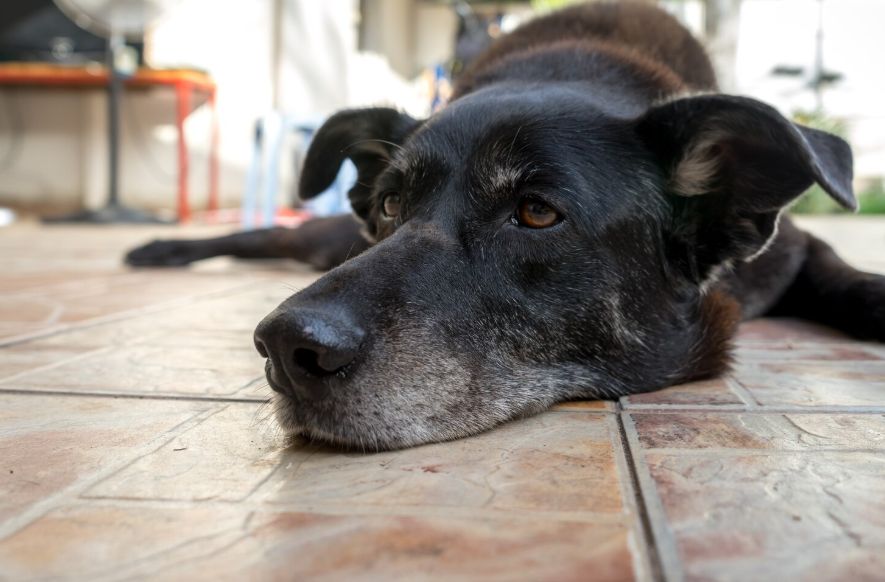
Every dog owner dreads seeing their beloved companion in distress. For owners of senior dogs, observing a seizure can be particularly alarming. As dogs age, they become more susceptible to various health conditions, and understanding the causes of seizures in older dogs is crucial for proactive care. Knowing how to react during an emergency can make a significant difference in your pet’s outcome and comfort.
Seizures are the outward manifestation of abnormal, uncontrolled electrical activity in the brain. They can range from mild, almost unnoticeable events to severe, full-body convulsions. While any dog can experience a seizure, senior dogs often face unique risk factors. This guide aims to shed light on why these episodes occur in older pets and equip you with the knowledge to respond effectively when every second counts.
Understanding Seizures in Older Dogs
Seizures in dogs are not a disease in themselves but rather a symptom of an underlying issue affecting the brain. In younger dogs, idiopathic epilepsy, where no specific cause can be identified, is common. However, when seizures begin in older dogs, it often signals a more serious underlying problem that requires immediate veterinary attention. These events can be frightening, and the distinction between primary (idiopathic) and secondary (symptomatic) seizures becomes even more critical in aging pets.
What Exactly is a Seizure?
A seizure is essentially a temporary malfunction of the brain, leading to uncontrolled physical movements, changes in consciousness, and sometimes behavioral alterations. This electrical storm can originate in different parts of the brain, leading to various types of seizures:
- Generalized (Grand Mal) Seizures: These are the most commonly recognized type, involving the entire body. The dog typically loses consciousness, falls over, and may exhibit paddling of the limbs, jaw chomping, salivation, vocalization, and loss of bladder/bowel control.
- Focal (Partial) Seizures: These affect only a specific part of the brain and may manifest as twitching in one limb, facial spasms, or unusual behaviors like staring or chewing air. Consciousness may or may not be impaired.
- Psychomotor Seizures: Also known as ‘fly-biting’ or ‘star gazing,’ these involve unusual, repetitive behaviors that appear purposeful but are not. The dog may seem disoriented or unaware of its surroundings.
- Status Epilepticus: A severe, life-threatening condition where a seizure lasts for more than 5 minutes, or multiple seizures occur without the dog regaining consciousness in between. This is a dire emergency and requires immediate veterinary care to prevent permanent brain damage or death.
Primary Causes of Seizures in Older Dogs
Unlike younger dogs where many seizures are idiopathic, a senior dog experiencing old dog seizures almost always has an identifiable underlying condition. Pinpointing the exact cause is critical for effective dog seizure treatment and managing their quality of life.
1. Brain Tumors
Brain tumors are among the most common causes of seizures in senior dogs. As dogs age, their risk of developing various cancers, including those affecting the brain, increases significantly. These tumors can be primary (originating in the brain) or secondary (metastatic, spreading from cancer elsewhere in the body). A growing mass can put pressure on brain tissue, disrupting normal electrical activity and triggering seizures. Symptoms may also include behavioral changes, vision problems, and weakness.
2. Metabolic Diseases
Systemic illnesses that affect the body’s metabolism can profoundly impact brain function, leading to seizures. Older dogs are more prone to these conditions:
- Liver Disease: A failing liver cannot properly detoxify the blood, leading to an accumulation of toxins (like ammonia) that negatively affect the brain. This is known as hepatic encephalopathy and is a significant cause of seizures in dogs.
- Kidney Disease: Similar to liver disease, severe kidney disease in senior dogs can lead to a buildup of metabolic waste products that become toxic to the brain.
- Hypoglycemia (Low Blood Sugar): While less common as a primary cause in older dogs without other conditions, severe drops in blood sugar (often due to insulin-producing tumors like insulinoma) can deprive the brain of its primary energy source, triggering seizures.
- Hypothyroidism: An underactive thyroid gland, common in older dogs, can sometimes lead to altered brain function and, in rare cases, seizures, although this is usually secondary to other neurological changes.
3. Exposure to Toxins
Even with careful supervision, older dogs can sometimes encounter toxic substances, which can precipitate seizures. Their aging bodies may metabolize these substances differently. Common culprits include:
- Pesticides and Herbicides: Found in yards or gardens.
- Household Cleaners: Often stored in accessible areas.
- Human Medications: Especially non-steroidal anti-inflammatory drugs (NSAIDs) or certain antidepressants.
- Toxic Foods and Plants: Certain foods like grapes and chocolate can be highly toxic. Identifying pet food poisoning symptoms is important for quick action.
- Heavy Metals: Lead poisoning, for example.
If you suspect your dog has ingested a toxic substance, immediately contact your veterinarian or an animal poison control center.
4. Inflammation or Infection of the Brain
While less common than tumors in older dogs, infections or inflammation of the brain (encephalitis) can still cause seizures. These can result from:
- Bacterial, Viral, or Fungal Infections: Though often more acute, some chronic infections can lead to seizures.
- Autoimmune Diseases: Where the body’s immune system attacks brain tissue.
- Granulomatous Meningoencephalitis (GME): A non-infectious inflammatory disease of the central nervous system, more common in certain breeds, that can develop in older age.
5. Head Trauma
Although less likely to be a new onset cause in an older dog unless there’s a recent accident, past head injuries or recent trauma can sometimes lead to seizure activity. If your pet has experienced trauma, monitoring for delayed symptoms is vital. Knowing how to help your pet recover from a traumatic event is also beneficial.
6. Cerebrovascular Accidents (Strokes)
Similar to human strokes, dogs can experience cerebrovascular accidents when blood flow to a part of the brain is interrupted. This can be due to a clot or a bleed. While seizures are not always a direct symptom, brain damage resulting from a stroke can sometimes predispose older dogs to seizure activity.
Recognizing a Seizure: Signs and Stages
Witnessing a seizure can be terrifying, but understanding the stages can help you keep calm and provide the best support. Not all seizures in dogs follow the same pattern, but generally, three phases are recognized:
1. Pre-Ictal Phase (Aura)
This is the period before the seizure itself, lasting from minutes to hours. Your dog may exhibit subtle behavioral changes, such as:
- Restlessness or anxiety
- Clinginess or seeking attention
- Staring blankly
- Excessive salivation
- Hiding or disorientation
- Trembling or nervousness
Recognizing these signs can give you a precious few moments to prepare.
2. Ictal Phase (The Seizure)
This is the actual seizure event, typically lasting from a few seconds to a few minutes. During this phase, you might observe:
- Loss of consciousness: The dog may fall to its side.
- Rigid muscles, then rhythmic paddling: In generalized seizures.
- Involuntary urination or defecation.
- Foaming at the mouth or excessive drooling.
- Vocalization: Whining, barking, or howling.
- Eye movements: Rapid eye darting or staring.
It is crucial to time the seizure. Even if it feels like an eternity, most seizures last less than 2-3 minutes. This information is vital for your veterinarian.
3. Post-Ictal Phase
Following the seizure, your dog will enter the recovery phase, which can last minutes to hours, or even days. During this time, they may be:
- Disoriented or confused
- Temporary blindness
- Ataxic (uncoordinated or wobbly)
- Very tired or lethargic
- Restless or pacing
- Hungry or thirsty
- Exhibiting temporary behavioral changes
It’s important to provide a calm, safe environment during this recovery period.
How to Respond During an Emergency (When Your Older Dog Has a Seizure)
Your immediate response during a seizure can help ensure your dog’s safety and provide valuable information to your veterinarian. This is a critical moment for any pet owner, particularly when dealing with old dog seizures.
1. Stay Calm and Ensure Safety
It’s natural to panic, but try to remain calm. Your dog senses your stress. Focus on keeping them safe:
- Move hazards: Gently move furniture or objects that your dog might hit during the seizure.
- Protect their head: You can place a cushion or blanket under their head, but do not try to hold their head still or restrain them.
- Do NOT put anything in their mouth: Dogs do not swallow their tongues during seizures, and you risk being bitten or injuring your dog’s mouth or throat.
2. Time the Seizure
Exact timing is crucial. Note the start and end of the ictal phase (the actual seizure activity). If the seizure lasts longer than 3 minutes, or if multiple seizures occur back-to-back without recovery, this constitutes a medical emergency (status epilepticus) requiring immediate emergency veterinary care.
3. Observe and Document
While keeping your pet safe, try to observe key details:
- Type of movements: Paddling, rigid, twitching, chewing.
- Body parts involved: Whole body, one leg, face.
- Vocalization: Any sounds made.
- Urination/defecation: Occurrence during the seizure.
- Pre-ictal and post-ictal behavior: What happened before and after.
- Duration: The precise length of the seizure.
If possible and safe, record a video of the seizure. This visual information can be incredibly helpful for your veterinarian in diagnosing the causes of seizures in senior dogs.
4. Contact Your Veterinarian Immediately
Regardless of duration, you should always contact your veterinarian after your older dog experiences a seizure. Even if the seizure was short and your dog appears to recover, it’s a significant event warranting professional evaluation. If it’s after hours, call your local pet emergency hospital.
- Provide details: Your veterinarian will want to know the observations and timing you recorded.
- Follow instructions: They may advise you to bring your dog in immediately or monitor them at home, depending on the situation. Learn about the impact of delayed emergency care.
5. Post-Seizure Care
Once the seizure has passed, your dog will be in the post-ictal phase:
- Provide comfort: Keep them warm, talk to them calmly, and reassure them.
- Minimize stimulation: Keep the environment quiet and dimly lit.
- Offer water: Once they are fully alert and coordinated, they may be thirsty. Supervise them as they drink.
- Avoid food: Wait until they are fully recovered and have no nausea before offering food.
- Don’t leave them unattended: They may still be disoriented or prone to accidents.
Diagnosing the Causes of Seizures in Older Dogs
When your senior dog experiences a seizure, a thorough diagnostic work-up is essential. The goal is to identify the underlying cause to implement the most effective dog seizure treatment. This process often involves several steps:
1. Comprehensive Physical Examination and History
Your veterinarian will perform a complete physical exam and take a detailed history, including:
- Seizure diary: Information you collected about the seizure events (frequency, duration, type).
- Exposure history: Any potential toxins, change in diet, recent travel, or new medications.
- General health: Any other long-standing health issues or recent changes in behavior, appetite, or activity level.
2. Blood Work
Blood tests are crucial for evaluating organ function and identifying metabolic causes:
- Complete Blood Count (CBC): To check for infection, inflammation, or anemia.
- Chemistry Panel: To assess liver and kidney function, blood glucose, electrolytes, and other metabolic indicators.
- Thyroid Panel: To rule out hypothyroidism.
3. Urinalysis
Analyzing urine can provide further insight into kidney function and overall health.
4. Advanced Diagnostics
If initial tests don’t reveal a cause, or if a brain tumor is suspected, your veterinarian may recommend advanced imaging:
- MRI (Magnetic Resonance Imaging): This is considered the gold standard for imaging the brain and spinal cord. It can detect tumors, inflammation, strokes, and structural abnormalities. It often requires anesthesia.
- CSF (Cerebrospinal Fluid) Tap: A sample of fluid surrounding the brain and spinal cord is collected and analyzed for signs of infection or inflammation. This also requires anesthesia.
Dog Seizure Treatment and Management
Dog seizure treatment depends entirely on the underlying causes of seizures in older dogs. The primary goal is to address the root issue and, if not curable, to manage the seizures to improve the dog’s quality of life.
Treating the Underlying Cause
- Brain Tumors: Treatment options can include surgery, radiation therapy, or palliative care with steroids to reduce swelling.
- Metabolic Diseases: Managing liver or kidney disease through diet, medications, and fluid therapy can often reduce or eliminate seizures.
- Toxicity: Decontamination, activated charcoal, and supportive care to flush out toxins.
- Infections/Inflammation: Appropriate antibiotics, antifungals, or anti-inflammatory drugs.
Anticonvulsant Medication
If the underlying cause cannot be cured, or if seizures are frequent or severe, anticonvulsant medications may be prescribed. These help to reduce the frequency and severity of seizures. Finding the right medication and dosage often requires careful monitoring and adjustment by your veterinarian.
- Administer medication consistently: It’s vital to give anticonvulsants exactly as prescribed, without missing doses, to maintain stable blood levels.
- Regular monitoring: Your veterinarian will likely recommend periodic blood tests to check drug levels and monitor for potential side effects on the liver or other organs.
Supportive Care and Home Environment
Beyond medication, creating a supportive home environment is key:
- Consistent routine: Dogs with seizures often benefit from a predictable schedule for feeding, walks, and medication.
- Stress reduction: Minimize stressors that could potentially trigger seizures (e.g., loud noises, flashing lights).
- Safety measures: Continue to ensure their environment is safe, especially during the post-ictal period.
- Proper nutrition: A balanced diet supports overall brain health.
When to Seek Emergency Veterinary Care Immediately
Some seizure events are more critical than others and warrant immediate emergency attention. Do not hesitate to seek help if:
- Seizure lasts longer than 3-5 minutes: This is called status epilepticus and is life-threatening.
- Multiple seizures occur in rapid succession without the dog regaining full consciousness in between (cluster seizures).
- Your dog has more than one seizure in a 24-hour period.
- Your dog hits their head severely during a seizure.
- Your dog does not recover from a seizure in a timely manner (e.g., remains disoriented or blind for an extended period).
- Your dog has ingested a known toxin. Learn about severe dehydration in pets and what to do.
Emergency care involves stabilizing the dog, stopping the seizures with intravenous medications, and identifying the underlying cause. Prompt action can prevent further brain damage and improve prognosis.
Living with a Senior Dog with Seizures
While receiving a diagnosis of seizures in your older dog can be challenging, many dogs can lead fulfilling lives with appropriate management. Ongoing communication with your veterinarian is vital.
- Maintain a seizure log: Keep a detailed record of every seizure, including date, time, duration, and observations. This information is invaluable for your vet.
- Administer medications diligently: Consistency is paramount for effectiveness.
- Regular veterinary check-ups: These help monitor your dog’s overall health and the effectiveness of their dog seizure treatment plan.
- Observe for subtle changes: Senior pet health emergencies can sometimes manifest subtly. Be attentive to any changes in behavior or physical condition.
Conclusion
Understanding the causes of seizures in older dogs empowers you to be a more effective advocate for your pet’s joint health and overall quality of life. While the sight of a seizure is distressing, your calm and informed response can provide crucial support. Regular veterinary check-ups for senior dogs are key to early detection of underlying conditions.
At North MS Pet Emergency, we understand that emergencies like seizures in dogs don’t follow a schedule. Our team is here to provide exceptional veterinary care and support during these critical moments. If your senior dog experiences a seizure, especially if it’s prolonged or repeated, don’t hesitate. Contact us immediately for professional and compassionate care. Your pet’s well-being is our top priority, and we are equipped to handle even the most urgent needs. Our goal is to ensure they receive the best possible outcome.
FAQs
Q: What are the most common causes of seizures in older dogs?
A: The most common causes of seizures in older dogs include intracranial diseases like brain tumors, strokes, or inflammation. Extracranial causes such as metabolic disorders (liver or kidney disease), toxins, or severe electrolyte imbalances can also trigger seizures.
Q: Can age alone cause seizures in senior dogs?
A: While age itself isn’t a direct cause, older dogs are more prone to underlying conditions that can lead to seizures. These age-related health issues, rather than just age, are the primary drivers of seizure activity.
Q: How do I know if my older dog is having a seizure?
A: Seizures in older dogs can manifest as sudden collapse, uncontrolled twitching or paddling, drooling, vocalization, and loss of consciousness. Some may experience more subtle signs like staring, disorientation, or muscle tremors.
Q: Are brain tumors a common cause of seizures in older dogs?
A: Yes, brain tumors are a significant and common cause of new-onset seizures in older dogs. They can directly irritate brain tissue, leading to abnormal electrical activity and subsequent seizures.
Q: What medical conditions can lead to seizures in senior dogs?
A: Medical conditions like liver failure, kidney disease, severe hypoglycemia (low blood sugar), hypothyroidism, and certain infections can all contribute to seizures in senior dogs. A thorough veterinary workup is crucial for diagnosis.
Recent Posts
-
 Why Are Lilies Poisonous to Cats and How Fast Symptoms Can Appear
 -
 What Are the Signs of Pyometra in Dogs and Why It Cannot Wait
 -
 How To Recognize Warning Signs In A Pet In Pregnancy
 -
 Why Some Pet Emergencies Require Overnight Pet Care And Monitoring
 -
 Understanding Tumor Removal Surgery for Pets and What It Involves