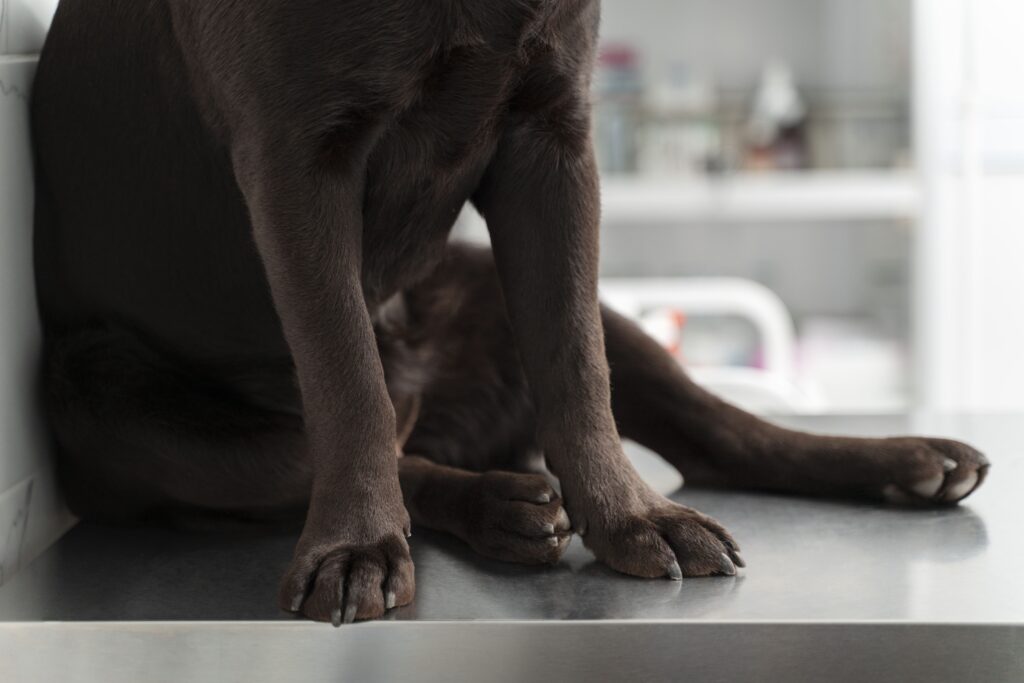
Your dog’s playful leaps and enthusiastic tail wags are signs of a joyful, active life. But what happens when a sudden accident or a misstep leads to a serious injury, such as a dog femur bone fracture? This can be a distressing experience for any pet owner, causing immediate concern and a bunch of questions about your pet’s well-being and recovery.
The femur, or thigh bone, is the largest bone in a dog’s body, crucial for weight-bearing and movement. A fracture of this bone is a significant orthopedic injury that requires prompt veterinary attention. Understanding what to expect, from initial symptoms to the extensive recovery process, can empower you to provide the best care for your furry companion.
Recognizing a Dog Femur Bone Fracture
Identifying a serious injury like a fractured femur often begins with recognizing clear signs of distress and physical impairment in your dog. After all, your pet can’t tell you in words where it hurts, making observation and quick action vital. Whether it’s from a traumatic fall injury or another incident, the signs are usually quite evident.
Immediate Signs of Injury
When a dog suffers a dog femur bone fracture, the symptoms are typically severe and sudden. Pet owners should look out for:
- Sudden, severe lameness: Your dog will likely refuse to put any weight on the affected leg, holding it up or dragging it.
- Intense pain: Whining, crying, yelping, or even growling when the area is touched or moved are strong indicators of significant discomfort.
- Swelling and bruising: The thigh area may appear visibly swollen or discolored.
- Deformity: The leg might look crooked, shorter, or abnormally angled.
- Inability to move: The dog may struggle to stand, walk, or even shift positions.
- Shock: In severe cases, dogs can go into shock, presenting with pale gums, rapid breathing, and weakness. This is a critical emergency, and immediate emergency care is essential.
Any of these signs warrant an immediate trip to the veterinarian. Delaying care can lead to complications, as discussed in The Impact of Delayed Emergency Care.
Causes of Femur Fractures in Dogs
Femur fractures, while often resulting from high-impact events, can also be influenced by underlying factors. The strength of the bone and the nature of the force applied both play a role.
Common Trauma Scenarios
Most dog femur bone fractures occur due to significant trauma, such as:
- Vehicle accidents: Being hit by a car is a leading cause of severe orthopedic injuries.
- Falls from heights: Fall injuries from balconies, stairs, or even being dropped can lead to fractures, especially in smaller dogs or puppies.
- Blunt force trauma: This could include being kicked, struck by an object, or other accidental impacts.
- Sports or play injuries: High-impact activities, especially in breeds prone to orthopedic issues, can sometimes result in fractures.
Underlying Factors
While trauma is the direct cause, certain conditions can make a dog more susceptible to bone fractures:
- Nutritional deficiencies: Poor diet can weaken bones over time.
- Bone diseases: Conditions like bone cancer or severe osteoporosis can make bones brittle and more prone to breaking.
- Age: Very young puppies, whose bones are still developing, and senior dogs with weaker bones are generally more vulnerable to fractures.
- Genetics: Some breeds may have a genetic predisposition to weaker bones or certain orthopedic conditions.
Initial Veterinary Assessment and Diagnosis
Upon arriving at the veterinary clinic or emergency hospital, a primary concern will be to stabilize your dog and assess the full extent of the injury. This initial phase is crucial for ensuring your dog’s safety and planning the most effective treatment.
Emergency Care
If your dog has a suspected dog femur bone fracture, immediate actions by the veterinary team will focus on stabilizing your pet:
Pain management: Administering pain relief is a top priority to alleviate discomfort and reduce shock.
Stabilization: If necessary, the fractured limb will be temporarily stabilized to prevent further damage during examination and transport within the clinic.
Assessment for other injuries: Traumatic injuries often involve more than one area. The veterinary team will conduct a thorough physical exam to check for internal bleeding, organ damage, or other fractures, as detailed in articles like How to handle pet trauma before reaching emergency care.
Diagnostic Imaging
To confirm a dog femur bone fracture and understand its type and severity, diagnostic imaging is essential:
X-rays: Multiple views of the femur and surrounding joints will be taken. X-rays are vital for determining the fracture type (e.g., simple, comminuted, open, closed), location, and any displacement of bone fragments.
Advanced imaging: In some complex cases, a CT scan might be recommended to provide a more detailed 3D view of the fracture, especially if there’s significant fragmentation or joint involvement.
Understanding the exact nature of the fracture is critical for planning the appropriate surgical approach.
Treatment Options for a Dog Femur Bone Fracture
Treating a dog femur bone fracture almost always involves surgical intervention due to the complexities of this particular bone and its role in mobility. The goal of treatment is to stabilize the fracture, allow the bone to heal correctly, and restore maximum function.
Surgical Repair
For most femur fractures, surgery is the gold standard:
Internal fixation: This is the most common approach. It involves using metal plates, screws, pins, or rods (or a combination) to hold the bone fragments together internally. This method provides strong stabilization and allows for early mobility, which is beneficial for healing.
External fixation: In cases of severe open fractures, or those with significant soft tissue damage, an external frame might be used. This involves pins inserted into the bone from the outside and connected by an external frame, allowing for easy wound care and adjustments.
Bone grafting: Sometimes, a bone graft (either from the dog itself or a donor) may be used to stimulate healing, especially in comminuted fractures or cases with bone loss.
The choice of surgical technique depends on the dog’s age, size, the specific type of fracture, and the surgeon’s experience. Following surgery, your dog will likely receive comprehensive care, including continuous monitoring in an intensive care unit if needed.
Non-Surgical Treatment (Rare)
Non-surgical treatment for a dog femur bone fracture is rare and generally only considered for very young puppies with stable, non-displaced fractures, where a cast or splint might be applied. However, due to the high muscle mass around the femur and the difficulty in immobilizing it effectively, this approach is less common and often carries a higher risk of complications and poor healing than surgical options.
The Recovery Journey
Successfully managing a dog femur bone fracture doesn’t end with surgery. The recovery period is often long, demanding, and requires significant commitment from pet owners. It involves meticulous post-operative care and rehabilitation to ensure optimal healing and return to function.
Post-Operative Care
Immediately after surgery, your dog will require intensive care to manage pain and prevent complications:
- Pain management: Strict pain protocols are essential, involving various medications to keep your dog comfortable.
- Wound care: The surgical incision must be kept clean and dry, and your dog must be prevented from licking or chewing at it, often with an E-collar.
- Activity restriction: This is paramount. Your dog will need strict rest and confinement for weeks or even months, often in a crate or small, secure area. Any jumping, running, or excessive movement can jeopardize the surgical repair.
- Medication administration: You’ll be responsible for giving prescribed medications, which may include pain relievers and antibiotics.
- Monitoring for complications: Watch for signs of infection (redness, swelling, discharge, fever), issues with the surgical implants, or a worsening of lameness. Contact your veterinarian immediately if you notice anything concerning.
Rehabilitation and Physical Therapy
As healing progresses, rehabilitation becomes crucial for restoring strength, flexibility, and normal mobility. This often involves:
Controlled exercise: Gradually increasing activity under veterinary guidance, starting with short, controlled leash walks.
Physical therapy: This can include passive range-of-motion exercises, massage, hydrotherapy (underwater treadmill), therapeutic exercises, and laser therapy. Physical therapy significantly improves outcomes, helps prevent muscle atrophy, and promotes faster recovery.
Regular follow-up appointments: Your veterinarian will schedule regular check-ups and X-rays to monitor healing progress and adjust the rehabilitation plan as needed.
Long-Term Outlook
The prognosis for a dog with a well-managed dog femur bone fracture is generally good, with most dogs regaining excellent function. However, the long-term outlook can depend on several factors:
- Severity of the fracture: More complex fractures may have a longer recovery time and a slightly higher risk of complications.
- Age and health of the dog: Younger, healthier dogs tend to heal faster.
- Compliance with post-operative care: Strict adherence to activity restrictions and rehabilitation is critical for success.
- Potential for arthritis: Even with successful repair, some dogs may develop arthritis in the affected joint later in life. Ongoing joint health supplements and management may be recommended.
Knowing how to care for dogs with arthritis in back legs can be beneficial for managing this potential long-term condition.
Preventing Femur Fractures
While accidents happen, pet owners can take proactive steps to reduce the risk of a severe injury like a dog femur bone fracture.
Safety Measures at Home
- Secure your yard: Ensure fences are sturdy and gates are latched to prevent your dog from escaping and being hit by a vehicle.
- Supervise outdoor play: Keep a close eye on your dog, especially in areas with potential hazards. Ensure your dog doesn’t attempt overly ambitious jumps or climbs that could lead to fall injuries.
- Leash safety: Always use a leash when walking near roads or in unsecured areas.
- Prevent falls: Block access to high, unsecured areas like balconies if your dog is prone to jumping. Consider ramps for older or smaller dogs to access furniture safely.
- Keep floors clear: Remove clutter that could cause trips or falls, particularly on stairs.
Nutritional and Health Considerations
- Balanced diet: Provide a high-quality, balanced diet appropriate for your dog’s age, breed, and activity level to support strong bone health.
- Regular veterinary check-ups: Routine visits can help identify underlying health issues that might weaken bones or increase injury risk.
- Weight management: Maintaining a healthy weight reduces stress on joints and bones, making them less susceptible to injury.
When to Seek Emergency Veterinary Care
If you suspect your dog has a dog femur bone fracture or any other serious injury, time is of the essence. Quick action can significantly impact the outcome. Immediate signs like severe dog limping, crying out in pain, or an inability to bear weight on a limb are all reasons for concern. Don’t hesitate to seek emergency veterinary care right away. For a comprehensive list of situations requiring urgent attention, refer to Pet Emergency Signs Every Pet Owner Should Know.
Remember, your swift response is vital in providing your pet with the best chance for a full recovery.
Experiencing a dog femur bone fracture with your cherished companion is undoubtedly a challenging and emotional experience. However, with prompt veterinary intervention, precise surgical repair, dedicated post-operative care, and a committed rehabilitation program, your dog has an excellent chance of a successful recovery and a return to a happy, active life. Your role as a pet owner in providing patience, consistent care, and love throughout this journey is irreplaceable.
If your dog has sustained a severe injury or is showing signs of a broken bone, it’s critical to act quickly. Don’t wait; contact us immediately. At North MS Pet Emergency, our dedicated team is here to provide expert care and support when your pet needs it most. We offer advanced diagnostics, emergency treatment, and critical care, ensuring your beloved companion receives the urgent attention they deserve.
FAQs
1. What are the common causes of a dog femur bone fracture?
Dog femur bone fractures are often caused by significant trauma, such as being hit by a car, falling from a height, or sustaining a direct impact. Less commonly, underlying conditions like bone cancer or severe nutritional deficiencies can weaken the bone and lead to spontaneous fractures.
2. How do I know if my dog has a broken femur?
Signs of a broken femur include sudden lameness, inability to bear weight on the affected leg, severe pain (whining, yelping), swelling, and an abnormal angle or position of the leg. Your dog may also resist being touched or moved.
3. What is the treatment for a dog femur fracture?
Treatment for a dog femur fracture almost always involves surgical intervention to stabilize the bone with plates, pins, or screws. In very rare, non-displaced cases, external splinting might be considered, but surgery offers the best chance for proper healing and function.
4. How long does it take for a dog’s broken femur to heal?
Healing time for a dog’s broken femur typically ranges from 6 to 12 weeks, depending on the dog’s age, severity of the fracture, and overall health. Younger dogs generally heal faster than older dogs, and strict rest is crucial for recovery.
5. Can a dog walk on a broken femur?
No, a dog typically cannot walk on a broken femur due to intense pain and instability. Attempting to bear weight could worsen the injury, cause further damage to surrounding tissues, and prolong the healing process.
Recent Posts
-
 Why Do Cats Eat String and When a Swallowed Thread Becomes an Emergency
 -
 What Does Xylitol Do to Dogs and Why It Becomes a Blood Sugar Emergency
 -
 What Happens if a Dog Eats Ibuprofen and When It Becomes an Emergency
 -
 Why Cats Suddenly Lose Use of Their Back Legs From a Blood Clot
 -
 Why Are Lilies Poisonous to Cats and How Fast Symptoms Can Appear