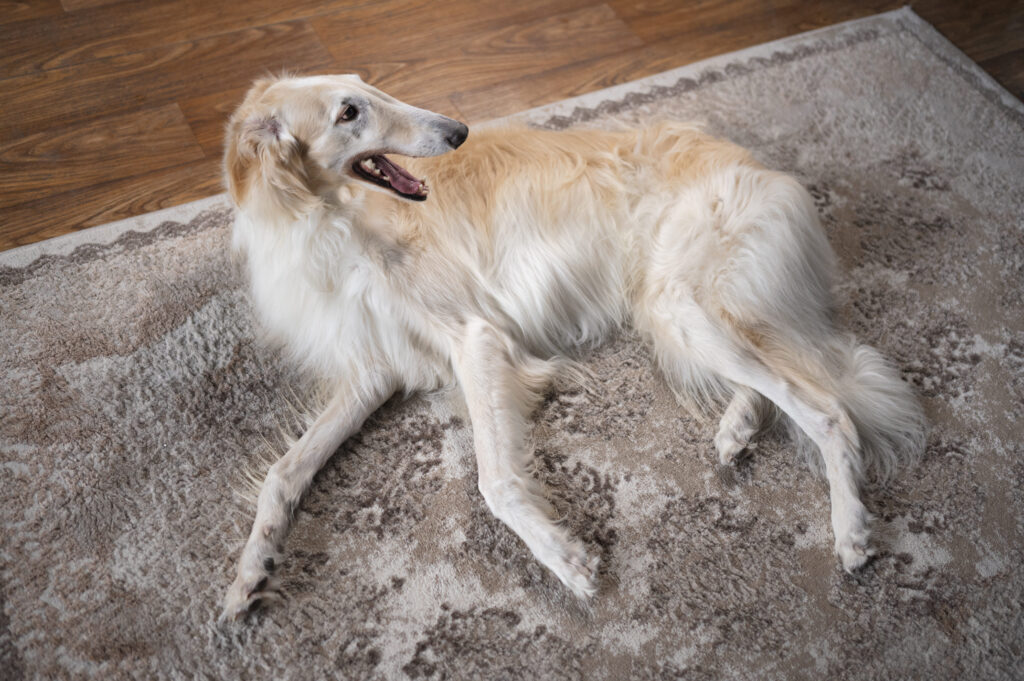
When a dog begins dragging their back legs or can no longer stand on their own, it’s a moment no pet owner is prepared for. Hind leg paralysis can drastically impact dog mobility, independence, and overall happiness. The good news is that many dogs can regain function or adapt successfully with the right treatment approach. By understanding the causes and available treatment options, pet owners can take informed steps toward improving mobility and quality of life.
Paralysis in a dog’s hind legs, often stemming from a severe spinal injury or underlying health condition, can dramatically alter their ability to move, play, and even perform basic functions. Timely diagnosis and appropriate intervention are key to ensuring the best possible outcome. This guide aims to provide pet owners with comprehensive information on navigating this challenging situation, from understanding the signs to exploring various treatment pathways.
Understanding the Causes of Dog Back Leg Paralysis
Many conditions can lead to hind leg paralysis in dogs, ranging from sudden trauma to progressive neurological diseases. Identifying the root cause is the first critical step toward effective dog back leg paralysis treatment.
Common Causes of Hind Leg Weakness and Paralysis
The spinal cord is a delicate structure, and damage to it can severely impact its ability to use its dog hind legs. Some of the most common causes include:
- Intervertebral Disc Disease (IVDD): This is a very frequent cause, especially in breeds prone to back issues like Dachshunds, Corgis, and French Bulldogs. IVDD occurs when the cushioning discs between the vertebrae bulge or rupture, putting pressure on the spinal cord. This can lead to pain, weakness, and eventually paralysis.
- Trauma: Accidents such as being hit by a car, falls, or severe sprains can cause direct damage to the spinal cord or surrounding structures, leading to sudden paralysis.
- Degenerative Myelopathy (DM): A progressive neurological disease, primarily seen in older German Shepherds, Boxers, and Poodles, that slowly degenerates the white matter of the spinal cord. This typically starts with hind leg weakness and progresses to complete paralysis.
- FCE (Fibrocartilaginous Embolism): Often referred to as a “spinal stroke,” this condition occurs when a small piece of cartilage blocks a blood vessel in the spinal cord, leading to sudden onset of weakness or paralysis. It’s usually non-painful and can sometimes resolve with supportive care.
- Tumors: Growths on or near the spinal cord can compress nerves, leading to neurological deficits.
- Infections/Inflammation: Conditions like disc inflammation or certain infectious diseases can affect the spinal cord.
- Toxicity: Exposure to certain toxins can sometimes manifest as neurological symptoms, including hind limb weakness or paralysis. Be aware of common dangers by reading about poisoning in pets.
Recognizing the Signs: When to Seek Veterinary Care
Early detection and intervention are crucial for a better prognosis in many cases of dog back leg paralysis treatment. Pet owners should be vigilant for signs such as:
- Difficulty standing or walking
- Dragging of the hind legs
- Wobbliness or uncoordinated gait
- Pain when touched, especially along the spine
- Incontinence (loss of bladder or bowel control)
- Reluctance to jump or climb stairs
- Trembling or shaking in the hindquarters
- Loss of reflexes in the hind limbs
If you observe any of these symptoms, especially a sudden change in your dog’s mobility, it’s imperative to consult a veterinarian immediately. Delaying care can significantly impact the long-term outcome. Know when to take your dog to an emergency vet for urgent attention.
Diagnostic Approach: Pinpointing the Problem
When a dog presents with hind leg paralysis, a thorough diagnostic workup is essential. This often begins with a comprehensive neurological examination performed by a veterinarian.
Veterinary Examination and Imaging
During the examination, the vet will assess your dog’s reflexes, pain response, muscle tone, and gait. Key diagnostic tools include:
- X-rays: While X-rays primarily show bone, they can help identify spinal fractures, severe arthritis, or certain bone tumors.
- CT Scan (Computed Tomography): Offers detailed cross-sectional images, excellent for visualizing bone structures and disc herniations.
- Ultrasound: Can help evaluate internal organs and rule out other causes of weakness or pain.
- Blood Work: Can rule out underlying infections, inflammatory conditions, or metabolic imbalances contributing to weakness.
Comprehensive Dog Back Leg Paralysis Treatment Options
Once a diagnosis is made, your veterinarian will discuss the most appropriate dog back leg paralysis treatment plan. Treatment options vary widely depending on the underlying cause, severity of paralysis, and overall health of the dog. The goal is always to improve dog mobility, reduce pain, and restore the pet’s quality of life.
Surgical Interventions
Surgery is often recommended for conditions that cause spinal cord compression, such as severe IVDD or spinal tumors. The primary goal of surgery is to decompress the spinal cord, relieving pressure and allowing for recovery of nerve function. Timeliness is often a factor in surgical success, highlighting the impact of delayed emergency care.
Decompressive Surgery: Involves removing the herniated disc material or tumor pressing on the spinal cord.
Spinal Stabilization: In cases of severe trauma or instability, implants may be used to stabilize the spine.
Post-operative care is critical and typically involves pain management, restricted activity, and often physical therapy.
Non-Surgical and Conservative Management
For less severe cases, or when surgery is not an option, conservative management can be effective. This approach focuses on reducing inflammation, managing pain, and supporting healing.
Strict Crate Rest: Limiting movement is paramount to allow the spinal cord to heal without further injury, especially in IVDD cases. This can range from weeks to months.
Medication: Veterinarians may prescribe anti-inflammatory medications, muscle relaxants, and pain relievers to manage discomfort and swelling.
Acupuncture: Can help stimulate nerve function and reduce pain.
Rehabilitation and Physical Therapy
Physical therapy is a cornerstone of dog back leg paralysis treatment for restoring dog mobility, whether after surgery or as part of conservative management. It plays a vital role in recovery and strengthening.
- Hydrotherapy (Underwater Treadmill): Allows dogs to exercise their muscles without bearing their full weight, improving strength and coordination.
- Therapeutic Exercises: Specific exercises to rebuild muscle mass, improve balance, and increase range of motion.
- Massage and Stretching: Helps maintain flexibility, reduce muscle stiffness, and improve circulation.
- Laser Therapy: Can reduce pain and inflammation while promoting tissue healing.
- Electro-stimulation: May be used to maintain muscle mass and stimulate nerve pathways.
Your veterinarian or a certified veterinary rehabilitation therapist will design a customized therapy plan for your pet.
Supportive Devices and Home Care
Pet owners play a significant role in supporting their dog’s recovery at home. Various tools and modifications can greatly enhance their quality of life and aid in healing.
- Mobility Carts/Wheelchairs: For dogs with permanent or long-term paralysis, a custom-fitted wheelchair can provide freedom and independent movement, allowing them to engage in activities they once enjoyed.
- Slings and Harnesses: Aid in supporting your dog during walks and bathroom breaks, preventing further injury.
- Comfortable Bedding: Prevents pressure sores and provides vital support.
- Home Modifications: Ramps for stairs, non-slip rugs, and easy access to food and water bowls can make a big difference for dog mobility.
- Urinary and Fecal Management: Some paralyzed dogs may require assistance with bladder expression or have issues with incontinence, necessitating careful hygiene and potentially specific interventions.
Prognosis and Long-Term Outlook
The prognosis for dogs with back leg paralysis varies greatly depending on the cause, severity, and timeliness of dog back leg paralysis treatment. Some dogs make a full recovery, while others may regain significant dog mobility with ongoing support and physical therapy.
Early detection and prompt veterinary intervention are consistently positive factors for a better outcome.
Even if full recovery of hind leg function isn’t possible, many dogs adjust remarkably well to their new circumstances with the right equipment and dedicated home care. Their strong spirits often shine through, enjoying a good quality of life thanks to the efforts of their devoted pet owners and veterinary care team.
When Every Second Counts: Emergency Situations
In some instances, the onset of hind leg paralysis can be an emergency. If your dog suddenly loses the use of their back legs, is in severe pain, or appears distressed, immediate veterinary care is critical. Conditions like acute IVDD, severe trauma, or certain types of strokes require urgent assessment and intervention to maximize the chances of recovery.
Don’t hesitate to seek emergency services if you notice any sudden and severe symptoms. Understanding pet emergency signs can help you act quickly.
Conclusion
Witnessing your dog struggle with hind leg paralysis can be an incredibly difficult experience, but it’s important to remember that there are many effective dog back leg paralysis treatment options available to help them. From surgical interventions to dedicated physical therapy and supportive home care, the goal is always to restore their dog’s mobility and ensure they can continue to live a fulfilling life. Early diagnosis by your veterinarian is paramount, ensuring that the best course of action is taken as quickly as possible.
At North MS Pet Emergency, we understand the urgency and concern that comes with such a condition. Our team is equipped to provide rapid diagnosis and critical care when your regular vet is closed. If your dog is suddenly experiencing hind leg weakness or paralysis, don’t wait. We’re here to help. Please contact us immediately for urgent assessment and care.
FAQs
1. What causes sudden back leg paralysis in dogs?
Sudden back leg paralysis in dogs can be caused by various conditions, including intervertebral disc disease (IVDD), spinal cord injury from trauma, degenerative myelopathy, or even certain types of strokes or tumors affecting the spine. Prompt veterinary evaluation is crucial for an accurate diagnosis.
2. Can a dog recover from back leg paralysis?
Recovery from back leg paralysis in dogs depends heavily on the underlying cause, the severity of the condition, and the speed of treatment. Some dogs can make a full recovery with appropriate medical or surgical intervention and rehabilitation, while others may require long-term management or assistive devices.
3. What are the treatment options for dog back leg paralysis?
Treatment options vary widely and can include conservative management with anti-inflammatory medications and strict rest, surgical intervention to decompress the spinal cord, acupuncture, physical therapy, hydrotherapy, and assistive devices like wheelchairs. The best approach is determined by the specific diagnosis.
4. How long does it take for a dog to recover from back leg paralysis?
Recovery timelines for dog back leg paralysis are highly variable, ranging from a few weeks to several months, or even longer for more severe cases. Factors like the cause, the extent of nerve damage, and the dog’s age and overall health all play a significant role in the duration of recovery.
5. Is surgery always necessary for dog back leg paralysis?
No, surgery is not always necessary for dog back leg paralysis. For some conditions like mild IVDD, conservative management with rest and medication may be effective. However, for severe cases or certain conditions like spinal cord compression, surgery may be the most effective or only option for recovery.
Recent Posts
-
 Why Do Cats Eat String and When a Swallowed Thread Becomes an Emergency
 -
 What Does Xylitol Do to Dogs and Why It Becomes a Blood Sugar Emergency
 -
 What Happens if a Dog Eats Ibuprofen and When It Becomes an Emergency
 -
 Why Cats Suddenly Lose Use of Their Back Legs From a Blood Clot
 -
 Why Are Lilies Poisonous to Cats and How Fast Symptoms Can Appear