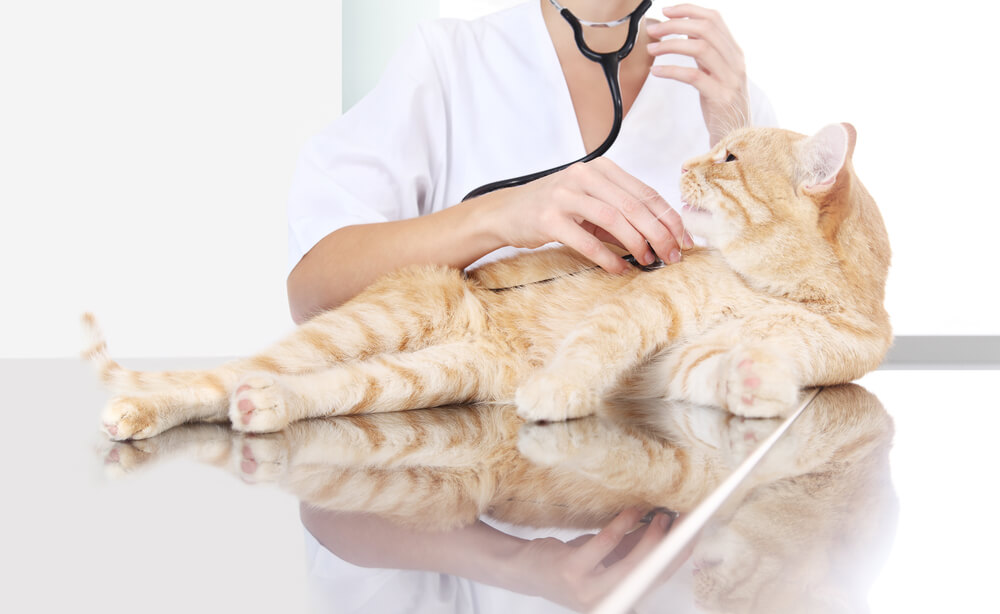
A broken pelvis in cats is a serious condition that requires immediate attention and treatment. The pelvis plays a crucial role in your cat’s ability to move and function and fractures in this area can greatly affect their mobility and quality of life. Early detection and prompt treatment are vital to ensure the best recovery outcome for your cat. In this guide, we’ll walk you through what to expect during a cat’s broken pelvis treatment and recovery, including the diagnostic process, treatment options and how to support your cat throughout their healing journey.
What is a broken pelvis in cats?
A broken pelvis in cats occurs when the bones of the pelvic region fracture due to trauma, such as car accidents, falls, or physical injuries. The pelvis connects the spine to the hind limbs, and a fracture can lead to difficulty walking, pain, and potential nerve damage. Symptoms include limping, reluctance to move, abnormal posture, or loss of bladder control. Treatment typically involves pain management, restricted movement, and sometimes surgery, depending on the severity of the fracture.
Understanding the Pelvis in Cats
The Anatomy of a Cat’s Pelvis
The pelvis is a bony structure located at the base of your cat’s spine, connecting the spine to the hind limbs. It plays a critical role in supporting weight, facilitating movement, and protecting internal organs such as the bladder and intestines. In cats, the pelvis also provides an attachment point for muscles that control walking and running.
A pelvic fracture can severely impair your cat’s mobility and cause significant pain. When the pelvic bones are broken, they can affect your cat’s ability to walk, jump or even use the litter box. Understanding the importance of the pelvis and how it contributes to your cat’s overall mobility is key to appreciating the urgency of cat broken pelvis treatment.
Causes of Pelvic Fractures in Cats
Pelvic fractures can occur due to a variety of reasons. Here are some common causes:
- Accidents: Car accidents or falls from heights are the most common causes of bone fractures in cats. A motor vehicle collision can cause pet trauma and significant injury to the pelvic area.
- Trauma from other pets or physical activity: Rough play with other pets or sudden physical exertion can lead to pelvic injuries.
- Age-related issues: Osteoporosis and weakening bones in senior cats can make them more vulnerable to fractures, even with minor falls. It can also lead to a neurological emergency.
Risk Factors for Pelvic Fractures
Certain factors increase the likelihood of your cat experiencing a pelvic fracture:
- Age: Older cats are more susceptible to fractures due to weakened bones.
- Breed: Larger or more active breeds may face higher risks due to the amount of physical activity they engage in.
- Lifestyle: Cats who are allowed to roam outdoors or who frequently engage in high-risk activities may be at higher risk for trauma or accidents.
Symptoms of a Broken Pelvis in Cats
Common Signs of Pelvic Fracture
Recognizing the symptoms of a broken pelvis in your cat is crucial for getting them the help they need. Watch for the following signs:
- Difficulty walking or moving: Your cat may limp, avoid walking altogether, or move with an abnormal gait.
- Limping: This is one of the most noticeable symptoms. Your cat may favor one leg or show visible discomfort when walking.
- Behavioral changes: Cats with pelvic fractures often hide, avoid certain movements, or act more aggressively due to pain.
- Unresponsiveness or lethargy: If your cat seems unusually tired, lethargic, or disoriented, it could be a sign of trauma.
You can also check this blog on Pet Emergency Signs Every Responsible Pet Owner should know.
How to Identify a Broken Pelvis in Your Cat
If you suspect your cat has a broken pelvis, it’s important to assess their behavior and symptoms. Look for limping, unwillingness to move, swelling around the hip or lower back and signs of pain when touched. If your cat is reluctant to jump, climb stairs or even walk, this may indicate a pelvic fracture. Immediate vet care is necessary to diagnose the condition accurately.
Diagnosis of Pelvic Fracture in Cats
To confirm a pelvic fracture, your veterinarian will perform a physical examination followed by X-rays. X-rays are crucial in determining the exact nature and extent of the fracture. They help identify whether the fracture is a simple break or if more complex damage, such as a displaced fracture, has occurred.
In some cases, the vet may recommend additional diagnostic tests to rule out other injuries. These may include:
- CT scans to get a more detailed image of the pelvis
- Blood tests to check for internal bleeding or organ damage
- Ultrasound to detect soft tissue injuries or abdominal trauma
Treatment of Pelvic Fracture in Cats
Immediate Treatment for Pelvic Fractures
When your cat is first treated for a pelvic fracture, the primary goal is pain management and stabilization. Pain medications are often used to provide relief. Depending on the severity of the fracture, the vet may also apply a bandage or splint to immobilize the area temporarily before more definitive treatment is performed.
Surgical Treatment for Severe Fractures
If your cat has a severe pelvic fracture, surgery may be necessary. Surgical options include pinning, plating or screw fixation to stabilize the bone and promote healing. The decision to proceed with surgery will depend on the severity of the fracture, your cat’s age and overall health.
Non-Surgical Treatment and Pain Management
For mild fractures, surgery may not be required. In such cases, non-surgical treatment involving strict rest, restricted activity and pain medication can be effective. Cats with less severe fractures typically heal well with the right care at home, though regular vet visits are essential to monitor recovery.
Recovery and Long-Term Effects
Post-Treatment Care for a Broken Pelvis
Once the fracture is treated, your cat will need strict rest and restricted activity to allow the pelvis to heal properly. During recovery, it’s essential to:
- Limit physical activity to prevent strain on the pelvis
- Monitor your cat’s mobility and adjust their environment (e.g., using ramps instead of stairs)
- Provide a comfortable and supportive bed to reduce pressure on the injury
Follow-Up Appointments and Rehabilitation
Follow-up appointments and rehabilitation play a crucial role in a cat’s recovery after a pelvic fracture. Rehabilitation options typically include physical therapy, which helps improve mobility and strengthen muscles around the affected area. Hydrotherapy is another option, providing low-impact exercise that aids in the recovery process without putting too much strain on the joints. Your veterinarian may recommend these therapies to help your cat regain full function, ensuring a smoother recovery and preventing long-term mobility issues.
Prognosis for Cats with Pelvic Fractures
With proper treatment and care, most cats make a full recovery from pelvic fracture. Cats typically return to normal activity after healing, although recovery time can vary based on the severity of the fracture and the treatment approach.
Watch for signs that treatment may not be working, such as:
- Persistent pain despite medication
- Reduced mobility or continued limping
- Swelling or inflammation at the fracture site
If any of these symptoms appear, consult your vet to assess your cat’s progress and determine if further intervention is needed.
Conclusion
A broken pelvis is a serious injury, but with prompt treatment and proper care, your cat can recover and regain full mobility. Early intervention is key and working closely with your veterinarian will help ensure the best possible outcome for your cat. Whether through surgical treatment or conservative management, managing a pelvic fracture requires patience but the results are worth it.
At North MS Pet Emergency, we provide expert care for cats with broken pelvises and other emergency conditions. If your cat is injured, contact us immediately for emergency care. We are here to help your pet recover and live a happy, healthy life.
Contact Us Now for immediate care, or visit us for after-hours emergency care for pets.
FAQs
1. Can a Cat Recover from a Broken Hip Without Surgery?
Yes, many cats can recover from a broken hip without surgery, depending on the severity of the fracture. Conservative treatment like cage rest, pain medication, and restricted activity can allow healing. Consult your vet to determine the best approach.
2. How Much Does It Cost to Fix a Cat’s Broken Hip?
The cost to fix a cat’s broken hip depends on the treatment approach. Surgery typically costs more due to anesthesia, surgical procedures, and hospital stays. Non-surgical treatment like cage rest and medication is less expensive but still requires follow-up care.
3. What is Life Expectancy After a Hip Fracture in Cats?
With proper treatment, cats can live long, healthy lives after a hip fracture. Recovery time varies, but most cats regain full mobility and function. If complications arise, such as arthritis or chronic pain, they may require ongoing care.
4. How to Lift a Cat with a Broken Pelvis?
When lifting a cat with a broken pelvis, support their back and hind legs. Use a towel or blanket to gently lift and avoid putting pressure on the pelvic area. Always handle with care and avoid jerking motions.
5. Can I Treat My Cat’s Broken Pelvis at Home?
While home treatment is necessary for mild fractures, it’s essential to consult a vet for diagnosis. Cage rest, pain management, and restricted activity are crucial parts of at-home care. However, surgery may be required for severe fractures.
Recent Posts
-
 Why Do Cats Eat String and When a Swallowed Thread Becomes an Emergency
 -
 What Does Xylitol Do to Dogs and Why It Becomes a Blood Sugar Emergency
 -
 What Happens if a Dog Eats Ibuprofen and When It Becomes an Emergency
 -
 Why Cats Suddenly Lose Use of Their Back Legs From a Blood Clot
 -
 Why Are Lilies Poisonous to Cats and How Fast Symptoms Can Appear