Contents
It’s a scenario every cat owner dreads: your adventurous feline comes home with an unexpected injury. A simple scratch, a puncture from an outdoor altercation, or even a surgical incision can quickly become a serious health concern if not properly managed. Knowing how to clean a cat wound is crucial for preventing infections and ensuring your beloved pet’s swift recovery. While some minor scrapes might heal on their own, many require careful attention to avoid complications.
Understanding the importance of immediate first aid and proper wound management cannot be overstated. Untreated open wounds can lead to severe infections, pain, and even systemic issues that can compromise your cat’s overall health. This guide will walk you through the necessary steps for effective cat wound care, empowering you to respond confidently when your pet needs you most.
Recognizing a Cat Wound
Cats are notoriously good at hiding pain and discomfort, making it essential for pet owners to be vigilant. Changes in behavior or subtle physical signs can indicate the presence of a wound. Early detection is key, especially when dealing with open wounds that are highly susceptible to contamination.
Common Types of Cat Wounds
Cat wounds can range from superficial to deep and complex. Knowing what to look for helps in assessing the urgency of veterinary care.
- Puncture Wounds: Often from fights with other animals, these can look small on the surface but can be deep, trapping bacteria inside.
- Lacerations/Cuts: Typically caused by sharp objects, these involve a tear in the skin and may bleed significantly.
- Abrasions: Scrapes where the top layer of skin is removed, often from sliding or rough contact.
- Bites: From other animals, these almost always introduce bacteria and can lead to abscesses.
- Surgical Incisions: While controlled, these still require careful post-operative cat wound care.
Signs Your Cat May Have a Wound
Look for these indicators that your cat might be injured:
- Limping or Favoring a Limb: A clear sign of pain or injury in a specific area.
- Excessive Licking or Chewing: Cats instinctively try to clean or soothe painful spots.
- Swelling or Redness: Inflammation around an injured area often signals underlying trauma or infection.
- Discharge or Pus: A clear indicator of an active infection.
- Foul Odor: A strong, unpleasant smell emanating from the wound is a serious sign of bacterial growth.
- Behavioral Changes: Lethargy, loss of appetite, aggression, or hiding can all point to discomfort or pain. For critical changes, it’s wise to understand when to take your dog to an emergency vet, which offers relevant insights for cats too.
- Matted Fur Around an Area: Could be an attempt by your cat to cover or clean a wound, or it might be related to discharge.
If you observe any of these signs, it’s important to investigate gently and prepare to act. Remember, some wounds, especially puncture wounds, can be very subtle.
Immediate First Steps for Cat Wound Care
Your first responders skills as a pet owner are vital before professional help can be obtained. Knowing how to clean a cat wound initially can make a significant difference in preventing infection and stabilizing your cat.
Prioritizing Safety
When a cat is injured, even the most gentle and normally calm cats may react defensively because of pain and fear. For your safety, it is important to approach slowly and remain calm. If it is safe to do so, using a soft muzzle or wrapping your cat securely in a thick towel can help prevent bites or scratches. Always handle your cat gently, avoiding sudden movements or pressure on the injured area. If possible, ask another person to assist you so one individual can calmly restrain the cat while the other provides care or prepares for transport.
Assessing the Wound
Once safety is established, performing a quick visual assessment can help you understand the severity of the injury and decide what to do next. Start by observing any bleeding to determine whether it is heavy and continuous or minor and beginning to clot. Next, look at the depth and size of the wound to see if it appears to be a superficial scrape or a deep gash, and check whether any foreign objects are embedded. Pay attention to swelling or skin discoloration, which can indicate inflammation or bruising beneath the surface. Finally, evaluate your cat’s pain level by noting whether they react sharply or become distressed when you gently approach the injured area.
If the wound is deep, bleeding heavily, involves a joint, or you suspect a broken bone, it’s an emergency. Contact your veterinarian immediately. For less severe open wounds, you can proceed with initial cleaning.
How to Clean a Cat Wound: Step-by-Step Guide
Properly cleaning a cat wound is critical in minimizing bacterial contamination and promoting healing. Always remember that for serious injuries, veterinary intervention is non-negotiable. This guide focuses on initial home care for minor to moderate wounds.
Gather Your Supplies
Before you begin, have all your materials ready to minimize stress for your cat.
- Protective Gear: Gloves for yourself.
- Clippers/Scissors: To trim fur around the wound (ensure they are blunt-tipped and disinfected).
- Antiseptic Solution: Vetericyn, chlorhexidine solution (diluted), or povidone-iodine (diluted) are safe options. Avoid hydrogen peroxide or rubbing alcohol, as these can damage tissue and delay healing.
- Sterile Saline Solution: For rinsing. You can make this by boiling water and adding a pinch of salt if you don’t have sterile saline.
- Cotton Balls or Gauze Pads: For gentle cleaning and application of solutions.
- Clean Towels: For comfort and absorption.
Bandage Material (Optional, but recommended for some wounds): Non-stick pads, gauze rolls, and self-adhering veterinary wrap. This is crucial for proper cat wound care in some situations.
The Cleaning Process
Follow these steps carefully to ensure effective and safe cleaning.
- Sedate/Restrain (if necessary): If your cat is agitated, a gentle restraint or distraction with treats may be helpful. If they are too distressed, professional help is required.
- Expose the Wound: Carefully trim any fur around the wound using blunt-nosed scissors or clippers. This prevents contamination and allows for better visibility. Be extremely careful not to cut the skin.
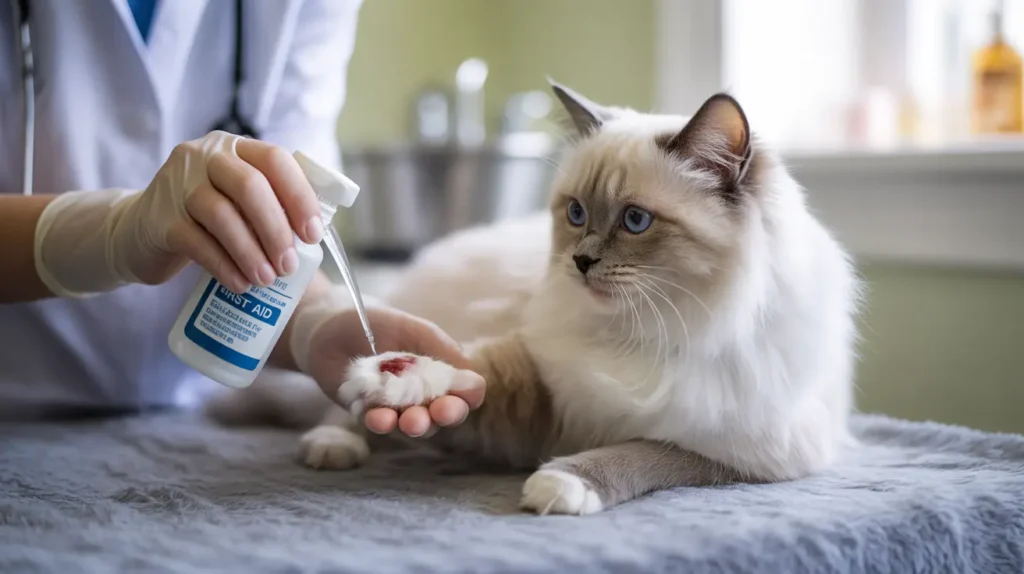
- Irrigate with Sterile Saline: Gently flush the wound thoroughly with sterile saline solution to remove loose debris, dirt, and bacteria. You can use a syringe (without a needle) to create gentle pressure. Continue until the wound appears clean.
- Apply Antiseptic Solution: If directed by your vet or for minor wounds, gently dab the antiseptic solution around the wound and lightly into the wound with a clean gauze pad. Do not scrub harshly. Allow it to air dry or gently blot with a clean gauze.
- Remove Foreign Objects (if safe): For very superficial debris, you can carefully pick it out with clean tweezers if it’s easily accessible. Never attempt to remove deeply embedded objects, as this can cause further damage or bleeding. This requires a veterinarian.
When to Seek Veterinary Care
Not all wounds can be managed at home. Contact your veterinarian immediately if you observe any of the following:
- Deep or heavily bleeding wounds
- Puncture wounds (especially from animal fights)
- Wounds near eyes, mouth, or joints
- Wounds with visible bone or tendon exposure
- Any wound that doesn’t stop bleeding after 5-10 minutes of direct pressure
- Signs of infection (swelling, redness, pus, foul odor, heat)
- Your cat is in severe pain or lethargic
You suspect how to clean a cat wound is beyond your abilities or the wound is worsening quickly, similar to how one might need help with pet skin infections.
Dressing and Aftercare: Preventing Infection
After initially cleaning the wound, proper dressing and ongoing care are crucial for preventing infection and supporting the healing process. This is where diligent cat wound care truly shines.
Applying a Dressing (If Necessary)
Not all wounds require bandaging. Minor scrapes might heal better with open air, but deeper or larger wounds, or those in areas prone to contamination, benefit from a protective dressing. Using appropriate bandage material ensures the wound stays clean and protected.
- Non-Stick Pad: Place a sterile, non-stick pad directly over the wound. This prevents the dressing from adhering to the healing tissue.
- Absorbent Gauze: Layer absorbent gauze pads over the non-stick pad to soak up any exudate.
- Conforming Wrap: Secure the gauze with a conforming gauze roll, wrapping it snugly but not too tightly to avoid restricting blood flow. Always be able to fit two fingers underneath the wrap.
- Protective Outer Layer: Finish with a self-adhering veterinary wrap (like VetWrap) or medical tape. Ensure all edges are secure.
Monitoring for Infection
Daily monitoring is essential. Infection can set in quickly and escalate to serious conditions like pet sepsis. Look for these signs:
- Increased Redness and Swelling: Beyond the initial healing phase.
- Pus or Discharge: Yellow, green, or thick discharge.
- Foul Odor: A strong, unpleasant smell from the wound.
- Heat: The wound area feels unusually warm to the touch.
- Pain: Your cat shows increased sensitivity or avoids touching the area.
- Lethargy or Fever: Systemic signs that the infection is affecting your cat’s general health.
If you see any of these signs, contact your veterinarian immediately. Early intervention is key to effective treatment.
Changing Dressings and Ongoing Care
Regular dressing changes are essential to maintain cleanliness and track how well the wound is healing. Dressings should be changed daily, or sooner if they become wet or soiled. Before each change, wash your hands thoroughly and wear gloves to reduce the risk of contamination. During every dressing change, gently re-clean the wound using saline or a veterinarian-approved antiseptic solution as instructed.
It is important to keep the area dry and prevent your cat from licking or chewing at the wound, which may require using an Elizabethan collar. Always follow your veterinarian’s instructions carefully, including giving any prescribed antibiotics or pain relief exactly as directed, to support proper healing and prevent complications.
What if My Cat Refuses to Cooperate?
Some cats are simply too uncooperative for home wound care. If your cat is aggressive, extremely fearful, or you cannot safely clean or dress the wound, do not force it. This can cause further injury to both of you. In such cases, professional veterinary assistance is necessary for sedating or expertly handling your cat.
The Role of Professional Veterinary Care
While knowing how to clean a cat wound at home is invaluable, it’s often just the first step. Many wounds require professional assessment and treatment to ensure complete healing and prevent long-term complications. Your veterinarian has the expertise and tools to manage complex injuries.
When to Call the Vet
Prompt veterinary care can be life-saving. Don’t delay if:
- The wound is deep, gaping, or involves significant tissue loss.
- There’s continuous, heavy bleeding.
- You suspect internal injury or foreign objects are embedded.
- The wound area is extremely painful or swollen.
- Your cat appears lethargic, feverish, or has lost appetite.
- The wound shows any signs of infection despite home care.
- You are unsure about the severity or proper treatment.
For any sudden illness or injury, understanding pet emergency signs can guide your decision to seek immediate help.
Veterinary Treatment Options
The type of veterinary treatment recommended depends on the severity, depth, and location of the wound. Your veterinarian may begin with thorough cleaning and debridement to remove dead tissue, debris, or contamination that could delay healing. Deep or gaping wounds may require suturing or stapling to close the skin properly, while puncture wounds or abscesses sometimes need drain placement to allow trapped fluid to escape.
Antibiotics may be prescribed orally or by injection to control or prevent infection, and pain management is often included to keep your cat comfortable during recovery. In many cases, professional bandaging and detailed wound care instructions are provided to support ongoing healing at home. Radiographs may also be taken to check for foreign objects, underlying bone damage, or complications not visible on the surface.
Delayed emergency care can have profound impacts on your pet’s recovery, highlighting the importance of making timely decisions when faced with an injury or illness. Learn more about the impact of delayed emergency care.
Conclusion
As a pet owner, being prepared for emergencies is part of the responsibility. Knowing how to clean a cat wound and understanding when to seek professional help are critical skills. Prompt, careful cat wound care at home can often prevent minor issues from becoming major problems, but recognizing the limits of home care and seeking veterinary attention when necessary is paramount. Your cat relies on you for their well-being, and proactive management of injuries significantly contributes to their overall quality of life.
At North MS Pet Emergency, we understand that emergencies don’t keep normal business hours. If your cat has an injury or needs urgent care, we are here to provide expert, compassionate care when your regular vet is closed. Don’t hesitate to contact us for immediate assistance.
FAQs
1. What supplies do I need to clean a cat wound at home?
You’ll need sterile saline solution (or warm water and a little salt), clean gauze or cotton balls, and potentially an antiseptic wipe recommended by a vet. Avoid harsh chemicals like hydrogen peroxide or rubbing alcohol as they can damage tissue.
2. How do I safely clean an open wound on my cat?
Gently flush the wound with sterile saline or warm, salty water to remove debris. Pat the area dry with clean gauze, and if recommended by your vet, apply a thin layer of antibiotic ointment. Always handle your cat calmly and consider wearing gloves.
3. When should I take my cat to the vet for a wound?
You should take your cat to the vet immediately if the wound is deep, bleeding heavily, appears infected (redness, swelling, pus), or if your cat is in pain, lethargic, or not eating. Puncture wounds, especially from bites, also warrant a vet visit due to infection risk.
4. How often should I clean my cat’s wound?
The frequency depends on the wound’s severity and your vet’s instructions. Minor wounds might need cleaning once or twice a day, while more serious wounds could require more frequent attention. Always follow your veterinarian’s guidance.
Recent Posts
-
 What Pet Owners Should Expect With a Dog Femur Bone Fracture
 -
 Injuries That Require Immediate Care After a Cat Is Hit by a Car
 -
 Early Signs of Grape Toxicity in Dogs That Should Never Be Ignored
 -
 Dog Back Leg Paralysis Treatment That Can Improve Mobility Outcomes
 -
 How to Properly Clean a Cat Wound and Prevent an Infection