Contents
- 1 What Is Canine Parvovirus?
- 2 Which Dogs Are Most at Risk?
- 3 Signs and Symptoms of Parvovirus in Dogs
- 4 How Is Parvovirus Diagnosed?
- 5 Dog Parvovirus Treatment: What to Expect
- 6 Can Dog Parvo Treatment Be Done at Home?
- 7 Isolation and Decontamination
- 8 Recovery and Long-Term Outlook
- 9 Preventing Parvovirus
- 10 Conclusion
- 11 FAQs
- 11.1 Q: How long does dog parvovirus treatment usually take?
- 11.2 Q: What are the earliest signs of parvovirus in dogs?
- 11.3 Q: Can vaccinated dogs still get parvovirus?
- 11.4 Q: Is dog parvo treatment effective if started late?
- 11.5 Q: How do I know if my dog’s environment is still contaminated after parvo?
Parvovirus is one of the most terrifying diagnoses a dog owner can face. This highly contagious and potentially fatal viral infection spreads rapidly and can take a healthy puppy from playful to critically ill within just a day or two. Understanding dog parvovirus treatment early gives your pet the best possible chance of survival and a full recovery.
Parvovirus attacks the gastrointestinal tract and in some cases the heart muscle. It is most dangerous in unvaccinated puppies and young dogs but can affect dogs of any age. With prompt veterinary care and the right supportive treatment, many dogs do recover. The challenge is that the window for effective intervention is narrow, making early recognition absolutely essential.
What Is Canine Parvovirus?
Canine parvovirus, often called parvo, is a highly infectious viral disease caused by the canine parvovirus type 2 (CPV-2). The virus spreads through direct contact with an infected dog or through contact with contaminated feces, soil, surfaces, food bowls or clothing. It is extremely durable in the environment and can survive for months outside of a host, making it difficult to contain once it is present in an area.
The virus targets rapidly dividing cells in the body. In puppies and young dogs, this means the cells lining the intestinal tract are attacked first, disrupting the gut’s ability to absorb nutrients and fluids. In very young puppies, the heart muscle can also be affected, leading to a form called myocarditis.
Canine parvovirus treatment is almost always supportive rather than curative, meaning there is no antiviral drug that directly eliminates the virus. Instead, treatment focuses on keeping the dog alive and stable while the immune system fights the infection.
Which Dogs Are Most at Risk?
Parvovirus can infect any dog that has not been vaccinated or has not completed the full vaccination series. However, certain groups face a higher level of risk.
Puppies between six weeks and six months of age are the most vulnerable because their immune systems are still developing and the maternal antibodies received through nursing begin to decline. Breeds such as Rottweilers, Doberman Pinschers, American Pit Bull Terriers, Labrador Retrievers and German Shepherds appear to be more susceptible to severe illness even when vaccinated.
Dogs living in shelters, kennels, dog parks or densely populated environments face greater exposure risk. Unvaccinated adult dogs are also at risk, particularly if they have never received a parvo vaccine or if their vaccination history is unknown.
Signs and Symptoms of Parvovirus in Dogs
Recognizing the early symptoms of parvovirus is critical because the condition deteriorates quickly. The incubation period after exposure is typically three to seven days, and symptoms can progress from mild to severe within 24 to 48 hours.
Common symptoms include lethargy and sudden loss of energy, loss of appetite or complete refusal to eat, severe vomiting that may occur repeatedly, bloody or foul-smelling diarrhea, fever or in advanced cases a dangerously low body temperature, abdominal pain and bloating, and dehydration signs such as dry gums, sunken eyes and skin that stays tented when gently pulled.
The combination of vomiting and diarrhea causes dog dehydration to set in rapidly, which is one of the most life-threatening aspects of parvovirus. Dehydration disrupts electrolyte balance, affects circulation and can lead to shock if not treated urgently. You can read more about recognizing and managing severe dehydration in pets to understand how quickly this becomes dangerous.
How Is Parvovirus Diagnosed?
When a dog presents with signs consistent with parvo, a veterinarian will typically perform a rapid in-clinic test using a fecal sample. This test can detect parvovirus antigen within minutes and is highly accurate. A positive result combined with clinical signs generally confirms the diagnosis.
Additional diagnostics may include blood work to assess white blood cell count, which is typically very low in parvo patients as the virus suppresses immune function. Blood chemistry panels help evaluate organ function and the severity of dehydration and electrolyte imbalances. X-rays may be used to rule out other causes of gastrointestinal distress.
Dog Parvovirus Treatment: What to Expect
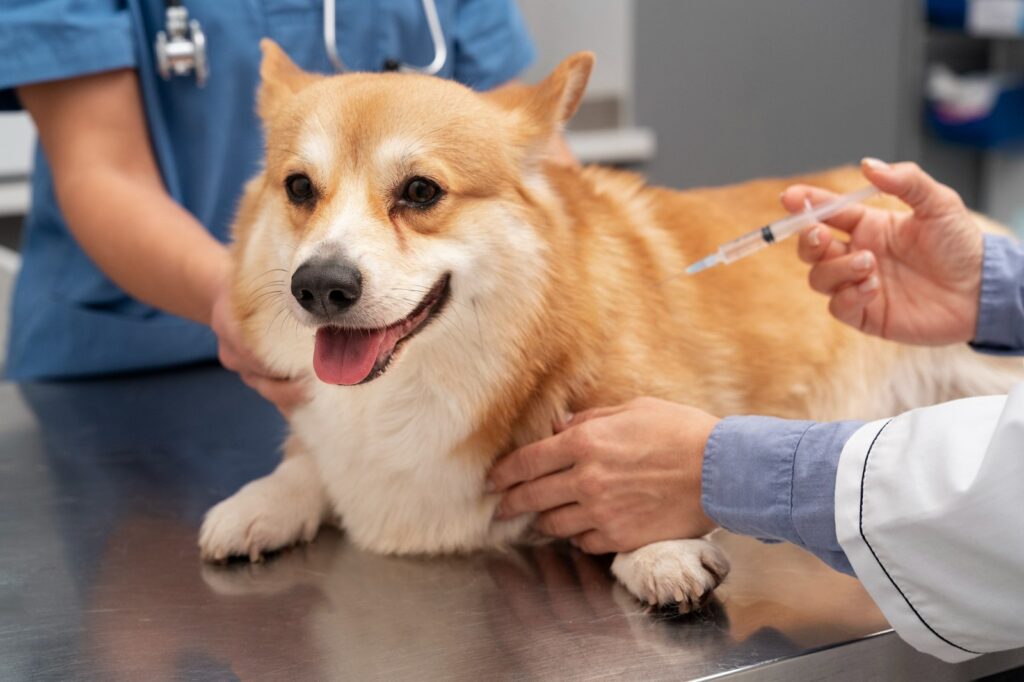
There is no medication that kills the parvovirus directly. Dog parvovirus treatment is entirely focused on supporting the body through the infection while preventing secondary complications from taking over.
Hospitalization and Intravenous Fluids
The cornerstone of canine parvovirus treatment is aggressive fluid therapy. Because infected dogs are losing fluids rapidly through vomiting and diarrhea, intravenous fluids are used to restore hydration, maintain blood pressure and correct electrolyte imbalances. Oral fluids are not adequate during active parvo illness because the gut lining is too damaged to absorb them properly.
Hospitalization allows veterinary staff to monitor the dog continuously, adjust fluid rates and respond quickly to changes in condition. Dogs receiving in-hospital treatment have significantly better survival rates than those treated at home.
Medications Used During Treatment
Several medications are used alongside fluid therapy to manage symptoms and prevent secondary infections. Anti-nausea medications help control vomiting and allow the dog to rest. Antibiotics are given not to fight the virus itself but to prevent bacterial infections from entering the bloodstream through the damaged intestinal lining, a condition called bacterial translocation or sepsis.
Pain management is also part of a complete treatment plan. Dogs with parvo experience significant abdominal discomfort and keeping them as comfortable as possible supports recovery. Gastrointestinal protectants may also be added to the protocol depending on the dog’s condition. Your veterinarian will determine which specific medications are appropriate based on your dog’s individual presentation.
Nutritional Support
Once vomiting is controlled, early reintroduction of nutrition is important. The intestinal lining needs nutrients to begin healing. Veterinarians may recommend a feeding tube or small frequent meals of highly digestible food. This step is reintroduced gradually and always guided by the dog’s clinical response.
Plasma or Blood Transfusions
In severe cases where the dog’s protein levels drop critically low due to intestinal damage, plasma transfusions may be needed to restore oncotic pressure and keep fluids within the bloodstream. This is a more advanced intervention used in the most serious cases.
Can Dog Parvo Treatment Be Done at Home?
This is a question many owners ask, particularly when hospitalization costs are a concern. In very mild cases with early detection and close veterinary guidance, some degree of outpatient management may be discussed with a veterinarian. However, home treatment alone carries a significantly higher risk of death.
The primary problem is that dog dehydration from parvo cannot be effectively managed with oral fluids when vomiting is frequent. Without IV access, it is nearly impossible to deliver the level of hydration and electrolyte correction the dog needs. Additionally, monitoring for sepsis, low blood sugar and declining protein levels requires laboratory equipment that is not available at home.
If you genuinely cannot access emergency hospitalization immediately, contact a veterinarian for guidance, keep the dog warm and separated from other pets, offer small amounts of an electrolyte solution if they can keep it down and get to a clinic as fast as possible. Read more about pet emergency signs every owner should know to help you decide when to act without delay.
Isolation and Decontamination
Because parvovirus is so contagious, any dog diagnosed with it must be isolated immediately from other dogs. This includes other household pets that may not yet be showing symptoms. Contaminated areas must be cleaned with a diluted bleach solution as most household disinfectants are not effective against CPV-2.
All bedding, bowls, leashes and surfaces that the infected dog has contacted should be treated. The virus can survive outdoors in soil and grass for months, so areas where the dog was walked or played should be considered contaminated until thoroughly disinfected or left unused for an extended period.
Veterinary clinics have strict protocols for handling parvo patients to prevent spread within the facility, including dedicated isolation wards and staff protective equipment.
Recovery and Long-Term Outlook
With prompt and appropriate veterinary care, the survival rate for dogs receiving in-hospital canine parvovirus treatment is estimated between 68 and 92 percent, depending on the age of the dog and how quickly treatment began. Without treatment, the mortality rate is often above 90 percent.
Recovery typically takes 5 to 10 days in hospital. After discharge, dogs continue to shed the virus in their feces for up to two weeks and should be kept away from other unvaccinated dogs. The intestinal lining takes time to fully heal, so a bland diet and limited exercise are recommended during the first few weeks at home.
Dogs that recover from parvo generally develop strong immunity to future infection. Most vets recommend continuing the full vaccination schedule after recovery.
Preventing Parvovirus
Vaccination is the single most effective way to prevent parvovirus. Puppies should receive their first parvo vaccine at six to eight weeks of age, followed by boosters every three to four weeks until they are 16 weeks old. A booster is given one year later then every one to three years in adulthood depending on the veterinarian’s recommendation.
Until a puppy has completed the full series, they should not visit dog parks, pet stores, boarding facilities or any area where unknown dogs have been. Unvaccinated dogs should be kept away from these environments entirely. This is especially important in areas where parvo has been reported recently.
Conclusion
Parvovirus is a serious disease but it is not a death sentence when caught early and treated aggressively. Recognizing the signs quickly and pursuing proper dog parvovirus treatment without delay gives your dog the best chance at a full recovery. Vaccination remains the most reliable form of prevention and is one of the most important steps a responsible dog owner can take.
At North MS Pet Emergency, our team is available after hours and throughout weekends to provide critical care for dogs facing parvovirus and other life-threatening emergencies. If your dog is showing signs of parvo, do not wait. Contact us immediately for emergency support.
FAQs
Q: How long does dog parvovirus treatment usually take?
A: Most dogs require five to ten days of in-hospital treatment. After discharge, full intestinal recovery can take several weeks. Dogs should remain on a bland diet, avoid strenuous activity and stay away from unvaccinated dogs during this period.
Q: What are the earliest signs of parvovirus in dogs?
A: Early signs include sudden lethargy, loss of appetite and mild vomiting. These can progress rapidly to bloody diarrhea and severe dehydration. Any combination of these symptoms in an unvaccinated dog or puppy warrants immediate veterinary attention.
Q: Can vaccinated dogs still get parvovirus?
A: Vaccination greatly reduces the risk but does not guarantee complete immunity in all cases. Certain breeds appear more susceptible. If a vaccinated dog shows parvo symptoms, veterinary evaluation is still important to rule it out.
Q: Is dog parvo treatment effective if started late?
A: Treatment started in the later stages is less effective and carries a higher risk of complications. Early intervention dramatically improves survival rates. Any delay in seeking care increases the risk of sepsis, organ failure and death from dog dehydration.
Q: How do I know if my dog’s environment is still contaminated after parvo?
A: Parvovirus survives in soil and on surfaces for months. Bleach diluted at a 1:30 ratio is effective on hard surfaces. Outdoor soil areas are harder to decontaminate and should be avoided by unvaccinated dogs for at least six months after known contamination.
Recent Posts
-
 What Are Symptoms of Anemia in Dogs and When to Seek Help
 -
 What Can Cause Kidney Failure in Cats and How to Spot Early Signs
 -
 How to Treat Cat Asthma Attack at Home Safely and Effectively
 -
 Everything You Need to Know About Dog Parvovirus Treatment
 -
 How Vets Approach Feline Upper Respiratory Infection Treatment for Fast Recovery