Contents
Recognizing the early signs of pneumonia in dogs can make a life-saving difference. Pneumonia progresses quickly, especially in puppies, senior dogs, or dogs with weakened immune systems. When caught early, treatment is more successful, breathing improves faster, and the risk of complications decreases. Because pneumonia in dogs often begins with subtle symptoms, sometimes mistaken for kennel cough or a mild cold, many pet owners delay seeking help. Early intervention at an emergency veterinary hospital ensures your dog receives the right level of care before the illness becomes severe.
Pneumonia in dogs can develop from infections, aspiration events, or underlying medical conditions, and recognizing symptoms early helps prevent lung damage and respiratory distress. This guide explains the warning signs, what causes pneumonia, how veterinarians diagnose and treat it, and when urgent care is essential.
What Is Pneumonia in Dogs?
Pneumonia in dogs is an inflammation of the lungs and lower airways caused by infectious agents, aspiration, or environmental factors. It affects a dog’s ability to breathe and get enough oxygen to the body. There are two major forms:
Infectious Pneumonia
This occurs when bacteria, viruses, or fungi enter the airways. One common culprit is Bordetella bronchiseptica, which can progress from kennel cough into bacterial pneumonia.
Aspiration Pneumonia
Aspiration happens when food, water, vomit, or stomach acid is inhaled instead of swallowed properly. Dogs with acid reflux, vomiting disorders, or feeding tube misplacement are at higher risk.
Regardless of the cause, inflammation leads to fluid accumulation, airway obstruction, and difficulty breathing, making early detection essential.
Early Signs of Pneumonia in Dogs
The early signs of pneumonia in dogs can appear suddenly or develop over several days. Some are mild, while others show clear respiratory distress.
Common early symptoms include:
- Coughing that worsens with time: A progressing cough that becomes wetter or more productive often indicates fluid or inflammation in the lungs, making it one of the earliest noticeable signs of developing pneumonia in dogs.
- Breathing difficulties: Dogs may struggle to breathe comfortably, showing increased effort, abdominal involvement, or persistent panting even at rest, signaling compromised lung function and possible early pneumonia.
- Nasal whistling or wheezing: When swelling or mucus narrows the airways, airflow creates whistling or wheezing sounds, offering clear evidence that respiratory congestion is developing and may indicate early pneumonia progression.
- Lethargy or fatigue: Dogs with early pneumonia often tire quickly, showing reduced energy and reluctance toward normal activities, as their bodies struggle to compensate for reduced oxygen levels and respiratory effort.
- Loss of appetite: Difficulty breathing can make dogs uncomfortable during meals, leading to reduced interest in food or refusal to eat, a common early sign of respiratory illness such as pneumonia.
- Fever in cases of bacterial infection: A rising body temperature often accompanies bacterial pneumonia, signaling the immune system’s active response and helping identify early illness when paired with other respiratory symptoms in affected dogs.
Subtle early signs often mistaken for a mild cold:
- Mild coughing after play
- Slight nasal discharge
- Quiet or slower-than-usual behavior
Even mild symptoms can progress quickly, especially with aspiration pneumonia. Dogs should be evaluated immediately if symptoms worsen or if the dog struggles to breathe.
Common Causes of Pneumonia in Dogs
Pneumonia can develop for several reasons, and understanding these helps dog owners identify risks early.
Infectious causes
- Bacterial infections from Bordetella bronchiseptica or other respiratory pathogens
- Viral infections that weaken the lungs
- Fungal infections in specific regions
Aspiration causes
Aspiration pneumonia often occurs due to:
- Vomiting or regurgitation during gastrointestinal illness
- Acid reflux leading to inhalation of stomach contents
- Feeding tube misplacement or improper feeding technique
Trauma or underlying conditions
- Neuromuscular disorders that impair swallowing
- Severe dehydration or weakness affecting normal airway protection
- Immune compromise making it easier for infections to spread
Because some causes are sudden (like aspiration) and others develop gradually (like infectious pneumonia), ongoing monitoring of breathing and energy level is crucial.
How Veterinarians Diagnose Pneumonia
A proper diagnosis requires identifying the cause and determining how severely the lungs are affected. Veterinarians begin with a full respiratory evaluation. Diagnostic steps include:
1. Physical Examination: The vet listens for lung crackles, wheezing, or reduced airflow. Increased effort during breathing also provides important clues.
2. Chest X-rays: Radiographs help confirm fluid buildup, airway inflammation, and lung consolidation. X-rays also help rule out trauma or foreign bodies.
3. Blood Work: Blood tests check for infection, dehydration, and oxygenation status.
4. Oxygen Level Assessment: Dogs with severe respiratory distress may need immediate oxygen therapy even before testing is complete.
5. Airway Cultures (if needed): In chronic or severe cases, cultures help identify the exact type of bacteria so targeted treatment can begin.
Prompt diagnosis allows the veterinary team to administer lifesaving treatment quickly.
Treatment Options for Pneumonia in Dogs
Treatment depends on the cause and severity of pneumonia. Dogs with early or mild symptoms may recover with outpatient care, while dogs with breathing difficulties often require hospitalization. Treatment may include:
Intravenous (IV) Antibiotics
Used when bacterial pneumonia is confirmed or strongly suspected. IV antibiotics act quickly, helping reduce infection, stabilize breathing, and prevent the pneumonia from progressing into a more severe or life-threatening condition.
Oxygen Support
Provides concentrated oxygen to dogs struggling to breathe. Oxygen therapy stabilizes low oxygen levels, reduces respiratory effort, and supports vital organs while the lungs recover from inflammation, infection, or congestion.
Nebulization
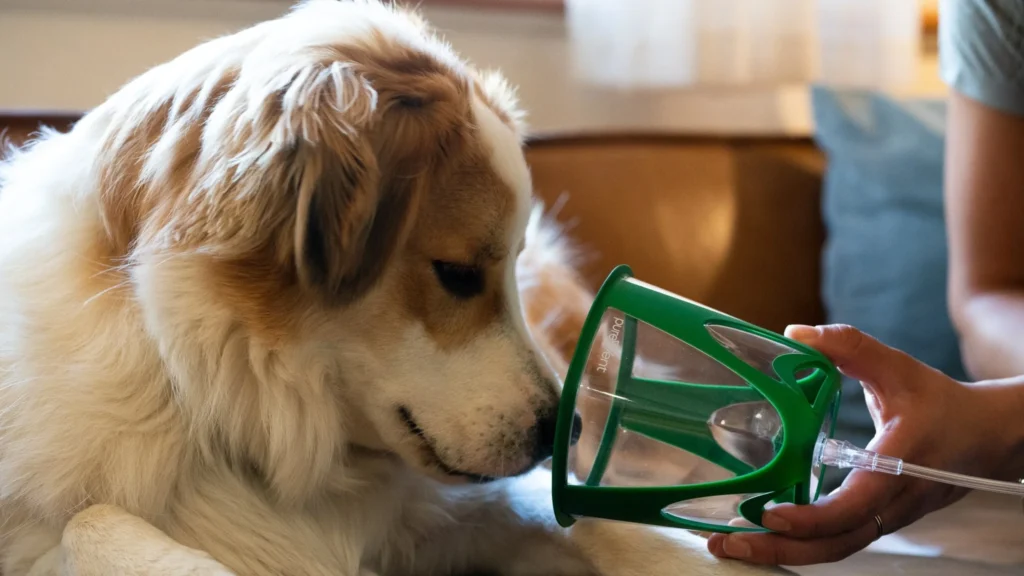
Delivers fine moisture particles directly into the airways. This helps loosen thick mucus, reduces airway irritation, improves airflow, and makes breathing easier for dogs with infectious or aspiration pneumonia.
Steam Treatment
Warm steam gently hydrates irritated airways, loosens mucus, and helps open congested lung passages. This supportive therapy is often combined with nebulization to enhance breathing comfort and mucus removal.
Fluid Therapy
IV fluids help correct dehydration caused by pneumonia. They also thin mucus, improve circulation, support organ function, and help dogs maintain strength while recovering from respiratory illness.
Rest and Monitoring
Strict rest reduces strain on the lungs and prevents relapse. Continuous monitoring allows early detection of worsening symptoms such as increased coughing, rapid breathing, or decreased appetite.
Severe pneumonia may require several days of hospitalization, especially when aspiration occurs or if oxygen levels are dangerously low.
Home Care After Veterinary Treatment
Once stable, some dogs continue recovery at home.
Your vet may recommend:
Once your dog is stable enough to return home, continued care is essential for full recovery. Your veterinarian may prescribe medication to manage infection or inflammation, along with instructions for gentle feeding to prevent aspiration. A humidifier can help keep the airways moist, and limiting exercise is important until the lungs have fully healed.
Important home care reminders:
During this time, keep your dog indoors, warm, and free from stress while monitoring their breathing rate at rest. Watch closely for relapse signs such as coughing, wheezing, or increased effort while breathing, and never force-feed a dog, especially one at risk of aspiration pneumonia.
Follow-up visits with your veterinarian are necessary to ensure the lungs are healing properly and to adjust treatment if needed.
When to Seek Emergency Veterinary Care
Immediate emergency care is needed if you notice:
- Rapid or labored breathing that worsens
- Pale or blue gums, indicating low oxygen
- Continuous coughing that does not improve
- Extreme lethargy or collapse
- Vomiting with coughing, a common sign of aspiration
North MS Pet Emergency provides rapid diagnostics, oxygen support, and round-the-clock care for pneumonia cases. Also check out this guide on Pet Respiratory Emergencies: How to Recognize and Respond Quickly.
Conclusion
Recognizing the early signs of pneumonia in dogs helps prevent severe respiratory distress and long-term lung damage. Symptoms like coughing, wheezing, lethargy, and breathing difficulties require immediate attention, especially if your dog is a puppy, senior, or has a medical condition that increases risk.
At North MS Pet Emergency, our veterinary team is equipped to diagnose pneumonia quickly and provide advanced care such as IV antibiotics, nebulization, and oxygen support. If your dog is showing any signs of pneumonia or struggling to breathe, do not wait.
Contact us now for emergency care or visit us after hours for immediate support. Your dog’s lungs and life depend on prompt action.
FAQs
1. What are the first signs of pneumonia in dogs?
Early signs often include coughing, nasal discharge, lethargy, fever, and mild breathing difficulty. Some dogs also show reduced appetite or gagging. Because symptoms can progress quickly, prompt veterinary evaluation is essential to prevent respiratory distress and complications.
2. How quickly does pneumonia develop in dogs?
Pneumonia can develop within hours or gradually over several days, depending on the cause. Aspiration cases appear rapidly after inhaling food or vomit, while infectious pneumonia may worsen slowly. Early recognition and immediate veterinary care significantly improve recovery chances.
3. What can mimic pneumonia in dogs?
Conditions like heart disease, collapsing trachea, kennel cough, asthma, or lung tumors can mimic pneumonia symptoms. All may cause coughing and breathing changes. Only diagnostic testing such as X-rays and blood work can confirm whether pneumonia is the true cause.
4. How do dogs get pneumonia?
Dogs can develop pneumonia from bacterial infections, viral illness, aspiration after vomiting or swallowing improperly, foreign objects, or immune system weakness. Environmental exposure, poor airway protection, and underlying medical conditions may also increase a dog’s risk of lung infection.
5. Are early signs of pneumonia in dogs contagious?
Some forms, such as infectious pneumonia caused by Bordetella or certain bacteria, can be contagious. Aspiration pneumonia is not. If coughing or nasal discharge is present, isolating your dog until a vet confirms the cause is recommended.
Recent Posts
-
 How Vets Approach Feline Upper Respiratory Infection Treatment for Fast Recovery
 -
 What Are the Symptoms of Urinary Blockage in Cats Every Owner Must Recognize
 -
 How to Identify Dog Leg Sprain vs Fracture Before Visiting the Vet
 -
 Causes of Seizures in Older Dogs and How to Respond During an Emergency
 -
 What Pet Owners Should Expect With a Dog Femur Bone Fracture