
Cancer is one of the most difficult diagnoses any pet owner can face, and among the many types that affect cats, lymphoma is the most frequently diagnosed. It can develop quietly over weeks or months, presenting symptoms that are easy to attribute to aging or minor illness. Understanding what causes lymphoma in cats and knowing the warning signs early can make a meaningful difference in how quickly treatment begins and how well a cat responds to it.
This guide explains what lymphoma is, the factors believed to contribute to its development, how the disease progresses and what cat owners should watch for at home.
What Is Lymphoma in Cats?
Lymphoma is a cancer of the lymphatic system, specifically affecting lymphocytes, which are a type of white blood cell produced in the bone marrow and lymph nodes. The lymphatic system runs throughout the entire body, which is why lymphoma can affect virtually any organ or tissue. It is not confined to a single mass or location the way some other cancers are.
In cats, lymphoma accounts for a significant proportion of all cancer diagnoses and is the most common feline malignancy overall. It can develop in the gastrointestinal tract, chest cavity, lymph nodes, kidneys, nasal passages, skin and other locations. The anatomical site where lymphoma develops has a significant impact on what symptoms the cat displays, how quickly it progresses and how it responds to treatment.
Lymphoma is categorized by its location and by the type of lymphocytes involved. The two main cell types are T-cell lymphoma and B-cell lymphoma, and these distinctions influence prognosis and treatment response. Your veterinarian will use diagnostic testing to determine which type is present.
What Causes Lymphoma in Cats?
The precise mechanisms behind what causes lymphoma in cats are not fully understood, and in many cases no single clear cause can be identified. Research has pointed to several factors that appear to increase the risk of a cat developing feline lymphoma, and it is often a combination of these rather than one isolated trigger.
Feline Leukemia Virus
Feline leukemia virus, commonly known as FeLV, is one of the most well-established risk factors for lymphoma in cats. Cats infected with FeLV have a significantly elevated risk of developing lymphoma compared to uninfected cats. FeLV integrates into the cat’s DNA and can disrupt the normal regulation of cell growth in lymphocytes, creating conditions where malignant change is more likely. Cats that are FeLV-positive and develop lymphoma tend to be younger and often present with disease involving the chest or mediastinal region.
Feline Immunodeficiency Virus
Feline immunodeficiency virus, known as FIV, is another viral infection that has been associated with an increased risk of lymphoma. FIV weakens the immune system over time and impairs the body’s ability to identify and eliminate abnormal cells before they develop into cancer. While the link between FIV and lymphoma is somewhat less direct than with FeLV, it remains a recognized contributing factor.
Chronic Inflammation
Persistent inflammatory conditions, particularly chronic inflammatory bowel disease affecting the gastrointestinal tract, have been linked to the development of intestinal lymphoma in cats. It is thought that ongoing immune stimulation of the gut lining creates an environment where lymphocytes are repeatedly activated, increasing the chance of a malignant transformation occurring over time. This connection is particularly relevant because gastrointestinal lymphoma is the most common form of lymphoma in cats.
Environmental Tobacco Smoke
Studies have found an association between exposure to secondhand tobacco smoke and an increased risk of lymphoma in cats. Cats living in households where smoking occurs indoors have measurably higher rates of certain cancers including lymphoma. This is thought to be partly due to how cats groom themselves, which means they ingest carcinogenic particles that settle on their fur. Reducing or eliminating indoor smoking is one of the most practical environmental steps a cat owner can take.
Age
While feline lymphoma can occur in younger cats, particularly those infected with FeLV, the risk increases significantly with age. Most cats diagnosed with the more common low-grade intestinal form of lymphoma are middle-aged to senior, typically over nine years of age. Aging itself causes changes in immune surveillance that can allow abnormal cell populations to expand unchecked.
Genetic Predisposition
Certain breed predispositions to lymphoma have been noted, though the evidence is less definitive than for some of the other risk factors. Siamese cats appear to be overrepresented in lymphoma diagnoses compared to the general cat population, suggesting that genetic factors may play a role in susceptibility. However, lymphoma can and does develop in cats of any breed or mixed heritage.
Other Chronic Illnesses
Cats with long-standing immune system disorders or those on long-term immune-suppressing therapies for other conditions may face a higher risk of developing lymphoma. Chronic immune dysregulation of any kind creates conditions that are less effective at controlling abnormal cell growth.
Types of Feline Lymphoma and Where They Develop
Because the lymphatic system is body-wide, feline lymphoma presents differently depending on where it originates. Understanding these forms helps cat owners recognize the cat cancer symptoms most relevant to where the disease is located.
Gastrointestinal Lymphoma
This is the most common form in cats, particularly in older cats without FeLV infection. It primarily affects the small intestine and stomach. Low-grade or small-cell gastrointestinal lymphoma is generally slower to progress and tends to respond well to treatment. High-grade or large-cell gastrointestinal lymphoma is more aggressive and carries a more guarded prognosis.
Mediastinal Lymphoma
This form develops in the chest cavity, often involving the thymus and mediastinal lymph nodes. It is more common in younger cats and is strongly associated with FeLV infection. Fluid can accumulate around the lungs as a result, causing significant breathing difficulty.
Multicentric Lymphoma
When lymphoma affects multiple lymph node sites throughout the body simultaneously, it is referred to as multicentric lymphoma. This form often causes visibly enlarged lymph nodes under the jaw, in front of the shoulders and behind the knees. It can progress quickly and typically requires aggressive treatment.
Renal Lymphoma
Lymphoma can involve one or both kidneys, causing them to enlarge and lose function. This form is associated with signs of kidney disease and can be difficult to distinguish from other causes of kidney failure without biopsy or advanced imaging.
Nasal Lymphoma
Lymphoma arising in the nasal passages tends to cause chronic one-sided nasal discharge, facial swelling and breathing difficulty through the nose. It is one of the more treatable forms when diagnosed before significant local invasion has occurred.
Cat Cancer Symptoms: What to Watch For
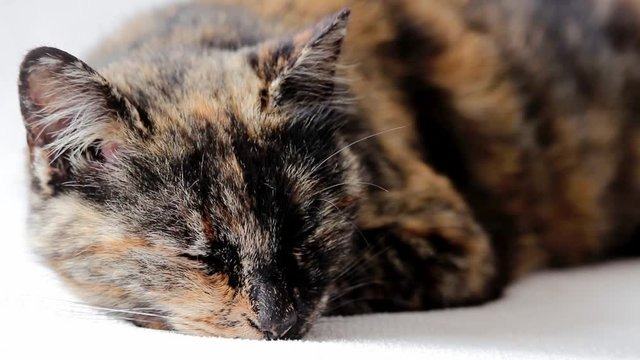
The cat cancer symptoms associated with lymphoma vary depending on the type and location of the disease. Because many of these symptoms overlap with other conditions, a veterinary evaluation with appropriate diagnostic testing is the only way to confirm what is happening.
Gastrointestinal Symptoms
Cats with intestinal lymphoma frequently show weight loss as one of the earliest and most prominent signs. This weight loss tends to be gradual but progressive, and owners often describe it as the cat looking thinner over several weeks despite a maintained or even increased appetite. Vomiting is also common, ranging from occasional to frequent, and diarrhea may be present particularly if the disease is extensive in the gut. As the condition progresses, appetite tends to decline along with energy levels.
Respiratory Symptoms
Mediastinal lymphoma or chest involvement can cause labored breathing, rapid respiratory rate, open-mouth breathing and an overall reluctance to move. The cat may prefer to sit with the neck extended in an effort to breathe more easily, similar to the posture seen in asthma. Any sudden breathing difficulty in a cat warrants immediate evaluation. For guidance on distinguishing respiratory emergencies, this resource on how to recognize and manage pet asthma attacks provides helpful context.
Swollen Lymph Nodes
Visibly or palpably enlarged lymph nodes, particularly those under the jaw, in the armpits or behind the knees, are a classic sign of multicentric lymphoma. Owners may notice these as firm lumps under the skin. Swollen lymph nodes that persist for more than a couple of weeks should always be investigated by a veterinarian.
General Signs Across All Forms
Regardless of where the lymphoma is located, many affected cats show generalized signs that reflect the systemic toll of cancer on the body. These include persistent lethargy and withdrawal from normal activity, reduced or absent appetite, unexplained weight loss, a dull and unkempt coat and general behavioral changes such as hiding or reduced interaction. These are the same general cat cancer symptoms described in the broader guide on signs of cancer emergencies in pets.
Kidney-Related Symptoms
When lymphoma involves the kidneys, cats may show excessive thirst and urination, vomiting, weakness and weight loss. These symptoms can closely mimic chronic kidney disease, and without diagnostic testing it is not possible to tell the two conditions apart on symptoms alone.
How Is Lymphoma in Cats Diagnosed?
Diagnosis of lymphoma requires more than a physical exam. Because many of its symptoms are shared with other conditions, definitive diagnosis depends on sampling affected tissue.
A fine needle aspirate involves inserting a small needle into an enlarged lymph node or mass and withdrawing cells for microscopic evaluation. This is minimally invasive and can provide useful initial information. However, a tissue biopsy, which involves removing a larger sample of tissue, is often necessary to confirm lymphoma and distinguish low-grade from high-grade disease. This distinction is clinically important because it guides treatment decisions.
Blood work helps assess overall organ function and may reveal abnormalities consistent with lymphoma such as elevated white blood cell counts or changes in protein levels. Imaging including X-rays and ultrasound helps identify the extent of disease, visualize enlarged lymph nodes or masses and evaluate organ involvement. Some cats require additional specialized testing to characterize the type of lymphocytes involved.

Treatment and Outlook for Feline Lymphoma
Treatment for lymphoma in cats is individualized based on the type, grade and location of the disease as well as the cat’s overall health and the owner’s goals. Your veterinarian will discuss the most appropriate approach after a full diagnostic workup.
Low-grade gastrointestinal lymphoma is often managed with oral medications at home and carries a relatively favorable prognosis, with many cats achieving extended periods of remission. High-grade lymphoma typically requires more intensive treatment and carries a more guarded outlook, though remission is achievable in some cases with appropriate therapy.
Palliative care focused on quality of life, appetite support, pain management and comfort is always an option and is discussed openly with owners at every stage of the disease. Regular monitoring through follow-up veterinary visits is an essential part of managing lymphoma regardless of the treatment approach chosen.
When to Seek Emergency Care
Some cats with lymphoma develop acute complications that require emergency veterinary attention. If your cat is struggling to breathe, has collapsed, is completely refusing food for more than 24 to 48 hours, has a severely distended abdomen or is showing signs of extreme weakness, do not wait for a scheduled appointment. These situations can signal rapid disease progression or a secondary complication that needs urgent management.
Understanding the impact of delayed emergency care in pets makes clear why acting quickly in these moments matters so much.
Conclusion
Lymphoma is a serious diagnosis, but it is also the most treatable of the common feline cancers when caught early and managed appropriately. Understanding what causes lymphoma in cats, which risk factors apply to your pet and which cat cancer symptoms to monitor gives you the ability to seek help at the right time rather than waiting until the disease is advanced. Feline lymphoma is not uniformly fatal, and many cats go on to have good quality of life for significant periods after diagnosis with the right care in place.
At North MS Pet Emergency, we are available after hours and throughout weekends to evaluate cats showing concerning symptoms including those associated with cancer. If your cat is showing signs that worry you, do not hesitate to reach out. Contact us for prompt emergency evaluation and support.
FAQs
Q: What is the most common cause of lymphoma in cats?
A: Feline leukemia virus infection is the most well-established risk factor, particularly in younger cats. In older cats without FeLV, chronic gastrointestinal inflammation and age-related immune changes are the most commonly associated factors. Often no single cause can be identified with certainty.
Q: Can indoor cats develop feline lymphoma?
A: Yes. While indoor cats have reduced exposure to some infectious risks, they can still develop lymphoma. Exposure to secondhand tobacco smoke indoors, aging, and chronic gastrointestinal inflammation are all risk factors that apply regardless of whether a cat lives indoors or outdoors.
Q: How quickly does lymphoma in cats progress?
A: This depends heavily on the grade and type. Low-grade intestinal lymphoma can progress slowly over months to years. High-grade or mediastinal lymphoma can advance much more rapidly, sometimes over a matter of weeks. Early diagnosis gives owners more time and more treatment options.
Q: Are the cat cancer symptoms of lymphoma different from other illnesses?
A: Many cat cancer symptoms associated with lymphoma overlap with other common conditions such as inflammatory bowel disease, kidney disease and hyperthyroidism. This is why veterinary diagnostics including blood work and biopsy are essential. Symptoms alone cannot confirm a lymphoma diagnosis.
Q: Is lymphoma in cats always fatal?
A: Not always in the short term. Low-grade gastrointestinal lymphoma in particular is associated with longer survival times and many cats achieve extended remission. High-grade forms carry a more guarded prognosis, but quality of life can still be meaningfully supported with appropriate treatment and palliative care.
Recent Posts
-
 Why Cats Suddenly Lose Use of Their Back Legs From a Blood Clot
 -
 Why Are Lilies Poisonous to Cats and How Fast Symptoms Can Appear
 -
 What Are the Signs of Pyometra in Dogs and Why It Cannot Wait
 -
 How To Recognize Warning Signs In A Pet In Pregnancy
 -
 Why Some Pet Emergencies Require Overnight Pet Care And Monitoring