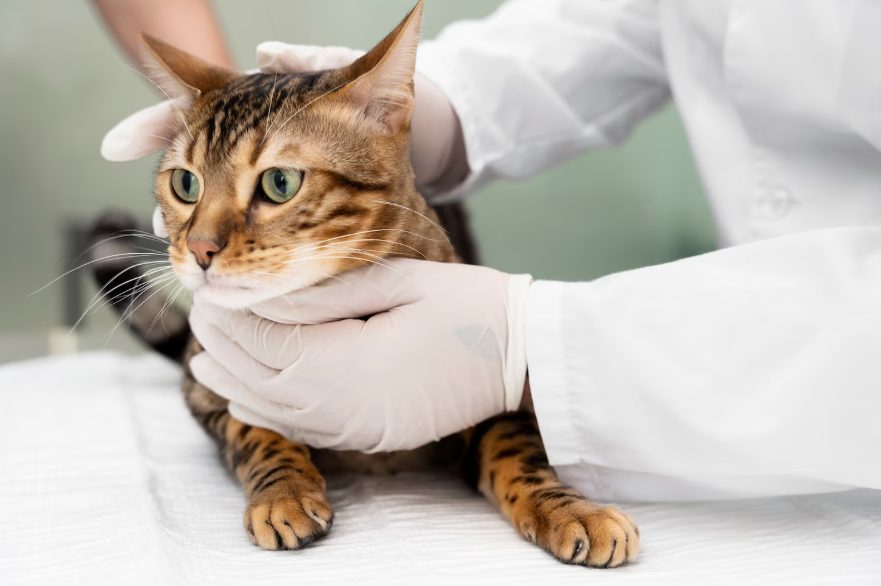
The sound of your cat purring peacefully is one of life’s simplest comforts. That’s why it can be terrifying when something suddenly seems wrong. Urinary blockage is a silent but deadly emergency that can strike quickly and become fatal in a short time. Being able to identify the symptoms of urinary blockage in cats is one of the most important responsibilities of any owner, because fast action can save your cat’s life.
Feline lower urinary tract disease (FLUTD) encompasses a range of disorders affecting a cat’s bladder and urethra. While some conditions, like a simple cat UTI, might cause discomfort, a urinary blockage represents a complete obstruction of the urethra, preventing urine from leaving the body. This build-up of toxins can quickly lead to severe pain, organ damage, and even death if not addressed promptly. Understanding the subtle yet significant changes in your cat’s behavior can make all the difference, empowering you to seek timely veterinary care and potentially save their life.
Understanding Feline Urinary Anatomy and Blockage
To grasp the severity of a urinary blockage, it helps to understand the basic anatomy involved. Cats have kidneys that filter waste from the blood, producing urine. This urine travels down the ureters to the bladder for storage, and then exits the body through the urethra. In male cats, the urethra is particularly narrow and long, making them more prone to blockages than females. However, female cats can also experience this dangerous condition.
A urinary blockage occurs when something obstructs the flow of urine through the urethra. This obstruction can be caused by various factors, leading to what is commonly referred to as a urinary tract blockage in cats. When urine cannot be expelled, toxins accumulate in the bloodstream, leading to a host of debilitating and, ultimately, fatal complications.
Why Do Blockages Occur in Cats?
Several factors contribute to the risk of urinary blockages in cats. While not always preventable, being aware of these causes can help pet owners understand the condition better and potentially implement preventative measures.
- Urethral Plugs: These are combinations of cells, mucus, protein, and crystalline material that form a blockage in the urethra. They are a common cause of feline urinary issues.
- Urinary Stones (Uroliths): Mineral deposits can form in the bladder or kidneys, and if they travel into the urethra, they can become lodged and cause an obstruction.
- Inflammation: Severe inflammation of the bladder or urethra, often due to conditions like Feline Idiopathic Cystitis (FIC), can cause swelling that effectively blocks the passage of urine, even without a physical plug or stone.
- Tumors: Although less common, tumors in the urinary tract can also lead to blockages.
- Anatomical Abnormalities: Rarely, structural issues may predispose a cat to blockages.
- Stress: Environmental stress can exacerbate conditions like FIC, indirectly increasing the risk of inflammation-induced blockages.
Critical Symptoms of Urinary Blockage in Cats
Early detection of cat urinary blockage symptoms is paramount. As a responsible pet owner, recognizing these signs means you can act quickly, which is crucial for a positive outcome. The symptoms often start subtly but can escalate rapidly, transitioning from discomfort to severe pain and potential organ failure.
Straining to Urinate (Dysuria)
This is perhaps the most classic and alarming sign. If your cat is frequently visiting the litter box, assuming the position to urinate, but producing little to no urine, it’s a huge red flag. They might exhibit:
- Prolonged squatting: Staying in the litter box for an unusually long time.
- Repeated attempts: Entering and exiting the litter box multiple times without success.
- Vocalization: Crying, howling, or meowing loudly while attempting to urinate due to pain.
Do not confuse straining to urinate with constipation, as both can cause similar postures. However, with a urinary blockage, the primary issue is the inability to pass urine, not feces. If you’re unsure, it’s always best to err on the side of caution and consult a veterinarian immediately.
Increased Frequency of Urination (Pollakiuria)
While this might seem contradictory to a blockage, cats with an incomplete obstruction or severe bladder inflammation often feel a constant urge to urinate, even if only tiny amounts come out. This can look like your cat is using the litter box much more often than usual.
Urinating Outside the Litter Box (Periuria)
An otherwise litter-trained cat suddenly urinating in inappropriate places is a significant indicator of a urinary problem. This isn’t naughtiness; it’s often a sign of pain, discomfort, or an inability to hold urine. They might associate the litter box with pain and try to relieve themselves elsewhere, such as on cool tiles, in sinks, or on bathmats. This is also a common sign of a general [cat urinary infections symptoms], but when combined with straining, it strongly suggests a blockage.
Blood in Urine (Hematuria)
You might notice a pinkish or reddish tint in your cat’s urine, especially on lighter litter. This indicates irritation, inflammation, or damage to the urinary tract. While blood in urine can be a sign of a simpler cat UTI, in the context of straining or inability to urinate, it’s particularly concerning for a blockage.
Excessive Licking of Genital Area
Cats are meticulous groomers, but if your cat is compulsively licking their genitals, it’s often an attempt to soothe pain or discomfort in that region. This self-grooming impulse can be an early warning sign that something is amiss with their urinary health.
General Discomfort and Pain
A cat with a urinary blockage is experiencing significant pain. Look for generalized signs of discomfort:
- Restlessness or agitation: Inability to find a comfortable position.
- Hiding or lethargy: A change from their usual playful or interactive self.
- Hunched posture: Often indicating abdominal pain.
- Aggression: Becoming uncharacteristically aggressive or irritable when touched, especially around the abdomen.
Abdominal Pain and Swelling
As urine backs up, the bladder can become distended and extremely painful when touched. Your cat might cry out or pull away if you gently palpate their lower abdomen. In severe cases, the abdomen may appear visibly swollen. This is a critical stage and requires immediate emergency care.
Vomiting and Loss of Appetite
When toxins like urea and creatinine accumulate in the bloodstream due to the inability to excrete urine, it causes a condition called uremia. This can lead to systemic illness, resulting in:
- Nausea and vomiting: As the body tries to rid itself of toxins.
- Anorexia: Refusal to eat or drink.
- Dehydration: Due to vomiting and lack of fluid intake, which can be further complicated by the underlying urinary issue. Learn more about how to handle severe dehydration in pets.
Lethargy and Weakness
As the cat’s condition worsens, they will become increasingly weak and lethargic. They may be unwilling to move, appear disoriented, or even collapse. This is a dire sign indicating that the toxins are severely affecting their organ function and central nervous system. At this point, the cat is in a life-threatening crisis and requires immediate emergency veterinary intervention.
When to Seek Emergency Veterinary Care
A urinary blockage in cats is a critical emergency. If you observe any of the above symptoms of urinary blockage in cats, especially straining to urinate with little to no urine production, consider it an immediate veterinary emergency. Do not wait to see if your cat improves, as the situation can rapidly turn fatal. Every hour counts in these cases.
At North MS Pet Emergency, we understand that emergencies don’t follow a schedule. Pet emergency signs every pet owner should know highlights numerous situations requiring urgent care, and a urinary blockage is high on that list. Our emergency veterinarians are available for urgent treatment, overnight ICU services, and advanced diagnostics when your regular vet is closed. The impact of delayed emergency care in cases like urinary blockages can be severe, so swift action is crucial.
What to Expect at the Emergency Vet
When you arrive at the emergency clinic, the veterinary team will prioritize your cat’s condition. They will perform an emergency triage to assess the severity of the blockage and the cat’s overall health. This usually involves:
- Physical Examination: Gently palpating the abdomen to feel for a distended bladder, which can be very painful.
- Urinalysis and Blood Work: To check for signs of infection, inflammation, crystal formation, and to assess kidney function and electrolyte balance, which can be severely affected by a blockage.
- Radiographs (X-rays) or Ultrasound: To visualize the bladder, urethra, and look for stones or other obstructions.
If a blockage is confirmed, the immediate goal is to relieve the obstruction. This typically involves placing a urinary catheter, often under sedation or anesthesia, to unblock the urethra and allow urine to flow out. Once the catheter is in place, it may be kept there for a few days to allow the urethra to heal and minimize inflammation. Your cat will likely receive intravenous fluids to help flush out toxins and correct electrolyte imbalances, as well as pain relief and anti-inflammatory medications.
Continuous monitoring in an ICU setting is vital during recovery. We offer specialized overnight weekend ICU services for pets requiring intensive care and constant supervision, ensuring comprehensive support during this critical time.
Preventing Future Urinary Blockages
While not all urinary blockages can be prevented, especially those related to genetics or idiopathic cystitis, there are steps pet owners can take to support their cat’s urinary health and potentially reduce the risk of recurrence:
- Increase Water Intake: Hydration is key. Encourage drinking by providing fresh, clean water in multiple locations, using ceramic or stainless steel bowls, and considering a pet water fountain. Feeding wet food significantly increases water intake compared to dry kibble.
- Dietary Management: Your veterinarian may recommend a prescription diet designed to promote urinary health, which can help prevent crystal formation and maintain appropriate urine pH.
- Stress Reduction: Minimize stressors in your cat’s environment. This can include providing multiple litter boxes in quiet areas, ensuring consistent feeding schedules, offering vertical spaces for climbing, and engaging in regular playtime. How to help your pet recover from a traumatic event can also provide useful insights into stress management.
- Litter Box Hygiene: Keep litter boxes meticulously clean. Cats are fastidious, and a dirty litter box can deter them from urinating, leading to retention and increased risk of issues.
- Regular Veterinary Check-ups: Routine visits allow your veterinarian to monitor your cat’s overall health and catch potential issues early. Discuss any changes in urination habits during these visits.
Conclusion
Recognizing what are the symptoms of urinary blockage in cats is a crucial part of responsible pet ownership. This severe condition requires immediate veterinary intervention to prevent life-threatening complications. From straining in the litter box to lethargy and vomiting, each sign points to a feline emergency that cannot wait. By being vigilant and acting quickly, you provide your beloved companion the best chance at a full recovery.
If you observe any cat urinary blockage symptoms or suspect a urinary tract blockage in cats, do not hesitate. Contact us immediately. At North MS Pet Emergency, our dedicated team is ready to provide compassionate and expert emergency veterinary care around the clock. Your pet’s well-being is our top priority, and we are here to help when they need us most.
FAQs
Q: What are the most common signs of a urinary blockage in a male cat?
A: Common signs include frequent attempts to urinate with little or no urine produced, straining, vocalizing in pain, and licking the genital area excessively. You might also observe lethargy and a loss of appetite.
Q: How quickly can a urinary blockage become life-threatening for a cat?
A: A urinary blockage can become life-threatening very quickly, often within 24 to 48 hours. If left untreated, it can lead to kidney failure, bladder rupture, and a buildup of toxins in the blood, which is a medical emergency.
Q: Can a female cat get a urinary blockage?
A: While less common than in male cats due to their wider urethra, female cats can still experience urinary blockages. Causes can include bladder stones, urinary tract infections, or sometimes even tumors.
Q: What should I do if I suspect my cat has a urinary blockage?
A: If you suspect a urinary blockage, seek immediate veterinary attention. This is a critical emergency, and delaying treatment can have severe, even fatal, consequences for your cat.
Q: Are there any home remedies for a cat’s urinary blockage?
A: There are no safe or effective home remedies for a urinary blockage in cats. This condition requires immediate professional veterinary intervention, as it’s a life-threatening emergency.
Recent Posts
-
 Why Are Lilies Poisonous to Cats and How Fast Symptoms Can Appear
 -
 What Are the Signs of Pyometra in Dogs and Why It Cannot Wait
 -
 How To Recognize Warning Signs In A Pet In Pregnancy
 -
 Why Some Pet Emergencies Require Overnight Pet Care And Monitoring
 -
 Understanding Tumor Removal Surgery for Pets and What It Involves